
 EN
EN

Selecting the appropriate copperplate paper label for high-volume retail packaging operations requires careful consideration of multiple factors that directly impact both product presentation and operational efficiency. Modern retail environments demand labels that not only convey essential product information clearly but also withstand the rigorous handling processes typical in large-scale distribution networks. The choice of copperplate paper label can significantly influence brand perception, customer engagement, and overall packaging success rates across diverse retail channels.
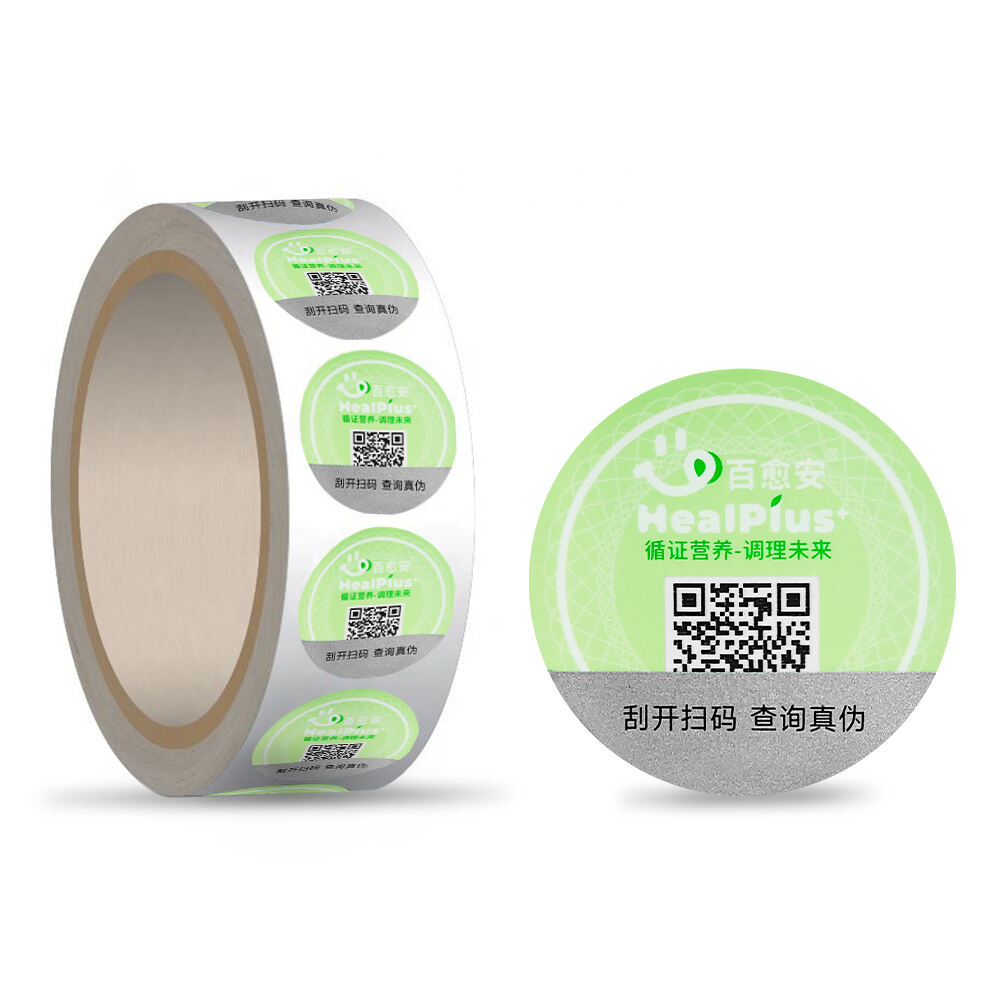
Understanding the fundamental properties of copperplate paper materials becomes crucial when evaluating options for retail packaging applications. This specialized paper substrate offers unique characteristics that distinguish it from conventional labeling materials, particularly in terms of print quality reception and adhesive compatibility. The smooth surface texture of copperplate paper enables superior ink absorption and color reproduction, making it an ideal choice for brands seeking high-quality visual presentation in competitive retail environments.
Material Properties and Performance Characteristics
Surface Quality and Print Reception
The distinctive surface characteristics of copperplate paper label materials contribute significantly to their superior performance in high-volume printing applications. The calendered surface treatment creates an exceptionally smooth substrate that facilitates uniform ink distribution and enhances color vibrancy across various printing technologies. This surface quality becomes particularly important when producing labels that require fine detail reproduction or complex graphic elements that must maintain clarity throughout the packaging lifecycle.
Professional print shops and packaging facilities often prefer copperplate paper label substrates because they accommodate both digital and offset printing processes with consistent results. The material's ability to accept various ink formulations while maintaining dimensional stability during printing runs makes it highly suitable for large-scale production environments where consistency and efficiency are paramount.
Durability and Environmental Resistance
Evaluating the durability characteristics of copperplate paper label options becomes essential when considering their performance in retail environments. These labels must withstand exposure to varying humidity levels, temperature fluctuations, and mechanical stress encountered during transportation and shelf placement. The inherent strength of quality copperplate paper provides adequate resistance to tearing and edge damage while maintaining label integrity throughout the supply chain.
Environmental resistance factors include moisture tolerance, UV stability, and chemical compatibility with common cleaning agents used in retail settings. High-quality copperplate paper label materials often incorporate protective coatings or treatments that enhance their resistance to environmental stressors without compromising print quality or adhesive performance.
Adhesive System Selection and Compatibility
Permanent versus Removable Adhesives
The adhesive system chosen for copperplate paper label applications must align with specific packaging requirements and end-user expectations. Permanent adhesives provide strong, lasting bonds suitable for primary product labels that remain attached throughout the product lifecycle. These adhesive formulations typically offer excellent initial tack and building strength characteristics that ensure reliable adhesion across diverse surface materials commonly used in retail packaging.
Removable adhesive systems present alternative solutions for applications requiring clean removal capabilities, such as promotional labels or temporary product identification. The selection between permanent and removable adhesives depends largely on the intended label function, substrate materials, and customer requirements for label removal or repositioning capabilities.
Substrate Compatibility Considerations
Ensuring optimal adhesive compatibility between the copperplate paper label and target packaging surfaces requires thorough evaluation of surface energy characteristics and potential interaction effects. Different packaging materials, including plastic films, corrugated cardboard, and metal surfaces, present varying degrees of adhesion challenges that must be addressed through appropriate adhesive selection.
Testing protocols should verify adhesive performance across anticipated temperature ranges and environmental conditions typical in retail distribution networks. This evaluation process helps ensure consistent label performance regardless of seasonal variations or regional climate differences that might affect adhesive behavior.
Size and Format Optimization for Retail Applications
Standard Sizing Conventions
Selecting appropriate dimensions for copperplate paper label applications involves balancing information density requirements with visual impact objectives. Standard sizing conventions in retail packaging often follow established industry guidelines that optimize shelf presentation while accommodating regulatory labeling requirements. Common size ranges include compact formats for small product packaging and larger formats suitable for bulk packaging applications.
The relationship between label size and information hierarchy becomes particularly important when designing copperplate paper label layouts that must communicate multiple message elements effectively. Proper size selection ensures adequate space for brand identity elements, product information, and regulatory compliance text while maintaining visual clarity and readability from typical viewing distances.
Custom Formatting Solutions
Custom formatting approaches for copperplate paper label applications enable brands to differentiate their products through unique shapes, sizes, or configurations that align with specific marketing objectives. Die-cutting capabilities allow for creative label shapes that complement product packaging geometry while maintaining the functional benefits of copperplate paper substrates.
Variable data printing capabilities enable custom formatting solutions that incorporate individualized information elements, such as batch codes, expiration dates, or promotional codes, directly into the copperplate paper label design. This customization approach supports both operational efficiency and brand differentiation strategies in competitive retail environments.
Production Volume Considerations and Cost Optimization
Economies of Scale in Large Volume Orders
High-volume copperplate paper label production offers significant cost advantages through economies of scale that benefit both manufacturers and end-users. Large production runs typically result in reduced per-unit costs for materials, printing, and finishing operations, making copperplate paper label solutions more economically viable for major retail packaging applications.
Establishing minimum order quantities that align with inventory management capabilities while maximizing cost benefits requires careful planning and coordination between packaging teams and label suppliers. Strategic ordering approaches can optimize both cost efficiency and inventory carrying costs while ensuring adequate label supplies for consistent production schedules.
Quality Control and Consistency Standards
Maintaining consistent quality standards across large-volume copperplate paper label production runs requires comprehensive quality control protocols and regular monitoring procedures. These standards encompass print quality assessment, adhesive performance verification, and dimensional accuracy validation to ensure every label meets specified performance criteria.
Statistical process control methods help identify potential quality variations early in production runs, enabling corrective actions that maintain overall batch consistency. Regular quality audits and performance testing ensure copperplate paper label products continue meeting established specifications throughout extended production campaigns.
Application Methods and Equipment Compatibility
Manual Application Considerations
Manual application methods for copperplate paper label installation require consideration of user-friendly characteristics that facilitate efficient and accurate placement. The surface properties of copperplate paper contribute to smooth release from carrier liners while providing adequate handling time for precise positioning before final adhesion occurs.
Training requirements for manual application procedures should address proper handling techniques, environmental conditions, and quality verification methods that ensure consistent application results across different operators and work environments. Clear application guidelines help minimize waste and rework while maximizing productivity in manual labeling operations.
Automated Application Systems
Automated labeling equipment compatibility represents a critical factor when selecting copperplate paper label materials for high-volume retail packaging operations. The dimensional stability and consistent thickness characteristics of quality copperplate paper enable reliable feeding and application performance across various automated labeling systems.
System compatibility testing should verify proper label feeding, positioning accuracy, and application force requirements to ensure optimal performance throughout production runs. Regular maintenance protocols and performance monitoring help maintain consistent application quality while minimizing equipment downtime and production interruptions.
Storage and Handling Best Practices
Environmental Storage Requirements
Proper storage conditions for copperplate paper label inventory play a crucial role in maintaining material quality and performance characteristics throughout extended storage periods. Temperature and humidity control requirements help prevent adhesive migration, dimensional changes, and print quality degradation that could affect label performance during application and use.
Storage facility specifications should include appropriate shelving systems, environmental monitoring equipment, and inventory rotation procedures that ensure first-in, first-out usage patterns. These practices help maintain copperplate paper label quality while minimizing waste due to storage-related deterioration or performance degradation.
Inventory Management Strategies
Effective inventory management approaches for copperplate paper label supplies balance carrying cost optimization with production continuity requirements. Strategic inventory planning considers seasonal demand variations, supplier lead times, and production schedule requirements to maintain adequate stock levels without excessive carrying costs.
Just-in-time delivery arrangements with reliable suppliers can reduce inventory carrying requirements while ensuring timely availability of copperplate paper label materials for scheduled production runs. These arrangements require strong supplier relationships and effective communication protocols to coordinate delivery schedules with production requirements.
FAQ
What makes copperplate paper labels suitable for high-volume retail packaging applications?
Copperplate paper labels offer excellent print quality reception, dimensional stability, and cost-effectiveness for large-scale production runs. Their smooth surface texture enables superior ink absorption and color reproduction, while their structural integrity withstands the handling demands typical in retail distribution networks. The material's compatibility with various printing technologies and adhesive systems makes it highly versatile for diverse packaging applications.
How do I determine the correct adhesive strength for my copperplate paper label application?
Adhesive strength selection depends on the target substrate material, environmental conditions, and intended label permanence requirements. Testing protocols should evaluate initial tack, building strength, and long-term adhesion performance under anticipated storage and handling conditions. Consider factors such as substrate surface energy, temperature variations, and humidity exposure when selecting between permanent and removable adhesive options.
What quality control measures ensure consistent copperplate paper label performance?
Comprehensive quality control programs include incoming material inspection, process monitoring during production, and finished product testing. Key parameters include print quality assessment, adhesive performance verification, dimensional accuracy validation, and environmental resistance testing. Statistical process control methods help identify variations early, while regular audits ensure continued compliance with established specifications throughout production runs.
How can I optimize costs when ordering copperplate paper labels in large volumes?
Cost optimization strategies include consolidating orders to achieve volume discounts, establishing strategic supplier partnerships, and implementing efficient inventory management practices. Consider standardizing label sizes and specifications across product lines to maximize volume benefits, while evaluating total cost of ownership including storage, handling, and waste factors. Long-term supply agreements can provide price stability and ensure consistent material availability for ongoing production requirements.
Table of Contents
- Material Properties and Performance Characteristics
- Adhesive System Selection and Compatibility
- Size and Format Optimization for Retail Applications
- Production Volume Considerations and Cost Optimization
- Application Methods and Equipment Compatibility
- Storage and Handling Best Practices
-
FAQ
- What makes copperplate paper labels suitable for high-volume retail packaging applications?
- How do I determine the correct adhesive strength for my copperplate paper label application?
- What quality control measures ensure consistent copperplate paper label performance?
- How can I optimize costs when ordering copperplate paper labels in large volumes?