
 EN
EN
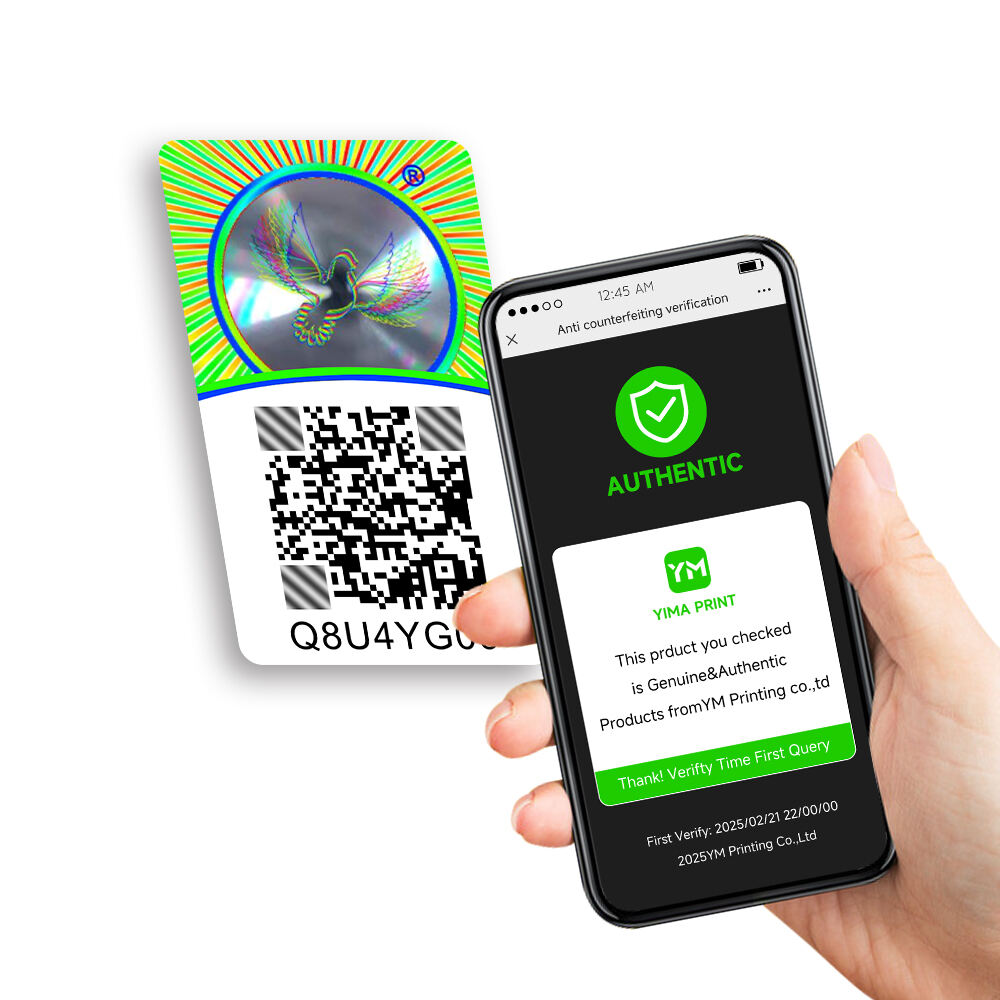
Businesses seeking reliable anti-counterfeiting solutions increasingly turn to professional hologram sticker suppliers to protect their brand integrity and consumer trust. A qualified wholesale hologram sticker supplier provides specialized security labels that combine advanced optical technology with tamper-evident features, creating multi-layered protection against product forgery and unauthorized distribution.
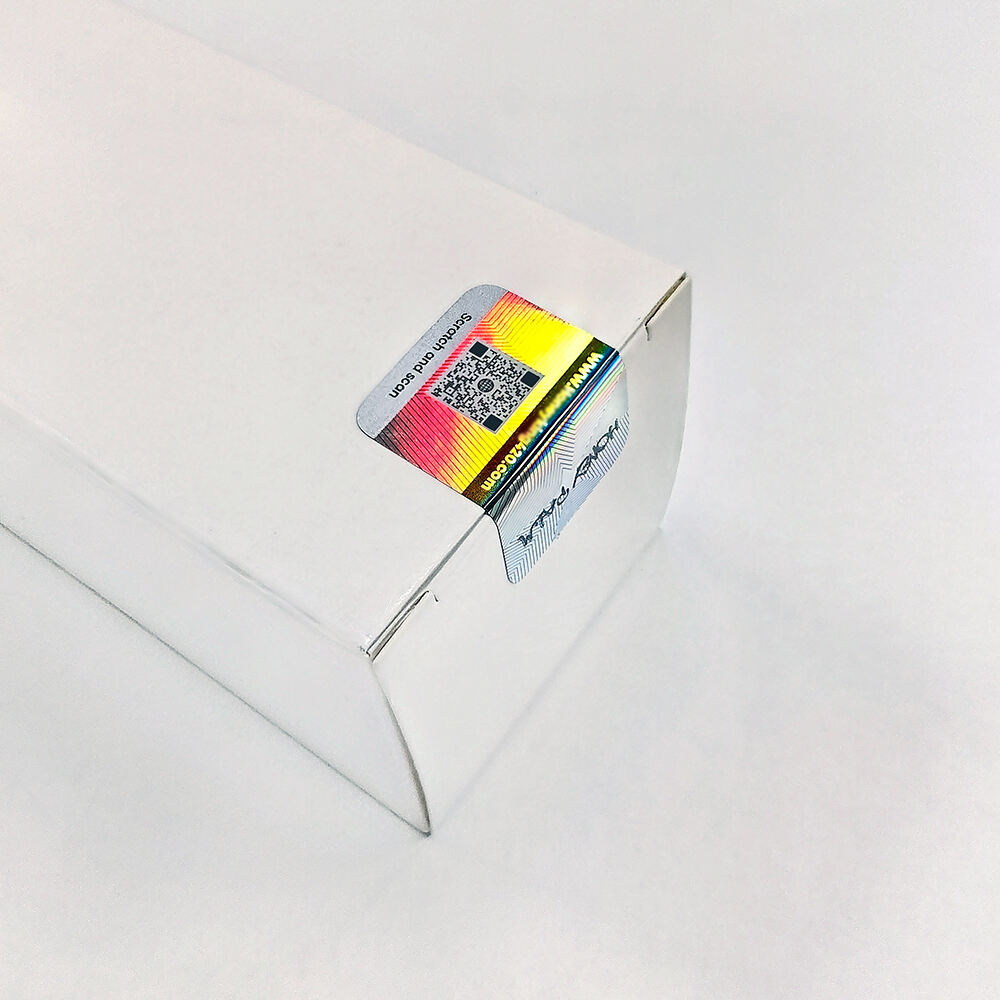
The selection of an appropriate hologram sticker supplier determines the effectiveness of your brand security strategy, requiring careful evaluation of manufacturing capabilities, customization options, and compliance standards. Understanding the key factors that distinguish professional suppliers from generic providers enables informed procurement decisions that align with specific security requirements and budget considerations.
Core Capabilities of Professional Hologram Sticker Suppliers
Manufacturing Technology and Equipment Standards
A competent hologram sticker supplier operates with specialized holographic printing equipment that produces authentic security features through precise optical manipulation. The manufacturing process involves electron beam lithography, electroforming, and embossing technologies that create unique light diffraction patterns impossible to replicate using standard printing methods.
Professional suppliers maintain cleanroom environments and quality control protocols that ensure consistent holographic effects across large production runs. The technical infrastructure includes master origination equipment, nickel shim production capabilities, and hot stamping or adhesive application systems that deliver uniform security performance.
Advanced hologram sticker supplier facilities incorporate multi-layer security elements such as micro-text, sequential numbering, and color-shifting inks that provide multiple authentication points for verification personnel and consumers.
Customization and Design Flexibility
Established suppliers offer comprehensive customization services that integrate brand-specific elements into holographic security labels. Design capabilities encompass logo incorporation, custom color schemes, unique holographic patterns, and variable data printing that supports serialization and tracking requirements.
The customization process typically involves artwork consultation, prototype development, and approval cycles that ensure final products meet exact brand specifications. Professional suppliers provide design templates and technical guidance that optimize holographic effects while maintaining brand consistency.
Flexibility extends to substrate options, adhesive formulations, and finishing techniques that accommodate diverse packaging materials and application environments. This adaptability enables suppliers to serve multiple industries with varying security and aesthetic requirements.
Quality Standards and Security Features
Authentication Technology Integration
Leading hologram sticker suppliers integrate multiple authentication technologies that create layered security systems resistant to sophisticated counterfeiting attempts. Primary security features include rainbow holographic effects, micro-printing, and tamper-evident properties that show clear evidence of removal attempts.
Secondary security elements often incorporate covert features such as UV-reactive inks, magnetic elements, or digital watermarks that require specialized equipment for verification. These hidden authentication methods provide additional protection layers that remain undetectable to counterfeiters while offering reliable verification for authorized personnel.
Advanced suppliers offer smart authentication solutions that combine traditional holographic security with QR codes, NFC chips, or blockchain verification systems. This technology integration enables real-time authentication and supply chain tracking that enhances overall brand protection strategies.
Compliance and Certification Standards
Professional hologram sticker suppliers maintain certifications that demonstrate compliance with international security standards and regulatory requirements. ISO 9001 quality management certification ensures consistent production processes, while specialized security certifications validate the effectiveness of anti-counterfeiting features.
Regulatory compliance encompasses material safety standards, environmental regulations, and industry-specific requirements such as pharmaceutical serialization or food safety labeling. Suppliers must demonstrate adherence to these standards through documentation, testing protocols, and audit procedures.
Quality assurance programs include incoming material inspection, in-process monitoring, and final product testing that verify holographic performance, adhesive strength, and durability characteristics. These systematic quality controls ensure reliable security performance across diverse application environments.
Supplier Evaluation and Selection Criteria
Production Capacity and Scalability
Evaluating a hologram sticker supplier requires assessment of production capacity relative to projected volume requirements and growth expectations. Established suppliers demonstrate scalability through multiple production lines, flexible scheduling capabilities, and inventory management systems that support just-in-time delivery or bulk storage options.
Production planning capabilities include lead time management, rush order accommodation, and seasonal demand fluctuation handling that align with customer business cycles. Suppliers should provide transparent capacity information and realistic delivery commitments based on current workload and equipment availability.
Geographic considerations affect delivery logistics, customs requirements, and communication efficiency. Regional suppliers may offer advantages in responsiveness and cultural understanding, while international suppliers might provide cost benefits or specialized technology access.
Technical Support and Service Level
Comprehensive technical support distinguishes professional hologram sticker suppliers from commodity providers through pre-sales consultation, application guidance, and ongoing troubleshooting assistance. Expert support teams provide material selection advice, application training, and performance optimization recommendations.
Service level agreements should specify response times, replacement policies, and quality guarantee terms that protect customer interests throughout the business relationship. Clear communication protocols and dedicated account management enhance collaboration and issue resolution efficiency.
Value-added services such as inventory management, automated reordering, and usage analytics provide operational benefits that justify supplier selection beyond basic price considerations. These services reduce administrative burden and optimize supply chain efficiency.
Cost Structure and Value Analysis
Pricing Models and Cost Components
Understanding hologram sticker supplier pricing structures enables accurate cost comparison and budget planning for security labeling programs. Primary cost components include tooling charges, material costs, printing setup fees, and volume-based pricing tiers that affect total project economics.
Tooling investments for custom holographic masters represent significant upfront costs that amortize across production volumes, making higher quantities more cost-effective per unit. Suppliers should provide transparent tooling cost estimates and ownership terms that protect customer investments.
Variable pricing elements include material specifications, security feature complexity, customization requirements, and delivery urgency that influence final unit costs. Professional hologram sticker supplier relationships provide detailed cost breakdowns that support informed decision-making and budget optimization.
Total Cost of Ownership Considerations
Comprehensive cost analysis extends beyond unit pricing to include application labor, quality control efforts, replacement costs, and potential brand damage from security failures. Reliable suppliers reduce total ownership costs through consistent quality, technical support, and warranty coverage.
Long-term value considerations include supplier financial stability, technology advancement capabilities, and relationship continuity that support ongoing business requirements. Established suppliers invest in research and development that provides access to emerging security technologies and improved cost efficiency over time.
Risk mitigation value includes supply chain reliability, quality consistency, and technical support availability that reduce operational disruptions and maintain security program effectiveness. These factors justify premium pricing for suppliers that demonstrate superior reliability and service quality.
Implementation and Partnership Development
Pilot Program and Testing Protocols
Successful hologram sticker supplier relationships begin with structured pilot programs that validate security performance, application compatibility, and operational integration requirements. Testing protocols should evaluate holographic quality, adhesive performance, environmental resistance, and authentication effectiveness under realistic conditions.
Field testing encompasses application procedures, verification training, and consumer response assessment that identifies potential issues before full-scale implementation. Pilot programs provide valuable feedback for design refinement and process optimization that improves long-term program success.
Performance metrics should include application success rates, authentication accuracy, tamper evidence effectiveness, and durability testing results that demonstrate security program value. Documentation of pilot results supports internal approval processes and establishes baseline performance expectations.
Supply Chain Integration and Management
Effective integration with hologram sticker suppliers requires coordination of ordering processes, inventory management, and quality control procedures that align with existing operational workflows. Electronic ordering systems, automated inventory alerts, and standardized quality specifications streamline ongoing management requirements.
Supply chain visibility includes production status tracking, delivery scheduling, and quality documentation that support planning and compliance requirements. Professional suppliers provide real-time information access through web portals or integrated systems that enhance operational transparency.
Relationship management encompasses regular performance reviews, continuous improvement initiatives, and strategic planning sessions that optimize security program effectiveness and cost efficiency. These partnerships evolve to address changing security threats and business requirements over time.
FAQ
What minimum order quantities do hologram sticker suppliers typically require?
Most professional hologram sticker suppliers establish minimum order quantities between 10,000 to 50,000 units due to tooling setup costs and production efficiency requirements. Custom holographic masters require significant investment that makes smaller quantities economically impractical. Some suppliers offer lower minimums for standard designs or accept higher per-unit pricing for smaller runs.
How long does the typical production lead time take for custom hologram stickers?
Production lead times vary from 2-3 weeks for standard designs using existing tooling to 6-8 weeks for completely custom holographic masters requiring new origination work. Complex security features, multiple authentication elements, or specialized materials may extend lead times. Rush orders are possible with premium pricing and depend on current production capacity.
What security features differentiate authentic hologram stickers from counterfeit versions?
Genuine hologram stickers display precise optical effects including rainbow patterns, depth illusions, and movement characteristics that require specialized manufacturing equipment to produce. Professional suppliers incorporate multiple authentication layers such as micro-text, color-shifting elements, tamper-evident properties, and unique serial numbering that create virtually impossible counterfeiting challenges for unauthorized producers.
How do I verify the reliability and credentials of potential hologram sticker suppliers?
Reliable supplier verification includes reviewing ISO certifications, security industry memberships, client references, and facility audit reports. Request production samples, visit manufacturing facilities if possible, and evaluate technical support capabilities. Professional suppliers provide transparent documentation about capabilities, certifications, and quality control processes while offering detailed proposals that demonstrate understanding of your security requirements.
Table of Contents
- Core Capabilities of Professional Hologram Sticker Suppliers
- Quality Standards and Security Features
- Supplier Evaluation and Selection Criteria
- Cost Structure and Value Analysis
- Implementation and Partnership Development
-
FAQ
- What minimum order quantities do hologram sticker suppliers typically require?
- How long does the typical production lead time take for custom hologram stickers?
- What security features differentiate authentic hologram stickers from counterfeit versions?
- How do I verify the reliability and credentials of potential hologram sticker suppliers?