
 EN
EN
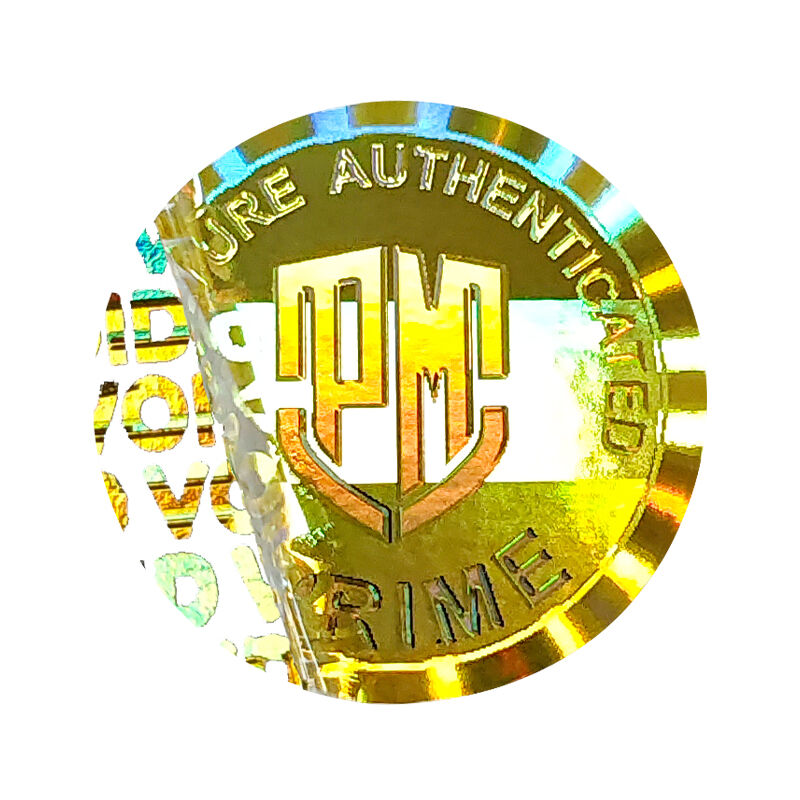
In today's global marketplace, counterfeit products pose a significant threat to brand integrity and consumer safety. Brand owners worldwide are increasingly turning to sophisticated security measures to protect their products and maintain customer trust. Among the most effective solutions available, anti-counterfeit sticker technology has emerged as a cornerstone of modern brand protection strategies. These advanced security labels combine multiple layers of protection to create virtually impossible-to-replicate authentication systems that safeguard both brands and consumers.
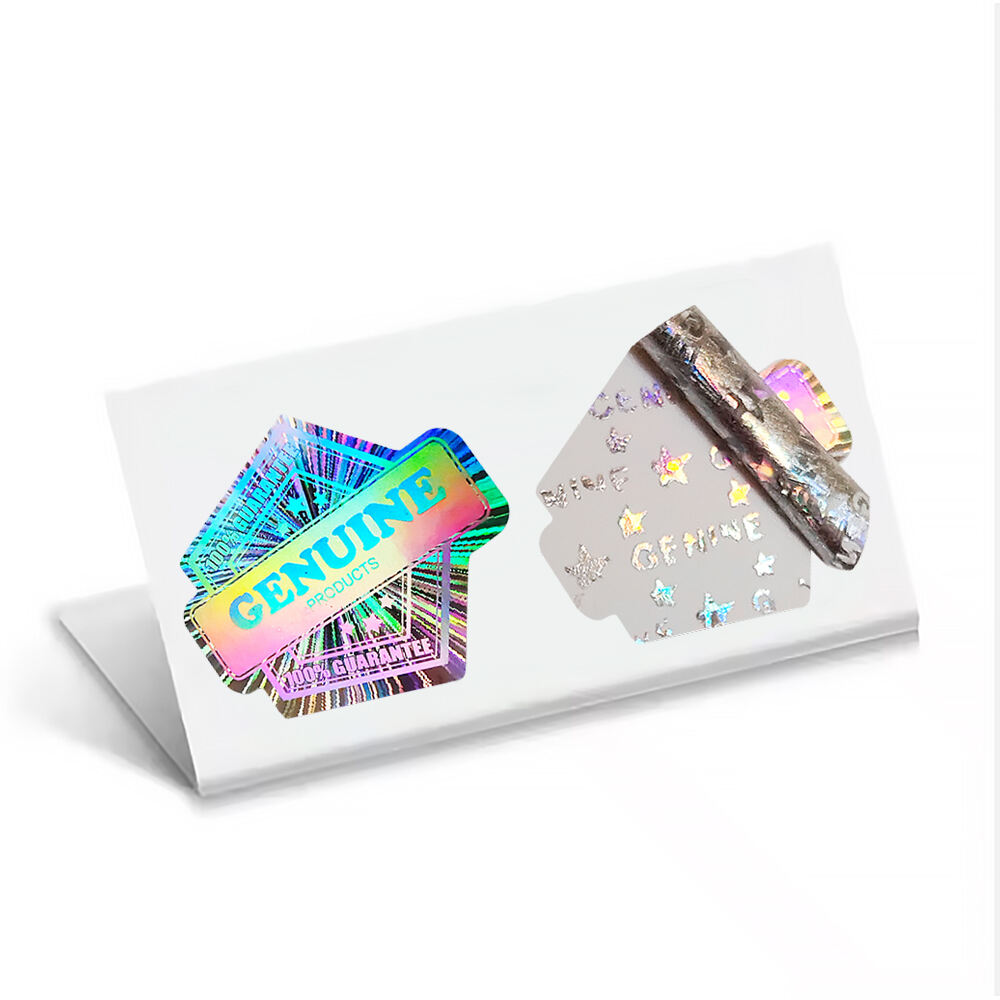
The sophistication of modern counterfeiting operations requires equally advanced defensive measures. Traditional security features alone are no longer sufficient to deter determined counterfeiters who have access to increasingly sophisticated reproduction technologies. This evolution in the counterfeiting landscape has driven innovation in security labeling, resulting in multi-layered authentication systems that combine visible and covert security elements to create comprehensive protection solutions.
Understanding Multi-Layer Security Technology
Holographic Elements and Visual Authentication
The foundation of effective anti-counterfeit sticker technology lies in its holographic components, which create distinctive visual elements that are extremely difficult to replicate accurately. These holographic features utilize advanced optical technologies to produce three-dimensional images, rainbow effects, and dynamic visual patterns that change appearance when viewed from different angles. The complexity of these optical elements requires specialized equipment and expertise that is typically beyond the reach of most counterfeiting operations.
Modern holographic anti-counterfeit sticker designs incorporate multiple layers of optical security, including microtext, hidden images, and color-shifting elements that provide immediate visual verification for both consumers and brand protection teams. These features are designed to be easily recognizable by authentic product users while remaining challenging for counterfeiters to reproduce with sufficient accuracy to deceive informed consumers.
Tamper-Evident Properties and Physical Security
Beyond visual authentication, effective anti-counterfeit sticker solutions incorporate tamper-evident properties that provide clear indication of any attempt to remove or manipulate the security label. These features typically include destructible substrates that fragment when removal is attempted, leaving behind clear evidence of tampering that cannot be concealed or reversed.
The physical construction of these security labels utilizes specialized adhesives and substrate materials engineered to bond permanently with the product surface. This permanent bonding ensures that any attempt to transfer an authentic anti-counterfeit sticker from a genuine product to a counterfeit item will result in visible damage that immediately alerts consumers and investigators to the tampering attempt.
Advanced Manufacturing Processes and Quality Control
Precision Production Techniques
The manufacturing of high-quality anti-counterfeit sticker products requires precision production techniques that ensure consistent quality and security across every label produced. Advanced manufacturing facilities utilize controlled environments and specialized equipment to create security features with microscopic precision, ensuring that each element of the security design functions as intended.
Quality control processes in anti-counterfeit sticker manufacturing involve multiple inspection stages, from raw material verification to final product testing. These comprehensive quality assurance procedures ensure that every security label meets strict performance standards and provides reliable protection throughout its intended lifespan.
Customization and Brand Integration
Effective brand protection requires security solutions that integrate seamlessly with existing product packaging and brand aesthetics. Modern anti-counterfeit sticker technology offers extensive customization options that allow brands to incorporate their logos, colors, and design elements while maintaining the integrity of the security features.
The customization process involves careful coordination between security experts and brand design teams to ensure that aesthetic requirements do not compromise security effectiveness. This collaborative approach results in anti-counterfeit sticker solutions that enhance brand presentation while providing robust protection against counterfeiting attempts.
Implementation Strategies for Maximum Effectiveness
Strategic Placement and Application
The effectiveness of any anti-counterfeit sticker system depends heavily on proper placement and application strategies. Security experts recommend positioning these labels in locations that are visible to consumers during normal product use while remaining difficult for counterfeiters to access for replication purposes. Common placement strategies include integration with product seals, incorporation into packaging design, or application to critical product components.
Proper application techniques ensure that anti-counterfeit sticker labels adhere correctly and function as designed throughout the product lifecycle. Training programs for manufacturing and packaging personnel help ensure consistent application quality and maximize the security benefits of these advanced protection systems.
Consumer Education and Awareness Programs
The success of anti-counterfeit sticker protection systems relies significantly on consumer awareness and understanding of the security features. Effective implementation strategies include comprehensive consumer education programs that teach customers how to identify and verify authentic security labels on their products.
These education initiatives typically include detailed guides, video demonstrations, and interactive tools that help consumers recognize the distinctive features of genuine anti-counterfeit sticker labels. By empowering consumers with knowledge about security features, brands create an additional layer of protection through informed customer participation in the authentication process.
Technology Integration and Digital Enhancement
Smart Technology Integration
Modern anti-counterfeit sticker solutions increasingly incorporate digital technologies that enhance traditional physical security features. These integrated systems may include QR codes, NFC chips, or other digital elements that provide additional layers of authentication through smartphone apps or online verification systems.
The integration of digital technologies with physical anti-counterfeit sticker elements creates comprehensive authentication systems that are extremely difficult for counterfeiters to replicate completely. These hybrid solutions provide multiple verification pathways that increase security effectiveness while improving user experience through convenient digital authentication options.
Data Analytics and Tracking Capabilities
Advanced anti-counterfeit sticker systems often include tracking capabilities that provide valuable data about product distribution, authentication attempts, and potential security threats. This data collection enables brands to monitor their protection systems' effectiveness and identify emerging counterfeiting trends or geographical risk areas.
Analytics platforms associated with these security systems can track authentication patterns, identify suspicious activity, and provide actionable intelligence for brand protection teams. This data-driven approach to security management enables proactive responses to emerging threats and continuous improvement of anti-counterfeit sticker effectiveness.
Industry Applications and Success Stories
Pharmaceutical and Healthcare Applications
The pharmaceutical industry represents one of the most critical applications for anti-counterfeit sticker technology, where product authenticity directly impacts patient safety and treatment effectiveness. Healthcare products protected by advanced security labels help ensure that patients receive genuine medications and medical devices, reducing the risk of adverse reactions or treatment failures associated with counterfeit products.
Implementation of anti-counterfeit sticker systems in pharmaceutical applications often involves coordination with regulatory agencies and compliance with strict industry standards. These specialized applications demonstrate the versatility and reliability of modern security labeling technology in protecting products where authenticity is literally a matter of life and death.
Luxury Goods and Premium Brand Protection
Luxury and premium brands utilize sophisticated anti-counterfeit sticker solutions to maintain brand exclusivity and protect their reputation for quality and authenticity. These applications often emphasize aesthetic integration, ensuring that security features enhance rather than detract from the premium product experience.
The success of anti-counterfeit sticker implementation in luxury markets demonstrates the technology's ability to provide robust security while meeting the highest standards for visual appeal and brand integration. These applications often serve as showcases for the most advanced security features and customization capabilities available in modern protection systems.
Future Developments and Emerging Technologies
Next-Generation Security Features
The evolution of anti-counterfeit sticker technology continues with the development of increasingly sophisticated security features that stay ahead of counterfeiting capabilities. Emerging technologies include advanced nanotechnology applications, blockchain integration, and artificial intelligence-powered authentication systems that promise even greater security effectiveness.
Research and development efforts in the security labeling industry focus on creating features that are not only difficult to counterfeit but also easier for legitimate users to authenticate. This dual focus on security enhancement and user experience improvement drives continuous innovation in anti-counterfeit sticker design and functionality.
Sustainability and Environmental Considerations
Modern anti-counterfeit sticker development increasingly incorporates environmental sustainability considerations, utilizing eco-friendly materials and production processes that minimize environmental impact. These sustainable approaches ensure that brand protection measures align with corporate environmental responsibility goals.
The development of biodegradable and recyclable anti-counterfeit sticker materials demonstrates the industry's commitment to environmental stewardship while maintaining the highest standards for security effectiveness. These innovations ensure that brand protection strategies remain viable and responsible in an increasingly environmentally conscious marketplace.
FAQ
How do multi-layer holographic anti-counterfeit stickers prevent replication
Multi-layer holographic anti-counterfeit stickers prevent replication through the combination of multiple complex optical elements that require specialized equipment and expertise to reproduce accurately. The holographic layers create three-dimensional visual effects, color-shifting patterns, and microscopic details that are extremely difficult for counterfeiters to replicate with sufficient precision to fool informed consumers or authentication systems.
What makes tamper-evident properties essential for brand protection
Tamper-evident properties are essential because they provide immediate visual evidence of any attempt to remove or manipulate security labels, preventing the transfer of authentic stickers from genuine products to counterfeit items. These features ensure that once applied, the anti-counterfeit sticker cannot be removed intact, making it impossible for counterfeiters to reuse authentic security labels on fake products.
How do digital integration features enhance traditional anti-counterfeit sticker security
Digital integration features enhance traditional security by adding electronic authentication layers that can be verified through smartphones or online systems, creating multiple verification pathways that are virtually impossible for counterfeiters to replicate completely. These digital elements also enable real-time tracking, data collection, and remote authentication capabilities that provide additional security and valuable intelligence for brand protection teams.
What factors should brands consider when implementing anti-counterfeit sticker solutions
Brands should consider product type and application environment, target market and consumer sophistication, aesthetic integration requirements, regulatory compliance needs, and long-term security effectiveness when implementing these solutions. Additionally, factors such as production volume, cost considerations, and integration with existing packaging processes play important roles in selecting the most appropriate anti-counterfeit sticker technology for specific brand protection requirements.
Table of Contents
- Understanding Multi-Layer Security Technology
- Advanced Manufacturing Processes and Quality Control
- Implementation Strategies for Maximum Effectiveness
- Technology Integration and Digital Enhancement
- Industry Applications and Success Stories
- Future Developments and Emerging Technologies
-
FAQ
- How do multi-layer holographic anti-counterfeit stickers prevent replication
- What makes tamper-evident properties essential for brand protection
- How do digital integration features enhance traditional anti-counterfeit sticker security
- What factors should brands consider when implementing anti-counterfeit sticker solutions