
 EN
EN
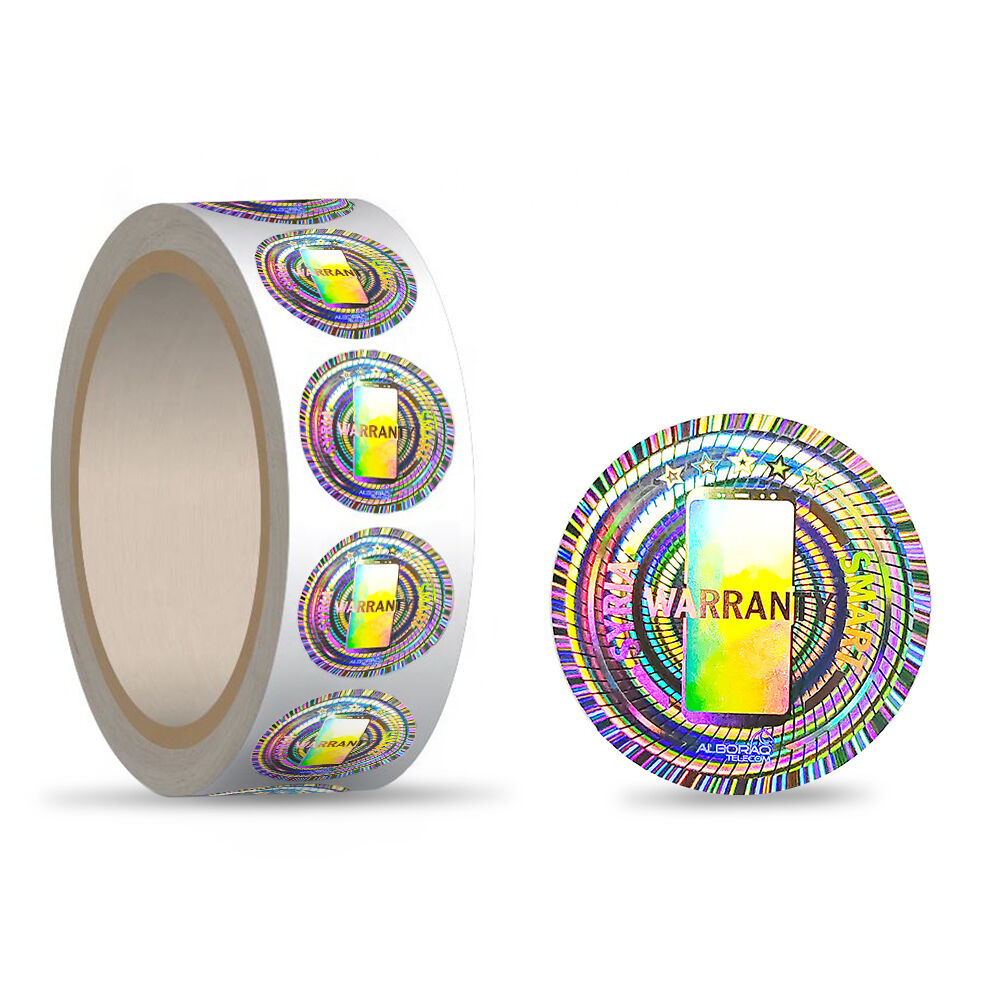
In today's global marketplace, product counterfeiting has become a billion-dollar threat that affects industries ranging from pharmaceuticals to luxury goods. As counterfeiters become increasingly sophisticated, manufacturers are turning to advanced security solutions that offer superior protection against fraudulent replication. Among the most effective anti-counterfeiting technologies available today, 3d hologram stickers stand out as a formidable barrier against even the most determined fraudsters. These innovative security labels combine cutting-edge optical technology with complex manufacturing processes that make unauthorized duplication extremely challenging and cost-prohibitive.
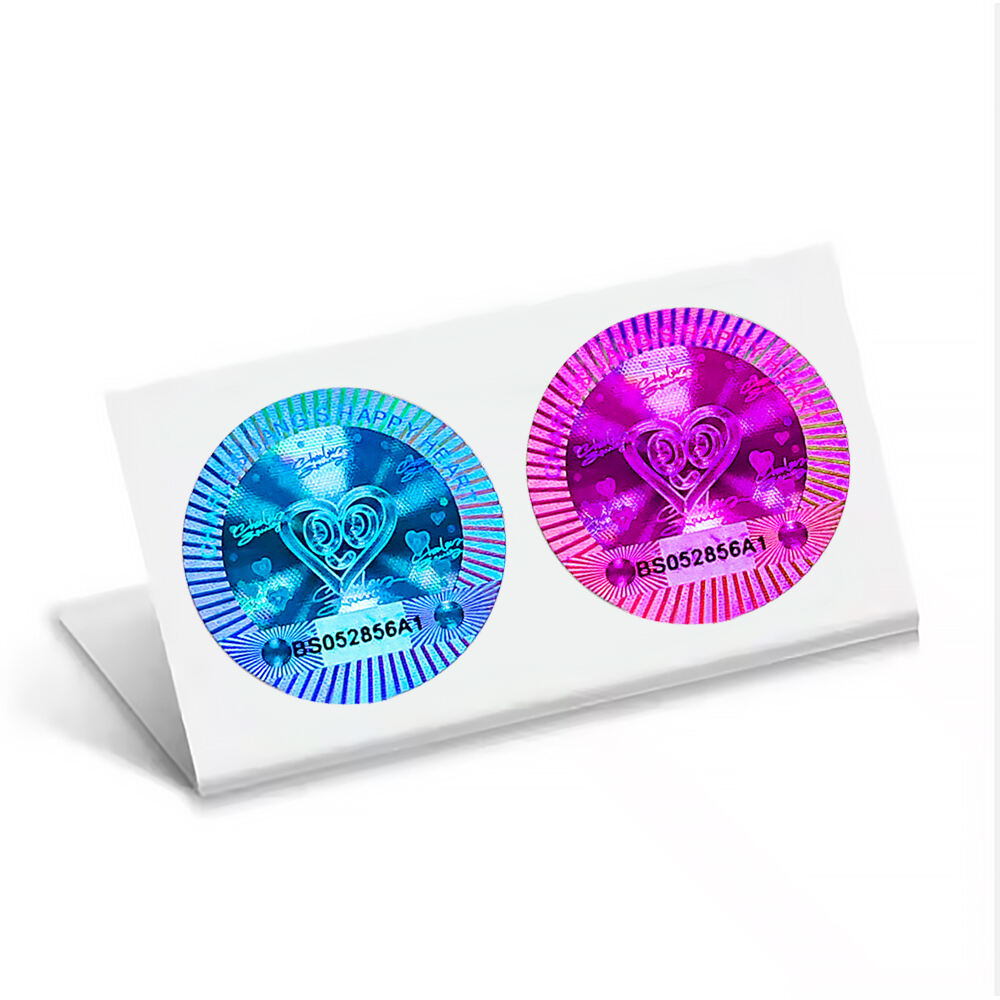
The complexity of holographic technology lies in its multi-layered optical structure that creates three-dimensional visual effects through precise light manipulation. Unlike traditional security features such as watermarks or simple holograms, 3d hologram stickers incorporate multiple security layers that work together to create a unique visual signature. This sophisticated approach to brand protection has revolutionized how companies safeguard their products and maintain consumer trust in an increasingly competitive marketplace.
Advanced Manufacturing Complexity Behind Holographic Security
Specialized Equipment Requirements
The production of high-quality 3d hologram stickers requires extraordinarily specialized equipment that represents a significant barrier to entry for potential counterfeiters. Professional holographic manufacturing facilities utilize electron beam lithography systems, laser interferometry equipment, and precision coating machines that can cost millions of dollars. These sophisticated machines operate under controlled environmental conditions with temperature and humidity specifications that must be maintained within extremely narrow tolerances. The initial investment required to establish a legitimate holographic production facility is so substantial that it effectively eliminates casual counterfeiters from attempting replication.
Furthermore, the operational expertise required to run this equipment properly takes years to develop. Skilled technicians must understand complex optical physics principles, material science, and precision engineering to produce consistent results. The learning curve associated with holographic production is steep, requiring extensive training and experience that counterfeiters simply cannot acquire quickly or economically. This technical barrier ensures that legitimate manufacturers maintain a significant advantage over potential fraudsters.
Multi-Layer Security Architecture
Modern 3d hologram stickers incorporate multiple security layers that work synergistically to create an authentication system that is virtually impossible to replicate completely. The base layer typically contains a micro-relief pattern created through electron beam lithography, which forms the foundation for the holographic effect. Above this, a metallized layer reflects light in specific patterns, while additional coating layers provide color-shifting effects and environmental protection. Each layer requires different materials, processing techniques, and quality control measures that compound the complexity exponentially.
The interaction between these layers creates unique optical phenomena that cannot be reproduced using simpler printing or coating methods. Counterfeiters attempting to replicate the visual appearance often fail to understand the underlying physics, resulting in inferior products that lack the dynamic visual effects of authentic holographic labels. The multi-dimensional nature of these security features means that even if fraudsters successfully copy one aspect, they inevitably fail to replicate the complete security profile that characterizes genuine 3d hologram stickers.
Optical Physics and Light Manipulation Technology
Interference Pattern Creation
The fundamental principle behind holographic security lies in the creation of interference patterns that store three-dimensional information in a two-dimensional medium. This process involves splitting a coherent laser beam into reference and object beams, which are then recombined to create complex interference patterns that are recorded on photosensitive materials. The resulting pattern contains all the phase and amplitude information necessary to reconstruct a three-dimensional image when illuminated with appropriate lighting conditions. This sophisticated optical recording process requires precise control of beam angles, exposure times, and environmental conditions that make replication extremely challenging.
Professional holographic recording systems utilize stabilized laser sources, vibration isolation tables, and sophisticated beam-shaping optics to ensure consistent results. The interference patterns created through this process contain microscopic detail that extends far beyond the resolution capabilities of conventional printing technologies. Even high-resolution digital printing systems cannot reproduce the fine detail and optical properties inherent in genuine holographic recordings, making visual inspection a reliable method for authentication.
Dynamic Visual Effects and Color Shifting
Authentic 3d hologram stickers exhibit dynamic visual effects that change dramatically based on viewing angle and lighting conditions. These effects include parallax motion, color shifting, and depth perception that create a compelling three-dimensional appearance. The color-shifting properties result from the interaction between light wavelengths and the microscopic surface structure, creating iridescent effects that vary continuously as the viewing angle changes. These dynamic properties are inherently difficult to simulate using conventional printing methods or simple metallic foils.
The depth perception effects in quality holographic labels create the illusion of objects floating above or below the surface plane, with realistic perspective changes that respond naturally to viewer movement. Counterfeit attempts typically fail to reproduce these sophisticated visual effects, instead producing static images with limited color variation and no genuine depth perception. The complexity of recreating these optical phenomena represents a fundamental barrier that protects legitimate manufacturers from unauthorized replication of their security labels.
Material Science and Substrate Technology
Specialized Polymer and Metallization Layers
The substrate materials used in professional-grade 3d hologram stickers incorporate advanced polymer chemistry and metallization techniques that contribute significantly to their anti-counterfeiting properties. High-performance polyester films provide the dimensional stability and optical clarity required for precise holographic recording, while specialized release coatings enable clean application and tamper-evident properties. The metallization layer, typically aluminum or other reflective metals, must be deposited under controlled vacuum conditions to achieve the uniform thickness and adhesion properties necessary for optimal optical performance.
The chemical composition and physical properties of these materials are carefully optimized to work together as an integrated system. Counterfeiters often attempt to substitute readily available materials that lack the specific performance characteristics of genuine holographic substrates. These substitutions typically result in inferior optical quality, reduced durability, and compromised security features that make detection relatively straightforward for trained inspectors.
Adhesive Systems and Tamper Evidence
Professional holographic security labels incorporate sophisticated adhesive systems designed to provide both strong initial adhesion and clear evidence of tampering attempts. These adhesive formulations are engineered to work specifically with holographic substrates while maintaining optical clarity and providing appropriate release characteristics during application. Tamper-evident features may include destructible substrates, hidden messages that appear upon removal attempts, or adhesive systems that leave clear residue patterns when disturbed.
The development of these specialized adhesive systems requires extensive research and testing to ensure compatibility with various application surfaces while maintaining security properties. Counterfeiters rarely have access to these proprietary adhesive formulations, forcing them to use generic alternatives that compromise both performance and security effectiveness. The integration of adhesive technology with holographic features creates additional barriers to replication that enhance overall security performance.
Quality Control and Authentication Features
Microscopic Detail and Hidden Elements
Legitimate manufacturers of 3d hologram stickers incorporate numerous microscopic details and hidden security elements that serve as additional authentication features beyond the primary holographic effects. These may include microtext that requires magnification to read clearly, hidden images that become visible only under specific lighting conditions, or sequential numbering systems that can be verified against manufacturing records. The incorporation of these fine details requires precision manufacturing capabilities and quality control systems that exceed the resources typically available to counterfeit operations.
Advanced holographic labels may also include covert security features that are not immediately apparent to casual observation but can be detected using specialized equipment or techniques. These hidden elements provide additional layers of security that allow manufacturers and authorities to verify authenticity even when primary security features might be compromised. The multi-level approach to security design ensures that authentication remains possible through multiple independent verification methods.
Batch Tracking and Serialization
Professional holographic label manufacturers implement comprehensive tracking systems that document the production history, distribution chain, and application details for each batch of security labels. This documentation trail provides valuable forensic evidence that can help identify the source of counterfeit products and support legal action against fraudsters. Serialization systems may include unique identifiers, production codes, or database integration that allows real-time verification of label authenticity.
The administrative overhead required to maintain these tracking systems represents another barrier to counterfeit operations, which typically lack the organizational infrastructure necessary for comprehensive documentation. Legitimate manufacturers can provide detailed provenance information for their products, while counterfeit operations cannot replicate this level of documentation and traceability. This systematic approach to security extends beyond the physical properties of 3d hologram stickers to include comprehensive authentication infrastructure.
Economic Barriers to Counterfeiting
High Initial Investment Requirements
The economic realities of holographic label production create substantial barriers that discourage most counterfeiting attempts. The specialized equipment required for authentic hologram production represents a multi-million-dollar investment that must be amortized over large production volumes to achieve economic viability. Additionally, the ongoing operational costs including skilled labor, specialized materials, and facility maintenance requirements create a high fixed-cost structure that makes small-scale counterfeiting operations economically unfeasible.
Market analysis indicates that the minimum viable production volume for profitable holographic manufacturing exceeds the typical demand for counterfeit security labels in most market segments. This economic mismatch between required investment and potential returns effectively eliminates many potential counterfeiting opportunities. The economies of scale required for competitive holographic production favor legitimate manufacturers who can leverage their investment across diverse customer bases and application requirements.
Research and Development Costs
Continuous innovation in holographic security technology requires substantial ongoing investment in research and development activities that further increase barriers to entry. Leading manufacturers invest heavily in developing new security features, improving production efficiency, and responding to emerging counterfeiting threats. This innovation cycle ensures that security features continue to evolve ahead of counterfeiting capabilities, maintaining the effectiveness of 3d hologram stickers as anti-counterfeiting tools.
The cumulative effect of these research investments creates a technological gap between legitimate manufacturers and potential counterfeiters that widens over time. While counterfeiters focus on replicating existing designs, legitimate manufacturers continue advancing the state of the art through proprietary research and development programs. This dynamic ensures that genuine holographic security labels maintain their advantage over counterfeit alternatives in the ongoing technology arms race between manufacturers and fraudsters.
FAQ
How can consumers verify the authenticity of 3d hologram stickers
Consumers can verify authentic 3d hologram stickers by examining several key characteristics that are difficult for counterfeiters to replicate. Genuine holographic labels exhibit smooth color transitions, clear depth effects, and consistent optical quality across the entire surface. The holographic image should display realistic parallax motion when viewed from different angles, with elements appearing to move independently and maintain proper perspective relationships. Additionally, authentic labels typically include fine microtext or hidden details that become visible under magnification, while counterfeit versions often lack these sophisticated features or display them with poor quality reproduction.
What makes 3d hologram stickers more secure than traditional security features
The superior security of 3d hologram stickers compared to traditional features stems from their multi-layered complexity and sophisticated manufacturing requirements. Unlike simple watermarks or printed security elements, holographic labels combine optical physics, specialized materials, and precision manufacturing processes that create multiple independent authentication criteria. The dynamic visual effects, microscopic detail resolution, and tamper-evident properties work together to create a security system that cannot be replicated using conventional printing or reproduction methods. This integrated approach provides authentication confidence that exceeds traditional security features significantly.
Can digital printing technology replicate holographic security effects
Current digital printing technology cannot successfully replicate the authentic optical effects found in genuine 3d hologram stickers, despite significant advances in print resolution and color reproduction capabilities. Holographic effects result from physical light interference patterns recorded in specialized materials, while digital printing relies on ink deposition and color mixing to create visual effects. The fundamental difference in underlying physics means that printed reproductions lack the dynamic color shifting, depth perception, and angular dependence that characterize authentic holographic labels. Even high-resolution printing systems cannot reproduce the microscopic surface structures responsible for genuine holographic optical properties.
Why do counterfeiters avoid targeting products with holographic security labels
Counterfeiters typically avoid products protected by high-quality holographic security labels because the combination of technical complexity, economic barriers, and detection risk makes such counterfeiting attempts unprofitable. The specialized equipment and expertise required for holographic replication represent investments that exceed the potential returns from most counterfeiting operations. Additionally, the distinctive visual characteristics of authentic 3d hologram stickers make counterfeit versions easily detectable by consumers, enforcement authorities, and brand protection teams. This high detection probability increases legal risks while reducing market acceptance of counterfeit products, making holographically protected items less attractive targets for fraudulent reproduction.