
 EN
EN
Cosmetic labels serve as the primary communication bridge between brands and consumers, establishing trust through transparency and regulatory compliance. In today's competitive beauty market, these labels carry significant responsibility beyond mere product identification, encompassing safety information, ingredient disclosure, and brand credibility. Modern cosmetic labels must navigate complex regulatory requirements while maintaining aesthetic appeal that resonates with target demographics. The strategic design and content of cosmetic labels directly influence purchasing decisions, with consumers increasingly scrutinizing product information before making beauty investments. Quality cosmetic labels demonstrate a brand's commitment to consumer safety and regulatory adherence, forming the foundation of lasting customer relationships.
Regulatory Compliance and Consumer Protection
FDA Requirements for Beauty Products
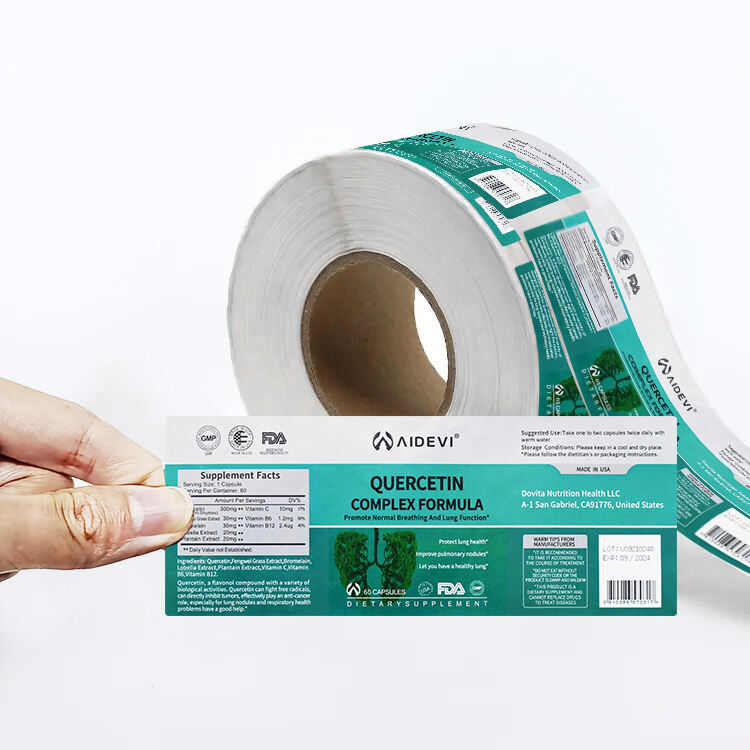
The Food and Drug Administration mandates specific labeling requirements for cosmetic products sold in the United States, ensuring consumer safety through comprehensive ingredient disclosure. Cosmetic labels must include the product name, intended use, net quantity of contents, and complete ingredient list in descending order of predominance. Manufacturers must ensure their cosmetic labels comply with the Fair Packaging and Labeling Act, which standardizes product information presentation across the beauty industry. These regulatory frameworks protect consumers from potentially harmful substances while enabling informed purchasing decisions based on individual skin sensitivities and preferences.
Warning statements and cautionary language represent critical components of compliant cosmetic labels, particularly for products containing active ingredients or potential allergens. Professional cosmetic labels incorporate FDA-approved terminology and formatting to communicate essential safety information without compromising brand aesthetics. Regulatory compliance extends beyond federal requirements, as many states impose additional labeling standards that cosmetic manufacturers must address through comprehensive label design strategies.
International Standards and Global Markets
European Union cosmetic regulations establish stringent labeling requirements through the Cosmetics Regulation EC 1223/2009, demanding multilingual ingredient lists and specific safety warnings. International cosmetic labels must accommodate varying cultural preferences, language requirements, and regulatory standards across different markets while maintaining brand consistency. The International Nomenclature of Cosmetic Ingredients (INCI) provides standardized ingredient naming conventions that enable global cosmetic labels to communicate effectively across language barriers.
Asian markets present unique challenges for cosmetic labels, with countries like Japan, South Korea, and China implementing distinct regulatory frameworks and cultural expectations. Successful global brands invest in specialized cosmetic labels that address regional requirements while preserving brand identity and consumer recognition. Cross-border compliance requires extensive research and local expertise to ensure cosmetic labels meet all applicable standards without creating market entry barriers.
Building Brand Trust Through Transparent Communication
Ingredient Transparency and Consumer Education
Modern consumers demand unprecedented transparency regarding cosmetic ingredients, driving brands to develop educational cosmetic labels that explain complex formulations in accessible language. Clean beauty movements have elevated ingredient consciousness, requiring cosmetic labels to balance scientific accuracy with consumer-friendly explanations of benefits and potential concerns. Transparency builds trust when cosmetic labels clearly communicate what products contain, how ingredients function, and why specific formulations benefit particular skin types or concerns.
Educational cosmetic labels often include QR codes or web addresses linking to detailed ingredient databases, allowing curious consumers to access comprehensive product information beyond label constraints. This approach demonstrates brand confidence in formulation quality while accommodating varying levels of consumer interest in ingredient details. Premium brands increasingly use cosmetic labels as educational tools, positioning themselves as trusted advisors in complex beauty landscapes.
Sustainable Practices and Environmental Responsibility
Environmental consciousness influences cosmetic label design, with brands incorporating sustainability messaging and eco-friendly material specifications to attract environmentally aware consumers. Recyclable cosmetic labels made from sustainable materials communicate brand values while reducing environmental impact throughout product lifecycles. Green beauty segments specifically seek cosmetic labels that highlight organic certifications, cruelty-free testing practices, and environmentally responsible manufacturing processes.
Carbon footprint reduction efforts extend to cosmetic labels through local sourcing, minimal packaging designs, and biodegradable adhesive technologies that align with broader sustainability commitments. Forward-thinking brands use cosmetic labels to educate consumers about proper disposal methods, recycling opportunities, and refillable packaging options that reduce waste generation. These environmental considerations increasingly influence consumer loyalty and purchasing decisions across all beauty market segments.
Design Psychology and Consumer Behavior
Visual Appeal and Shelf Impact
Cosmetic labels function as silent salespeople, utilizing color psychology, typography, and imagery to capture consumer attention within crowded retail environments. Successful cosmetic labels balance aesthetic appeal with functional information, creating visual hierarchies that guide consumer attention toward key selling points and brand differentiators. Premium cosmetic labels often employ sophisticated finishing techniques like foil stamping, embossing, or specialty inks that convey quality perceptions and justify higher price points.
Color selection for cosmetic labels significantly impacts consumer perceptions, with specific hues triggering psychological associations related to product efficacy, target demographics, and brand positioning. Research indicates that cosmetic labels using consistent brand colors across product lines enhance consumer recognition and facilitate brand loyalty development. Professional designers understand how cosmetic labels can leverage white space, contrast, and visual flow to create compelling presentations that stand out among competitors.
Target Demographic Alignment
Effective cosmetic labels speak directly to intended consumer segments through carefully selected visual and textual elements that resonate with specific demographic preferences and values. Luxury cosmetic labels employ minimalist designs and premium materials to communicate exclusivity, while mass-market products utilize bold graphics and clear benefit statements to attract price-conscious shoppers. Age-appropriate cosmetic labels consider font sizes, color preferences, and messaging styles that appeal to target demographics without alienating secondary market segments.
Cultural sensitivity plays a crucial role in cosmetic labels designed for diverse markets, requiring brands to research local preferences, taboos, and communication styles that influence purchasing behavior. Generational differences significantly impact cosmetic label effectiveness, with younger consumers favoring social media-friendly designs while older demographics prioritize clear information and traditional aesthetics. Successful brands conduct extensive market research to ensure their cosmetic labels align with target audience expectations and cultural norms.
Technology Integration and Future Trends
Smart Labels and Digital Enhancement
Advanced cosmetic labels incorporate near-field communication (NFC) technology and augmented reality features that transform traditional packaging into interactive consumer experiences. Smart cosmetic labels enable brands to provide personalized product recommendations, usage tutorials, and loyalty program integration through smartphone interactions. These technological enhancements allow cosmetic labels to overcome space limitations by connecting consumers to comprehensive digital content libraries and community platforms.
Blockchain integration in cosmetic labels enables supply chain transparency and authenticity verification, addressing growing consumer concerns about counterfeit products and ingredient sourcing. Digital cosmetic labels can track product journeys from manufacture to consumer, providing unprecedented transparency that builds trust and demonstrates quality commitments. Authentication features embedded in cosmetic labels protect both brands and consumers from potentially dangerous counterfeit products that compromise safety and brand reputation.
Personalization and Mass Customization
Digital printing technologies enable brands to create personalized cosmetic labels that address individual consumer preferences, skin concerns, and aesthetic preferences at scale. Variable data printing allows cosmetic labels to include consumer names, specific formulation details, or customized usage instructions that enhance perceived value and customer engagement. Mass customization of cosmetic labels supports direct-to-consumer business models while maintaining cost-effectiveness across diverse product offerings.
Artificial intelligence integration enables cosmetic labels to adapt content based on consumer data, purchase history, and stated preferences, creating truly personalized product experiences. Future cosmetic labels may incorporate color-changing inks or temperature-sensitive materials that respond to environmental conditions or user interactions. These innovations represent significant opportunities for brands to differentiate their cosmetic labels while providing enhanced consumer value and engagement opportunities.
Quality Assurance and Manufacturing Excellence
Material Selection and Durability
Professional cosmetic labels require specialized materials that withstand exposure to moisture, temperature variations, and handling throughout product lifecycles without compromising adhesion or appearance. Waterproof cosmetic labels utilize advanced adhesive technologies and substrate materials that maintain integrity in bathroom environments and during shipping and storage. Material selection for cosmetic labels must balance durability requirements with aesthetic goals, regulatory compliance, and environmental considerations that influence brand perception.
High-quality cosmetic labels employ fade-resistant inks and protective coatings that preserve color accuracy and text legibility throughout extended shelf life periods. Testing protocols for cosmetic labels evaluate adhesion strength, print quality, and material durability under simulated use conditions that replicate real-world consumer environments. Premium brands invest in superior cosmetic labels that reflect product quality and demonstrate attention to detail that builds consumer confidence and loyalty.
Supply Chain Management and Consistency
Reliable cosmetic labels require robust supply chain partnerships and quality control systems that ensure consistent production standards across multiple manufacturing locations and time periods. Global brands implement standardized specifications for cosmetic labels that maintain visual consistency while accommodating regional regulatory requirements and cultural preferences. Supply chain diversification protects cosmetic labels production from disruptions while maintaining quality standards and delivery schedules critical to product launch success.
Quality assurance programs for cosmetic labels include incoming material inspections, in-process monitoring, and finished product evaluations that prevent defects from reaching consumers. Continuous improvement initiatives optimize cosmetic labels production processes while reducing waste, minimizing costs, and enhancing overall product quality. Strategic partnerships with specialized label manufacturers enable brands to access advanced technologies and expertise that improve cosmetic labels performance and consumer satisfaction.
FAQ
What information must be included on cosmetic labels by law
Legal requirements for cosmetic labels include the product name, intended use statement, net contents declaration, ingredient list in descending order of concentration, and manufacturer contact information. Additional requirements may include warning statements for specific ingredients, expiration dates for products with shelf life limitations, and country of origin declarations for imported products. Regulatory compliance varies by jurisdiction, with FDA requirements for the United States differing from European Union standards and other international markets.
How do cosmetic labels influence consumer purchasing decisions
Cosmetic labels significantly impact purchasing decisions through visual appeal, ingredient transparency, brand positioning, and perceived value communication. Consumers rely on cosmetic labels to evaluate product suitability for their skin type, ingredient preferences, and lifestyle values such as cruelty-free or sustainable practices. Clear benefit statements, professional design quality, and regulatory compliance visible on cosmetic labels build trust and confidence that directly correlate with purchase likelihood and brand loyalty development.
What materials work best for waterproof cosmetic labels
Waterproof cosmetic labels typically utilize synthetic substrates such as polypropylene, polyethylene, or vinyl materials combined with aggressive adhesives designed for wet environments. These materials resist moisture absorption while maintaining dimensional stability and print quality under humid conditions common in bathrooms and cosmetic storage areas. Premium waterproof cosmetic labels may incorporate lamination or specialty coatings that provide additional protection against water damage and mechanical wear.
How can brands ensure their cosmetic labels meet international standards
International compliance for cosmetic labels requires comprehensive research of target market regulations, partnership with local regulatory experts, and implementation of flexible design systems that accommodate varying requirements. Brands should establish relationships with qualified label manufacturers familiar with international standards and invest in regulatory consulting to navigate complex requirements across multiple jurisdictions. Regular updates to cosmetic labels specifications ensure ongoing compliance as regulations evolve and new markets become accessible to expanding brands.