
 EN
EN
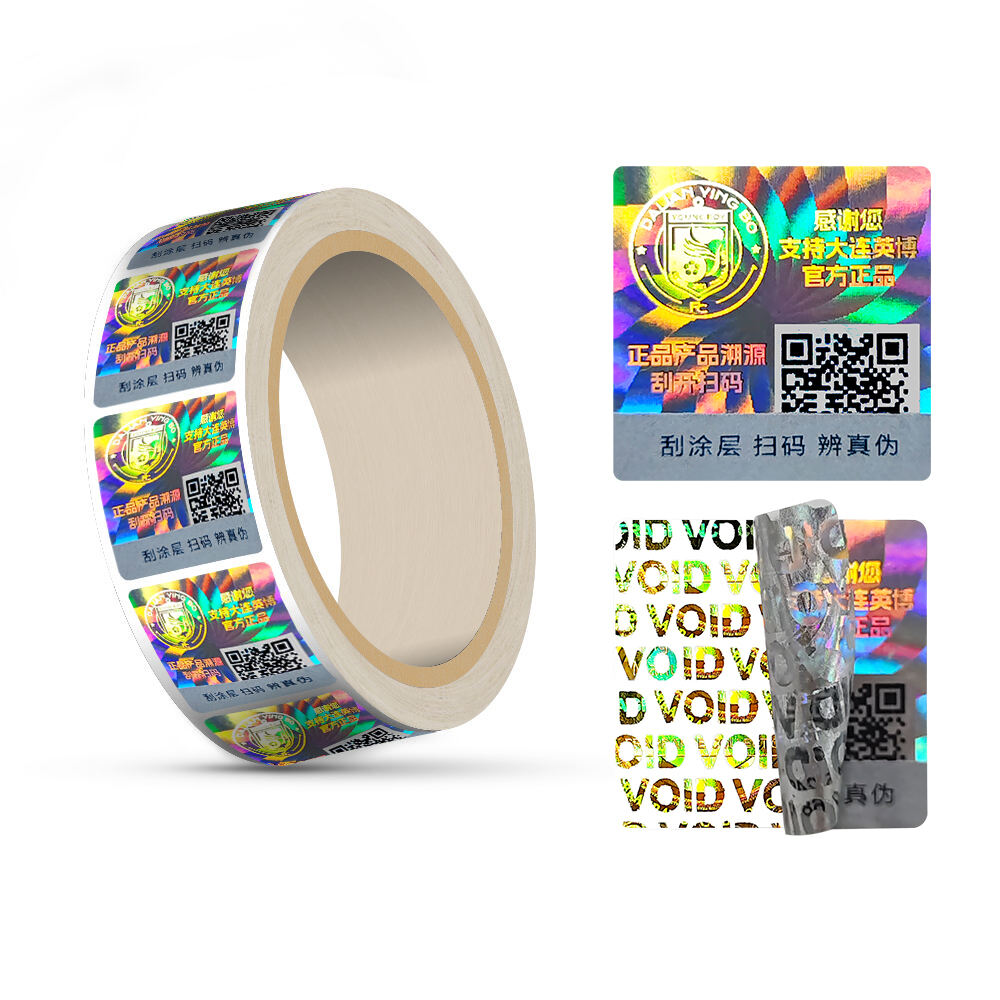
In today's competitive luxury market, packaging has become more than just protection for products—it serves as the first touchpoint between brands and consumers. Custom holographic stickers have emerged as a sophisticated solution that elevates packaging aesthetics while providing authentic brand protection. These innovative labels combine visual appeal with security features, creating an immediate perception of premium quality that resonates with discerning customers. The strategic implementation of custom holographic stickers can transform ordinary packaging into extraordinary brand experiences that command higher perceived value and customer loyalty.
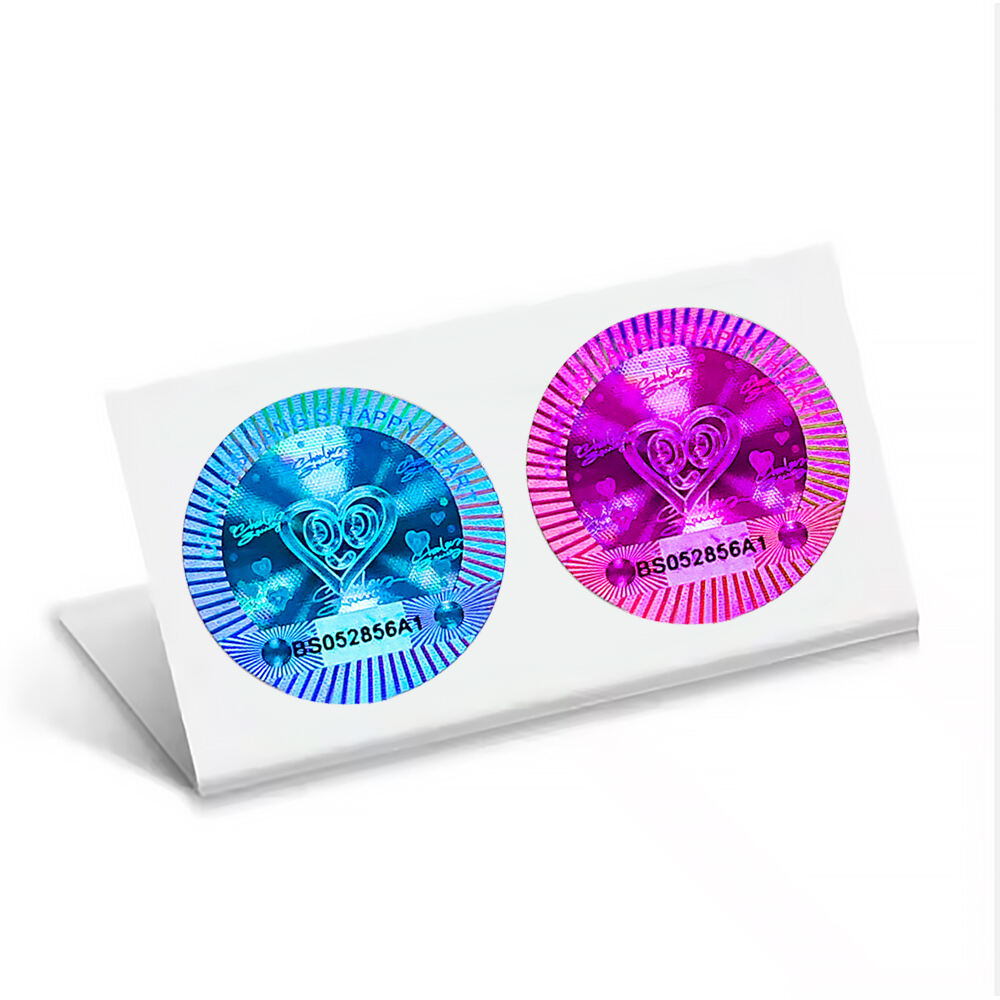
The luxury packaging industry continues to evolve as consumer expectations reach new heights, demanding both visual sophistication and authentic brand verification. Modern consumers associate holographic elements with premium products, making these specialized stickers an essential component of successful luxury packaging strategies. When properly integrated into packaging design, custom holographic stickers create multi-dimensional visual effects that capture attention and communicate brand exclusivity. The interplay between light reflection and color shifts inherent in holographic materials instantly signals quality and authenticity to consumers browsing retail environments.
Understanding the Impact of Holographic Elements in Luxury Packaging
Visual Psychology and Consumer Perception
The human brain processes holographic imagery differently than traditional flat graphics, creating immediate attention and engagement that translates into perceived value. Custom holographic stickers leverage this psychological response by producing dynamic visual effects that change based on viewing angle and lighting conditions. Research indicates that products featuring holographic packaging elements are perceived as more valuable than identical items without these features. The prismatic quality of custom holographic stickers creates depth perception that suggests craftsmanship and attention to detail, key attributes associated with luxury brands.
Consumer studies reveal that holographic packaging elements trigger positive emotional responses linked to excitement and premium quality expectations. The shifting colors and patterns created by custom holographic stickers generate curiosity and encourage tactile interaction with packaging, extending customer engagement time significantly. This extended interaction period provides brands with additional opportunities to communicate value propositions and build emotional connections. The memorable nature of holographic visuals also enhances brand recall, contributing to long-term customer relationships and repeat purchase behavior.
Market Positioning Through Advanced Packaging
Luxury markets demand packaging solutions that differentiate products from mass-market alternatives while justifying premium pricing strategies. Custom holographic stickers provide this differentiation through sophisticated visual technology that cannot be easily replicated by competitors using standard printing methods. The complex optical effects created by holographic materials require specialized manufacturing processes, creating natural barriers to imitation that protect brand positioning. Premium brands utilize custom holographic stickers to establish clear visual hierarchies that separate their products from lower-tier alternatives in competitive retail environments.
The strategic placement of custom holographic stickers on packaging creates focal points that guide consumer attention toward key brand messages and product benefits. These eye-catching elements serve as quality indicators that influence purchasing decisions at the critical moment of consumer evaluation. Brands that consistently implement holographic packaging elements across product lines develop recognizable visual signatures that build brand equity over time. The investment in custom holographic stickers demonstrates commitment to quality that resonates with luxury consumers who value attention to detail.
Security Features and Anti-Counterfeiting Benefits
Authentication Technology Integration
Modern custom holographic stickers incorporate advanced security features that protect luxury brands from counterfeiting while adding perceived value to authentic products. These sophisticated labels combine multiple authentication layers including microtext, hidden images, and unique serial numbers that are virtually impossible to reproduce accurately. The complex manufacturing processes required for authentic custom holographic stickers create significant barriers for counterfeiters attempting to replicate luxury packaging. Brands benefit from this inherent security while consumers gain confidence in product authenticity through easily recognizable holographic verification features.
The tamper-evident properties of many custom holographic stickers provide additional security benefits that enhance consumer trust and product integrity. These specialized labels reveal obvious signs of tampering when removal is attempted, ensuring that customers can identify potential security breaches immediately. The combination of visual appeal and security functionality makes custom holographic stickers particularly valuable for luxury products where authenticity concerns significantly impact consumer confidence. Advanced holographic technologies continue to evolve, incorporating features like smartphone-readable elements that enable consumers to verify authenticity through mobile applications.
Brand Protection Through Visual Complexity
The intricate visual patterns and color-shifting properties of custom holographic stickers create unique brand identifiers that are extremely difficult to counterfeit using conventional printing methods. Each holographic design requires specialized equipment and expertise that limits the ability of unauthorized manufacturers to produce convincing replicas. This natural protection mechanism helps luxury brands maintain exclusivity while reducing the costs associated with traditional anti-counterfeiting measures. The visible security features provided by custom holographic stickers also serve as marketing tools that communicate brand investment in quality and consumer protection.
Luxury consumers increasingly value brands that demonstrate commitment to authenticity through advanced security measures integrated into packaging design. Custom holographic stickers meet this demand while enhancing overall packaging aesthetics through their dynamic visual properties. The dual functionality of these labels as both decorative elements and security features maximizes return on packaging investment for luxury brands. Companies utilizing custom holographic stickers often report reduced counterfeiting incidents and improved customer confidence in product authenticity, contributing to stronger brand reputation and market positioning.
Design Integration Strategies for Maximum Impact
Color Coordination and Brand Harmony
Successful implementation of custom holographic stickers requires careful consideration of existing brand color schemes and packaging design elements to ensure cohesive visual presentation. The prismatic nature of holographic materials produces multiple colors simultaneously, necessitating strategic selection of base colors that complement rather than compete with brand palettes. Professional designers recommend incorporating custom holographic stickers as accent elements that enhance primary brand colors while adding depth and dimension to packaging surfaces. The key lies in balancing the dynamic properties of holographic elements with the stability of established brand visual identities.
Advanced custom holographic stickers can be engineered to emphasize specific color ranges that align with brand guidelines while maintaining their characteristic light-shifting properties. This customization capability allows luxury brands to maintain visual consistency across product lines while benefiting from the premium perception associated with holographic packaging elements. The interaction between holographic surfaces and ambient lighting conditions should be considered during design phases to ensure optimal visual impact across various retail environments. Successful integration often involves creating visual anchors through strategic placement that draws attention without overwhelming other important packaging information.
Placement Optimization for Visual Flow
The strategic positioning of custom holographic stickers significantly impacts their effectiveness in enhancing packaging value and consumer perception. Prime placement locations include areas that naturally receive consumer attention during product evaluation, such as front panels, corners, or seal areas where hands naturally interact with packaging. The size and shape of custom holographic stickers should complement package proportions while creating visual balance that feels intentional rather than applied as an afterthought. Professional packaging designers often use the golden ratio principle when determining optimal dimensions and placement for holographic elements.
Multiple custom holographic stickers can be used effectively when applied consistently across packaging surfaces to create unified visual themes without appearing cluttered or overwhelming. The key to successful multi-sticker implementation lies in maintaining consistent sizing, spacing, and visual weight distribution that guides consumer attention through intended viewing sequences. Custom holographic stickers work particularly well when integrated with embossed or debossed packaging features that create tactile interest complementing visual appeal. The interplay between different surface textures and holographic light effects creates sophisticated packaging presentations that justify premium pricing strategies.
Manufacturing Considerations and Quality Standards
Material Selection and Durability Requirements
The selection of appropriate substrate materials for custom holographic stickers directly impacts both visual quality and long-term durability under various storage and handling conditions. High-quality holographic films require stable base materials that resist deformation, moisture absorption, and temperature variations that could compromise optical properties. Premium custom holographic stickers utilize advanced polymer substrates engineered specifically for holographic applications, ensuring consistent visual performance throughout product lifecycles. The adhesive systems used in luxury packaging applications must provide secure bonding while allowing for clean removal when necessary without damaging underlying packaging surfaces.
Quality control measures for custom holographic stickers include rigorous testing protocols that evaluate color consistency, adhesion strength, and environmental resistance across production batches. These testing procedures ensure that holographic elements maintain their visual impact under typical retail conditions including fluorescent lighting, temperature fluctuations, and handling stress. Luxury brands often specify additional quality requirements including UV resistance, scratch resistance, and chemical compatibility with packaging materials. The manufacturing complexity of custom holographic stickers requires partnerships with specialized suppliers who understand the technical requirements of luxury packaging applications.
Production Scalability and Cost Optimization
The economic viability of custom holographic stickers for luxury packaging depends on achieving optimal balance between visual impact, quality standards, and production costs across various order volumes. Large-scale production runs typically offer better per-unit costs for custom holographic stickers, making them more accessible for established luxury brands with consistent packaging volumes. However, advances in digital holographic printing technology have reduced minimum order quantities, enabling smaller luxury brands to access custom holographic solutions previously available only to major manufacturers. The investment in tooling and setup costs for custom holographic stickers can be amortized across multiple product lines when design elements are strategically standardized.
Supply chain considerations for custom holographic stickers include lead time requirements, inventory management, and quality consistency across multiple production facilities. Luxury brands often require shorter lead times and smaller batch sizes than traditional packaging suppliers typically accommodate, necessitating partnerships with flexible manufacturers specializing in custom holographic applications. The global nature of luxury markets requires custom holographic stickers that meet diverse regulatory requirements and quality standards across different regions. Successful implementation strategies often involve developing relationships with suppliers who can provide consistent quality and service across international markets.
Measuring Return on Investment and Brand Impact
Consumer Response Analytics
The effectiveness of custom holographic stickers in enhancing packaging value can be measured through various consumer research methodologies including focus groups, eye-tracking studies, and purchase behavior analysis. These research approaches provide quantitative data on how holographic elements influence consumer attention, perception, and purchasing decisions compared to conventional packaging alternatives. Luxury brands utilizing custom holographic stickers often report measurable improvements in brand perception scores, product trial rates, and customer satisfaction metrics. The visual impact of holographic packaging elements can be tracked through social media engagement and user-generated content that showcases products in consumer environments.
Advanced analytics platforms enable brands to correlate the presence of custom holographic stickers with sales performance, market share changes, and customer retention rates across different product categories. A/B testing methodologies comparing products with and without holographic packaging elements provide direct evidence of their impact on consumer behavior and purchasing patterns. The data collected from these studies helps optimize future applications of custom holographic stickers by identifying most effective design approaches, placement strategies, and target market segments. Long-term tracking studies reveal how holographic packaging elements contribute to brand equity development and premium positioning maintenance.
Cost-Benefit Analysis Framework
Comprehensive evaluation of custom holographic stickers requires analysis of both direct costs including material, manufacturing, and application expenses, and indirect benefits such as enhanced brand perception, reduced counterfeiting, and increased customer loyalty. The premium pricing potential enabled by holographic packaging elements often justifies higher material costs through improved profit margins and market positioning advantages. Brands implementing custom holographic stickers typically evaluate success through metrics including average selling price increases, market share growth, and customer lifetime value improvements. The long-term benefits of brand differentiation and security protection provided by holographic elements often outweigh initial implementation investments.
Return on investment calculations for custom holographic stickers should include consideration of competitive advantages gained through distinctive packaging that cannot be easily replicated by competitors. The barrier to entry created by sophisticated holographic packaging helps protect market position and justify premium pricing strategies over extended periods. Successful luxury brands often view custom holographic stickers as strategic investments in brand equity rather than simple packaging costs, recognizing their contribution to overall brand value and market competitiveness. Regular reassessment of holographic packaging performance ensures continued optimization and maximum return on investment across evolving market conditions.
FAQ
What makes custom holographic stickers more effective than traditional luxury packaging elements
Custom holographic stickers provide unique visual effects that cannot be achieved through conventional printing methods, creating immediate attention and perceived value that traditional elements cannot match. The dynamic color-shifting properties of holographic materials produce three-dimensional visual depth that engages consumers more effectively than static graphics or foil applications. Additionally, the inherent security features of custom holographic stickers provide anti-counterfeiting protection that adds functional value beyond aesthetic enhancement. The combination of visual appeal, security functionality, and premium perception makes custom holographic stickers particularly cost-effective for luxury packaging applications where brand differentiation and authenticity are critical success factors.
How do custom holographic stickers impact the overall cost structure of luxury packaging
While custom holographic stickers typically carry higher material costs than conventional labels, their impact on perceived value and premium pricing potential often results in improved profit margins that offset increased packaging expenses. The enhanced brand positioning enabled by holographic packaging elements allows luxury brands to justify higher retail prices while maintaining competitive advantage through distinctive visual presentation. Long-term cost benefits include reduced counterfeiting losses, improved customer retention, and stronger brand equity that supports sustained premium positioning. Many luxury brands find that the return on investment from custom holographic stickers exceeds initial cost increases through improved market performance and customer loyalty.
What technical considerations should brands evaluate when implementing custom holographic stickers
Key technical factors include adhesive compatibility with packaging substrates, environmental resistance requirements, and integration with existing packaging production processes. Custom holographic stickers must maintain visual quality under storage conditions, retail lighting, and handling stress while providing secure adhesion without damaging packaging materials. Color coordination with existing brand palettes requires careful consideration since holographic materials produce multiple colors simultaneously that must complement rather than conflict with established brand visual identities. Additionally, brands should evaluate supplier capabilities including quality consistency, production scalability, and ability to meet delivery timelines across various order volumes and market requirements.
How can brands measure the effectiveness of custom holographic stickers in their packaging strategy
Effective measurement approaches include consumer research studies comparing products with and without holographic elements, sales performance analysis, and brand perception tracking through surveys and social media engagement monitoring. A/B testing methodologies provide direct evidence of how custom holographic stickers influence purchasing behavior and customer preference compared to alternative packaging approaches. Long-term success metrics should include market share changes, average selling price improvements, customer retention rates, and brand equity development indicators. Regular assessment of these performance measures ensures optimal implementation of custom holographic stickers and maximum return on packaging investment across evolving market conditions and consumer preferences.
Table of Contents
- Understanding the Impact of Holographic Elements in Luxury Packaging
- Security Features and Anti-Counterfeiting Benefits
- Design Integration Strategies for Maximum Impact
- Manufacturing Considerations and Quality Standards
- Measuring Return on Investment and Brand Impact
-
FAQ
- What makes custom holographic stickers more effective than traditional luxury packaging elements
- How do custom holographic stickers impact the overall cost structure of luxury packaging
- What technical considerations should brands evaluate when implementing custom holographic stickers
- How can brands measure the effectiveness of custom holographic stickers in their packaging strategy