
 EN
EN
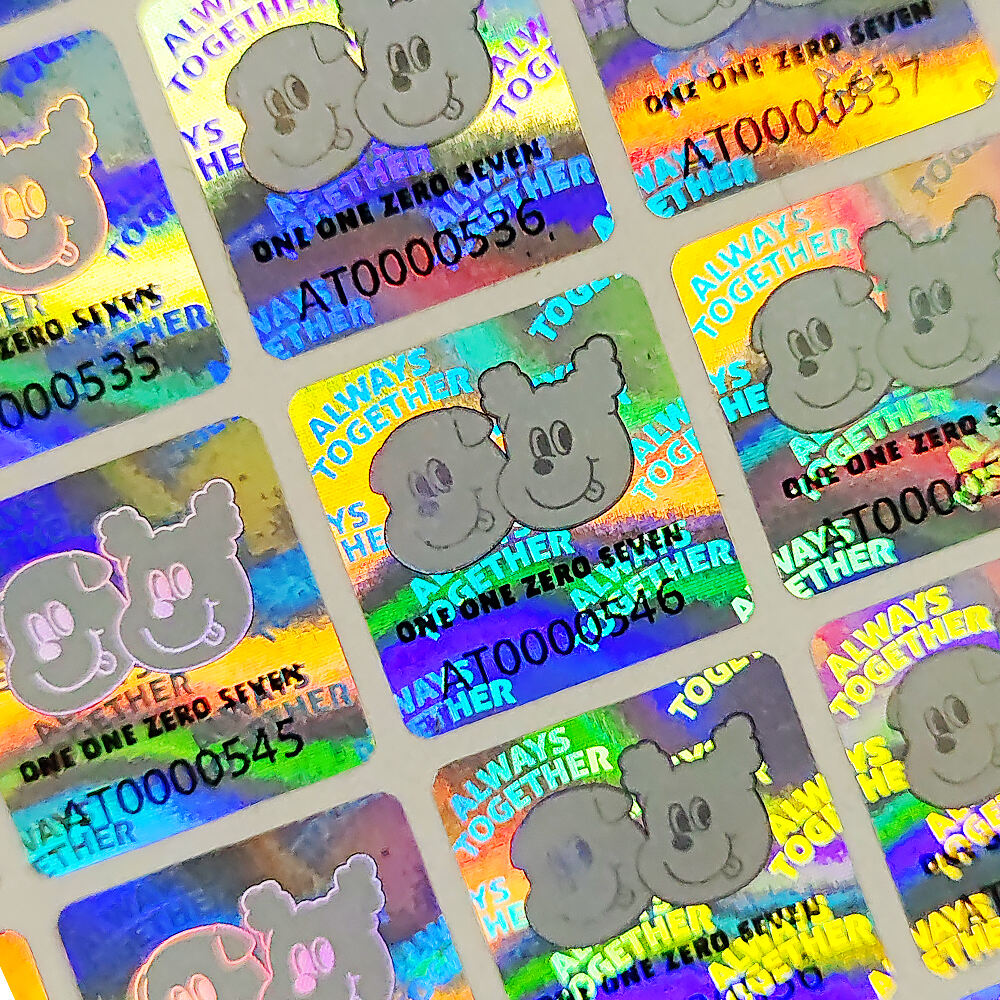
Brand counterfeiting has become one of the most pressing challenges facing businesses across industries, costing the global economy hundreds of billions annually. As counterfeiters develop increasingly sophisticated methods to replicate products and packaging, companies are turning to advanced security solutions to protect their brand integrity. Among the various anti-counterfeiting technologies available today, hologram stickers have emerged as the most effective and reliable defense against fraudulent replication, offering a unique combination of visual appeal, security features, and cost-effectiveness that makes them the preferred choice for brand protection.
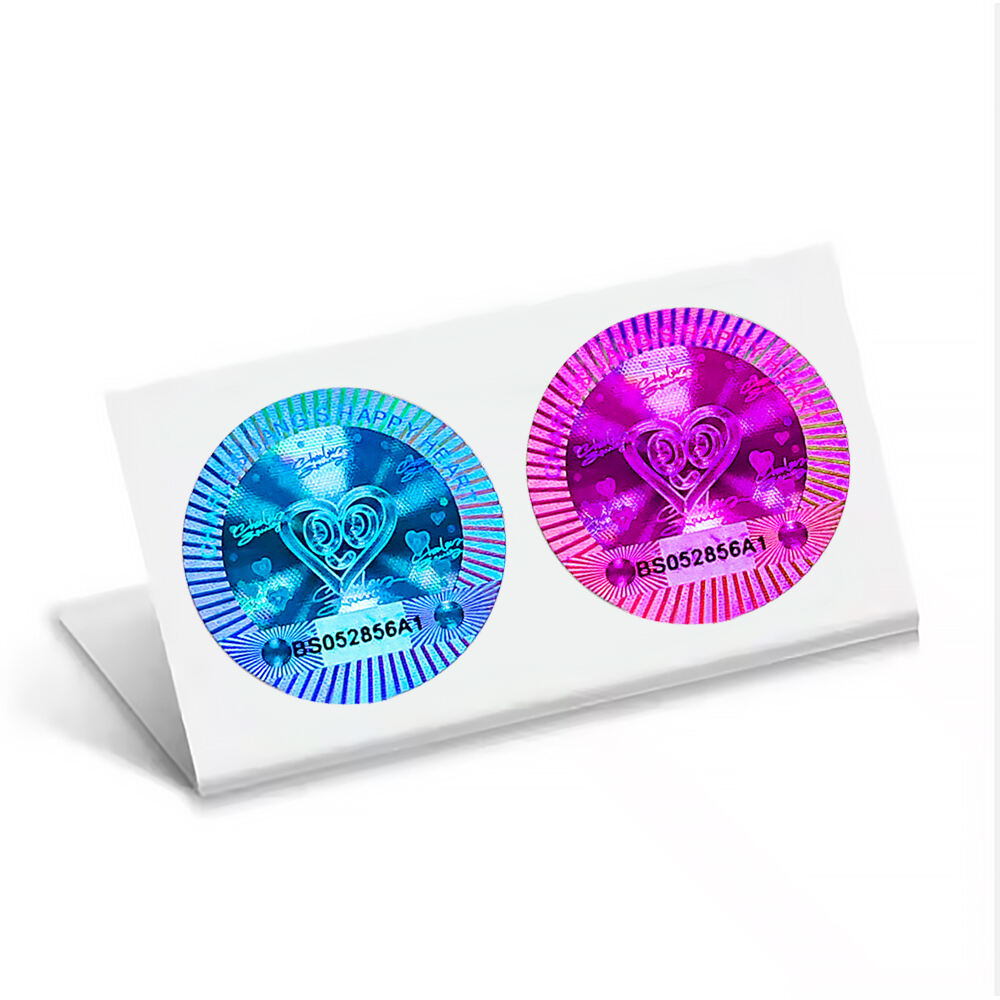
The sophisticated nature of modern hologram stickers makes them virtually impossible to replicate accurately using conventional counterfeiting methods. These security labels incorporate multiple layers of protection that work together to create an authentication system that is both highly secure and easily verifiable by consumers and retailers alike. The three-dimensional optical effects, combined with tamper-evident features and customizable security elements, create a comprehensive barrier against counterfeit reproduction that has proven remarkably effective across diverse market segments.
The economic impact of implementing hologram stickers as a primary anti-counterfeiting measure extends far beyond the initial investment in security labels. Companies that deploy these advanced authentication tools typically experience significant improvements in brand trust, customer loyalty, and market positioning, while simultaneously reducing losses from counterfeit sales and protecting their intellectual property rights. The return on investment for holographic security solutions consistently outperforms alternative anti-counterfeiting approaches, making them an essential component of any comprehensive brand protection strategy.
Advanced Security Features of Hologram Technology
Multi-Layer Authentication Elements
Modern hologram stickers incorporate sophisticated multi-layer authentication systems that combine visible and covert security features to create an extremely robust defense against counterfeiting attempts. The primary visual layer displays distinctive holographic images, patterns, or text that shift and change as the viewing angle varies, creating dynamic optical effects that are extraordinarily difficult to reproduce using standard printing or manufacturing techniques. These surface-level features serve as the first line of defense, providing immediate visual confirmation of authenticity to consumers and retailers.
Beneath the visible holographic elements, advanced hologram stickers contain multiple hidden security features that can only be detected using specialized equipment or techniques. These covert authentication elements include microscopic text, hidden images that become visible only under specific lighting conditions, and embedded security threads or particles that create unique optical signatures. The combination of overt and covert features creates a layered security approach that makes comprehensive counterfeiting virtually impossible while maintaining ease of verification for authorized personnel.
The manufacturing process for high-quality hologram stickers involves precise optical engineering and specialized production equipment that represents significant barriers to entry for counterfeiters. The creation of master holograms requires advanced laser technology, specialized photographic materials, and expert knowledge of optical physics that is not readily accessible to unauthorized manufacturers. This technological complexity ensures that legitimate hologram stickers maintain their security advantage over fraudulent attempts at replication.
Tamper-Evident Protection Mechanisms
One of the most valuable security features incorporated into professional-grade hologram stickers is their tamper-evident functionality, which provides immediate visual indication if someone attempts to remove or manipulate the security label. When properly applied, these hologram stickers will show clear signs of tampering through various mechanisms including adhesive residue patterns, destructible materials, or void messages that appear when removal is attempted.
The tamper-evident properties of hologram stickers serve multiple security functions simultaneously, protecting against both counterfeiting and product tampering throughout the distribution chain. These features help maintain the integrity of sealed packages, pharmaceutical containers, electronics packaging, and other high-value items where unauthorized access could compromise product safety or authenticity. The visible evidence of tampering attempts provides crucial information to consumers, retailers, and law enforcement agencies about potential security breaches.
Advanced tamper-evident hologram stickers can be customized with specific destruction patterns or reveal messages that align with brand security protocols and aesthetic requirements. Some applications incorporate sequential numbering, batch codes, or other tracking information that becomes visible only after tampering attempts, providing additional forensic evidence for security investigations. This customization capability ensures that tamper-evident features complement rather than compromise the overall product presentation and brand image.
Cost-Effectiveness and Implementation Advantages
Scalable Manufacturing and Distribution
The production scalability of hologram stickers represents one of their most significant advantages over alternative anti-counterfeiting technologies, enabling cost-effective implementation across large product volumes without sacrificing security effectiveness. Modern holographic manufacturing facilities can produce millions of security labels with consistent quality and security features, making per-unit costs extremely competitive compared to other authentication methods such as RFID tags, digital certificates, or complex packaging modifications.
The streamlined application process for hologram stickers allows for seamless integration into existing production and packaging workflows without requiring substantial modifications to manufacturing equipment or processes. Unlike some anti-counterfeiting solutions that demand specialized applicators or complex integration procedures, hologram stickers can be applied using standard labeling equipment or even manual application methods, reducing implementation costs and training requirements for production staff.
Distribution and inventory management for hologram stickers follows established supply chain practices for security materials, with well-developed protocols for secure storage, tracking, and accountability. The compact size and lightweight nature of hologram stickers minimizes shipping costs and storage requirements while maintaining the highest levels of security throughout the distribution process. This operational efficiency translates into lower total cost of ownership compared to bulkier or more complex anti-counterfeiting solutions.
Rapid Authentication and Verification
The immediate visual verification capability of hologram stickers provides unmatched convenience for consumers, retailers, and enforcement personnel who need to authenticate products quickly and reliably without specialized equipment or training. The distinctive optical effects and security features of genuine hologram stickers can be verified instantly through visual inspection, eliminating delays associated with digital verification systems or laboratory testing methods.
Field authentication of hologram stickers requires no internet connectivity, database access, or electronic devices, making them ideal for use in remote locations, developing markets, or situations where digital infrastructure may be limited or unreliable. This independence from external systems ensures consistent authentication capability regardless of technological constraints or connectivity issues that might compromise other anti-counterfeiting approaches.
The educational requirements for effective hologram sticker verification are minimal, allowing consumers and retail staff to develop authentication skills quickly through basic training or reference materials. Clear visual guides and simple verification procedures enable widespread adoption of authentication practices throughout distribution networks, maximizing the protective value of holographic security implementations.
Industry Applications and Market Impact
Pharmaceutical and Healthcare Protection
The pharmaceutical industry has embraced hologram stickers as a critical component of drug security and patient safety initiatives, recognizing their effectiveness in combating the dangerous proliferation of counterfeit medications. Fake pharmaceuticals represent one of the most serious public health threats associated with counterfeiting, making the reliable authentication provided by holographic security labels literally a matter of life and death for patients who depend on genuine medications.
Regulatory authorities worldwide increasingly require or recommend holographic authentication for certain classes of pharmaceutical products, particularly high-value medications, controlled substances, and drugs with significant counterfeit risks. The tamper-evident properties of pharmaceutical hologram stickers provide additional assurance that medication packaging has not been compromised during distribution, helping maintain the sterility and efficacy of critical medical treatments.
Healthcare providers and pharmacists have developed standardized procedures for verifying holographic security features on pharmaceutical packaging, creating systematic barriers against counterfeit drug infiltration into legitimate supply chains. These verification protocols, combined with the distinctive visual characteristics of authentic hologram stickers, have proven highly effective in identifying and intercepting fraudulent medications before they reach patients.
Electronics and Technology Sector
Consumer electronics manufacturers have adopted hologram stickers extensively to protect high-value products from counterfeiting while providing customers with confidence in product authenticity and warranty coverage. The technology sector faces particular challenges from sophisticated counterfeiters who can replicate product appearances and packaging with remarkable accuracy, making the advanced security features of holographic labels essential for maintaining brand integrity.
The integration of hologram stickers into electronics packaging serves multiple purposes beyond basic authentication, including warranty validation, supply chain tracking, and customer education about genuine product identification. Many electronics manufacturers use custom holographic designs that incorporate brand elements, product information, and security features in visually appealing formats that enhance rather than detract from product presentation.
Service and repair networks for electronics products rely heavily on holographic authentication to verify genuine components and products during maintenance procedures, helping prevent the introduction of counterfeit parts that could compromise product performance or safety. This verification capability supports both warranty compliance and quality assurance throughout the product lifecycle.
Global Market Trends and Future Developments
Emerging Technologies and Integration
The evolution of hologram sticker technology continues to advance through integration with digital technologies and smart materials that enhance security capabilities while maintaining the fundamental advantages of visual authentication. Recent developments include the incorporation of QR codes, NFC chips, and other digital elements within holographic substrates, creating hybrid security solutions that combine traditional optical security with modern digital verification methods.
Advanced materials science research is producing new holographic substrates and adhesive systems that offer improved durability, environmental resistance, and application flexibility for challenging use cases. These technological improvements expand the range of products and conditions where hologram stickers can provide effective protection, including outdoor applications, extreme temperature environments, and products with complex surface geometries.
Machine learning and artificial intelligence technologies are being applied to holographic pattern design and authentication processes, creating more sophisticated security features while simplifying verification procedures for end users. These developments promise to maintain the security advantage of hologram stickers against increasingly sophisticated counterfeiting attempts while improving user experience and implementation efficiency.
Regulatory Environment and Compliance
International regulatory frameworks increasingly recognize and mandate the use of holographic security features for specific product categories, creating standardized requirements that drive widespread adoption of hologram stickers across global markets. These regulatory developments establish minimum security standards while providing clear guidelines for manufacturers, importers, and retailers regarding authentication requirements.
Harmonization of holographic security standards across different jurisdictions facilitates international trade while maintaining consistent protection against counterfeiting throughout global supply chains. This regulatory alignment reduces compliance complexity for multinational companies while ensuring that security measures remain effective across diverse market environments and legal frameworks.
Law enforcement agencies worldwide have developed specialized training and equipment for identifying and authenticating holographic security features, improving their capability to detect and prosecute counterfeiting operations. This enhanced enforcement capability increases the deterrent effect of hologram stickers while providing legal support for companies seeking to protect their intellectual property rights through the judicial system.
FAQ
What makes hologram stickers more secure than other anti-counterfeiting methods
Hologram stickers combine multiple layers of security including sophisticated optical effects, tamper-evident features, and covert authentication elements that are extremely difficult to replicate accurately. The manufacturing process requires specialized equipment and expertise that creates significant barriers for counterfeiters, while the visual verification capability allows immediate authentication without requiring special tools or training. This combination of high security and ease of use makes hologram stickers uniquely effective compared to alternatives like RFID tags or digital certificates that may have vulnerabilities or implementation challenges.
How can consumers verify the authenticity of hologram stickers
Authentic hologram stickers display distinctive optical effects including color shifts, three-dimensional images, and movement patterns that change as the viewing angle varies. Consumers should look for crisp, clear holographic images with smooth color transitions and verify that any text or numbers within the hologram appear sharp and properly aligned. Many manufacturers provide authentication guides or reference materials that show the specific features to look for in genuine holographic labels. Additionally, tampering attempts will typically leave visible evidence such as adhesive residue, torn materials, or revealed void messages.
Are hologram stickers cost-effective for small businesses
Yes, hologram stickers offer excellent cost-effectiveness for businesses of all sizes due to their scalable manufacturing and competitive per-unit pricing. Small batch production is available for companies with limited volumes, and the implementation costs are minimal since hologram stickers can be applied using standard labeling equipment or manual methods. The protection value often far exceeds the investment cost, particularly for businesses dealing with high-value products or facing counterfeiting threats. Many holographic security providers offer flexible ordering options and consultation services to help small businesses implement effective anti-counterfeiting solutions within their budget constraints.
How long do hologram stickers maintain their security effectiveness
High-quality hologram stickers maintain their security features and visual characteristics for many years under normal storage and application conditions. The durability depends on factors such as environmental exposure, substrate materials, and adhesive systems, but properly manufactured holographic labels typically retain their authentication capabilities throughout the expected product lifecycle. Advanced hologram stickers incorporate UV-resistant materials and protective coatings that extend their lifespan in challenging conditions. Regular evaluation of holographic security implementations helps ensure continued effectiveness and allows for updates or improvements as needed to maintain protection against evolving counterfeiting threats.