
 EN
EN
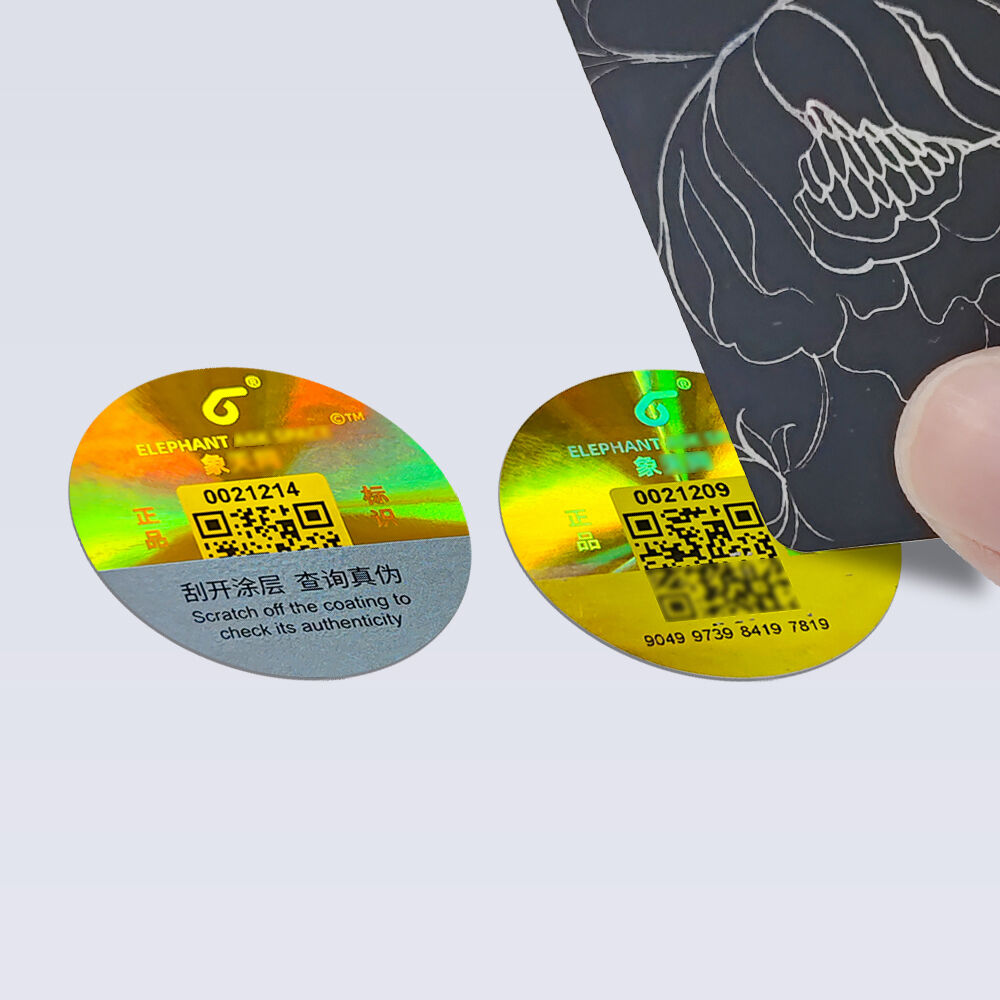
In today's rapidly evolving marketplace, brand protection has become a critical concern for manufacturers across industries. The rise of sophisticated counterfeiting operations threatens not only revenue streams but also consumer safety and brand reputation. Among the various anti-counterfeiting solutions available, 3D hologram sticker technology stands out as a premier choice for companies seeking robust product authentication. This advanced security feature combines visual appeal with cutting-edge optical engineering to create an authentication method that is both effective and difficult to replicate.
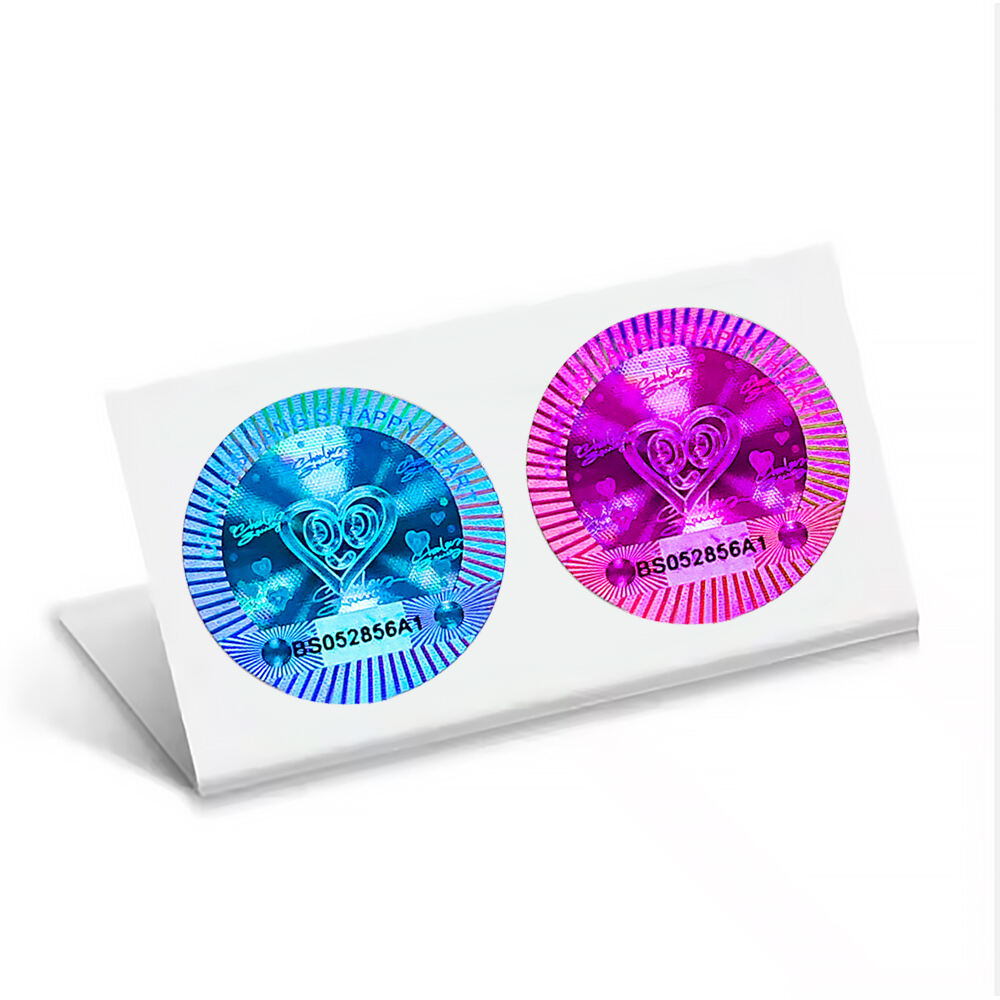
The effectiveness of holographic security labels lies in their sophisticated manufacturing process and unique optical properties. When light hits the surface of a 3D hologram sticker, it creates multiple dimensional effects that change based on viewing angle and lighting conditions. This dynamic visual response makes authentication immediate and intuitive for consumers while presenting significant challenges for counterfeiters attempting to reproduce the technology. The complexity involved in creating authentic holographic materials requires specialized equipment, technical expertise, and substantial investment that most counterfeiting operations cannot justify.
Modern businesses face unprecedented challenges in protecting their intellectual property and maintaining consumer trust. The global counterfeit market continues to expand, with estimates suggesting it costs legitimate businesses billions of dollars annually. In this environment, implementing effective anti-counterfeiting measures has transformed from a luxury consideration to an essential business strategy. The 3D hologram sticker represents one of the most reliable and cost-effective solutions available for companies serious about brand protection.
Advanced Optical Engineering Behind Holographic Security
Multi-Layer Interference Patterns
The foundation of effective 3D hologram sticker technology lies in sophisticated optical engineering that creates complex interference patterns. These patterns are generated through precise laser etching processes that manipulate light waves at microscopic levels. The resulting holographic image contains multiple layers of visual information that cannot be reproduced using conventional printing methods or basic counterfeiting techniques. Each layer contributes to the overall three-dimensional effect while serving as an independent security feature.
Manufacturing authentic holographic security labels requires specialized facilities equipped with laser interference systems capable of creating nanometer-scale patterns. The process involves recording interference patterns between coherent light beams onto photosensitive materials under controlled environmental conditions. Temperature, humidity, and vibration must be precisely controlled throughout the manufacturing process to ensure consistent quality and security features. This level of technical sophistication creates a significant barrier to entry for potential counterfeiters.
Dynamic Visual Authentication
One of the most compelling aspects of 3D hologram sticker technology is its ability to provide instant visual verification without requiring additional equipment or training. The holographic effect creates recognizable patterns that shift and change as the viewing angle changes, providing multiple verification points within a single label. Consumers can easily authenticate products by tilting the package and observing the characteristic holographic movement that indicates genuine merchandise.
The dynamic nature of holographic authentication extends beyond simple visual appeal to provide practical security benefits. Counterfeiters attempting to reproduce holographic effects often resort to printed approximations that lack the genuine optical properties of authentic holograms. These imitations typically appear flat or static under examination, making identification of counterfeit products straightforward for trained personnel and educated consumers. The 3D hologram sticker thus serves as both a deterrent and a detection mechanism in comprehensive anti-counterfeiting strategies.
Material Science and Tamper-Evident Properties
Advanced Substrate Technology
The effectiveness of 3D hologram sticker applications extends beyond visual authentication to include sophisticated tamper-evident properties built into the material itself. High-quality holographic labels incorporate specialized substrates that respond to removal attempts by fragmenting, delaminating, or otherwise indicating tampering. These physical security features complement the optical properties to create a comprehensive authentication system that addresses multiple attack vectors.
Modern holographic security materials utilize advanced polymer chemistry to achieve optimal adhesion characteristics while maintaining tamper-evident functionality. The adhesive systems are engineered to form strong bonds with target substrates while incorporating controlled failure mechanisms that activate when removal is attempted. This dual functionality ensures that authentic labels remain securely attached during normal handling while clearly indicating any unauthorized removal attempts. The result is a 3D hologram sticker that provides both authentication and evidence of tampering.
Environmental Durability and Performance
Professional-grade holographic security labels must maintain their optical and physical properties across diverse environmental conditions. Quality 3D hologram sticker products undergo extensive testing to ensure performance stability under varying temperature, humidity, and UV exposure conditions. The materials and manufacturing processes are optimized to prevent degradation of holographic effects while maintaining adhesive integrity throughout the product lifecycle.
Durability considerations extend to chemical resistance and mechanical stress tolerance. Holographic labels may encounter various solvents, cleaning agents, or physical stresses during normal product handling and storage. Advanced formulations incorporate protective layers and stabilizing additives that preserve holographic properties while providing resistance to common environmental challenges. This comprehensive approach to durability ensures that 3D hologram sticker security features remain effective throughout the product's market life.
Industry Applications and Market Leadership
Pharmaceutical and Healthcare Security
The pharmaceutical industry represents one of the most critical applications for 3D hologram sticker technology, where product authenticity directly impacts patient safety and regulatory compliance. Counterfeit medications pose serious health risks while undermining confidence in legitimate pharmaceutical products. Holographic security labels provide an immediate visual indicator of authenticity that healthcare professionals and patients can easily verify without specialized equipment or training.
Implementation of holographic authentication in pharmaceutical packaging often involves integration with existing regulatory marking requirements and track-and-trace systems. The 3D hologram sticker serves as a visible security feature that complements serialization and other digital authentication methods. This multi-layered approach creates redundant security systems that significantly increase the difficulty and cost of successful counterfeiting while providing multiple verification methods for supply chain participants.
Electronics and Consumer Goods Protection
Consumer electronics manufacturers face unique challenges in brand protection due to the high value and widespread appeal of their products. Counterfeit electronics not only result in lost sales but can also pose safety risks to users and damage brand reputation through poor performance. The application of 3D hologram sticker technology provides an elegant solution that enhances packaging aesthetics while delivering robust security features.
The integration of holographic security features into consumer electronics packaging often involves collaboration between security specialists and industrial designers to ensure that protective measures enhance rather than detract from product presentation. Modern 3D hologram sticker solutions offer extensive customization options that allow brands to incorporate unique visual elements while maintaining security effectiveness. This flexibility enables manufacturers to create distinctive authentication features that reinforce brand identity while providing protection against counterfeiting.
Technological Innovation and Future Developments
Integration with Digital Authentication
The future of anti-counterfeiting technology lies in the seamless integration of physical and digital security features. Advanced 3D hologram sticker implementations increasingly incorporate digital elements such as QR codes, NFC chips, or other machine-readable features that complement optical authentication. This hybrid approach combines the immediate visual impact of holographic effects with the comprehensive tracking capabilities of digital systems.
Digital integration enables real-time authentication verification and supply chain tracking while maintaining the accessibility and user-friendliness of visual authentication methods. Consumers can perform initial authentication using visual inspection of the 3D hologram sticker before conducting additional verification through smartphone applications or other digital tools. This layered authentication approach provides multiple independent verification methods while maintaining ease of use for end consumers.
Customization and Brand Integration
Modern holographic security solutions offer unprecedented levels of customization that allow brands to create unique authentication features tailored to their specific requirements and aesthetic preferences. Advanced manufacturing capabilities enable the incorporation of company logos, text, patterns, and other design elements directly into the holographic structure. This customization extends beyond surface printing to include three-dimensional effects that become integral parts of the security feature.
The ability to create custom 3D hologram sticker designs provides brands with distinctive security features that are inherently more difficult to counterfeit than generic holographic patterns. Custom designs also enhance brand recognition and consumer engagement by creating memorable visual experiences associated with authentic products. This combination of security effectiveness and marketing value makes customized holographic solutions particularly attractive for premium brands seeking comprehensive protection strategies.
Economic Impact and Cost Effectiveness
Return on Investment Analysis
The implementation of 3D hologram sticker security features represents a strategic investment in brand protection that delivers measurable returns through reduced counterfeiting losses and enhanced brand value. Economic analysis of holographic security implementations consistently demonstrates positive returns when the cost of security measures is compared to potential losses from counterfeiting activities. The relatively low per-unit cost of holographic labels makes them accessible to businesses of various sizes while providing enterprise-level security benefits.
Cost-effectiveness calculations must consider both direct financial impacts and indirect benefits such as enhanced consumer confidence and brand reputation protection. The presence of visible security features like 3D hologram sticker elements communicates brand commitment to quality and authenticity, potentially influencing purchasing decisions and customer loyalty. These intangible benefits often exceed the direct cost savings from reduced counterfeiting, making holographic security implementation a comprehensive business strategy rather than simply a protective measure.
Market Positioning and Competitive Advantage
Companies that implement advanced anti-counterfeiting measures often gain competitive advantages beyond simple protection from counterfeiters. The presence of sophisticated security features like 3D hologram sticker technology signals quality commitment and attention to detail that resonates with quality-conscious consumers. This positioning can justify premium pricing while building brand differentiation in crowded marketplaces.
The competitive landscape increasingly favors brands that proactively address counterfeiting concerns through visible security measures. Consumers are becoming more aware of counterfeit risks and actively seek authentication features when making purchasing decisions. Brands that implement comprehensive security strategies, including 3D hologram sticker applications, position themselves as trustworthy suppliers committed to customer protection and product authenticity.
FAQ
How difficult is it for counterfeiters to replicate 3D hologram sticker technology
Authentic 3D hologram sticker technology requires specialized laser interference equipment, controlled manufacturing environments, and significant technical expertise that creates substantial barriers for counterfeiters. The complex optical engineering involved in creating genuine holographic effects cannot be reproduced using conventional printing methods or basic counterfeiting equipment. While simple holographic patterns may be approximated, the sophisticated multi-layer interference patterns and dynamic visual effects of professional-grade holographic security labels remain extremely difficult and expensive to counterfeit effectively.
Can holographic security labels be customized for specific brand requirements
Modern 3D hologram sticker manufacturing capabilities offer extensive customization options that allow brands to incorporate unique visual elements, company logos, text, and specialized patterns directly into the holographic structure. These custom designs become integral parts of the security feature rather than surface additions, making them inherently more difficult to reproduce. Customization extends to size, shape, adhesive properties, and integration with existing packaging designs, enabling seamless incorporation into diverse product lines while maintaining distinctive security characteristics.
How do consumers verify the authenticity of products using holographic labels
Authentication using 3D hologram sticker technology is designed to be intuitive and requires no special equipment or training. Consumers can verify authenticity by observing the characteristic holographic effects that change with viewing angle and lighting conditions. Genuine holographic labels display dynamic visual movements, depth effects, and color shifts that are immediately apparent when the product is tilted or rotated. Counterfeit approximations typically appear flat or static, making identification of authentic products straightforward for educated consumers.
What industries benefit most from implementing holographic security measures
While 3D hologram sticker technology provides value across numerous industries, sectors with high-value products, safety-critical applications, or strong brand recognition typically see the greatest benefits. Pharmaceuticals, electronics, luxury goods, automotive parts, and consumer products represent primary application areas where holographic security delivers significant protection value. Industries facing substantial counterfeiting pressures or regulatory requirements for product authentication find holographic solutions particularly effective for meeting compliance obligations while providing practical brand protection benefits.
Table of Contents
- Advanced Optical Engineering Behind Holographic Security
- Material Science and Tamper-Evident Properties
- Industry Applications and Market Leadership
- Technological Innovation and Future Developments
- Economic Impact and Cost Effectiveness
-
FAQ
- How difficult is it for counterfeiters to replicate 3D hologram sticker technology
- Can holographic security labels be customized for specific brand requirements
- How do consumers verify the authenticity of products using holographic labels
- What industries benefit most from implementing holographic security measures