
 EN
EN
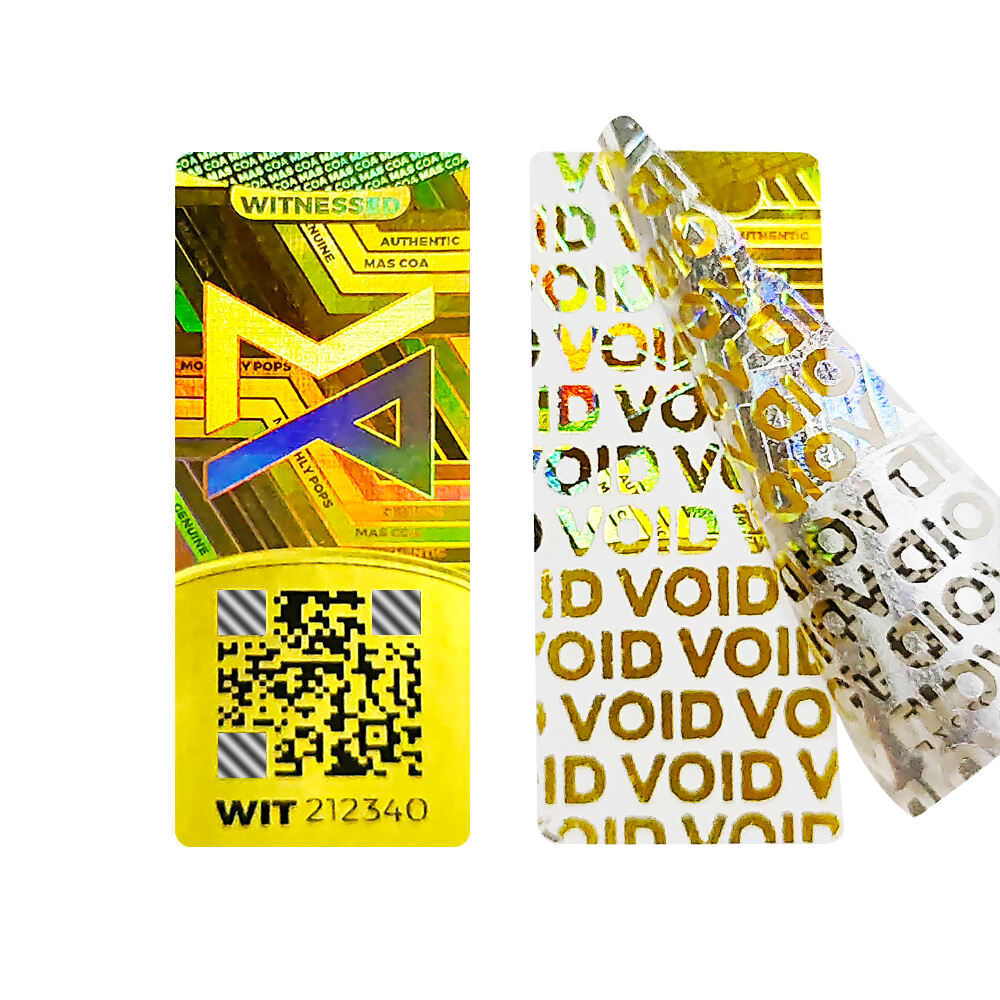
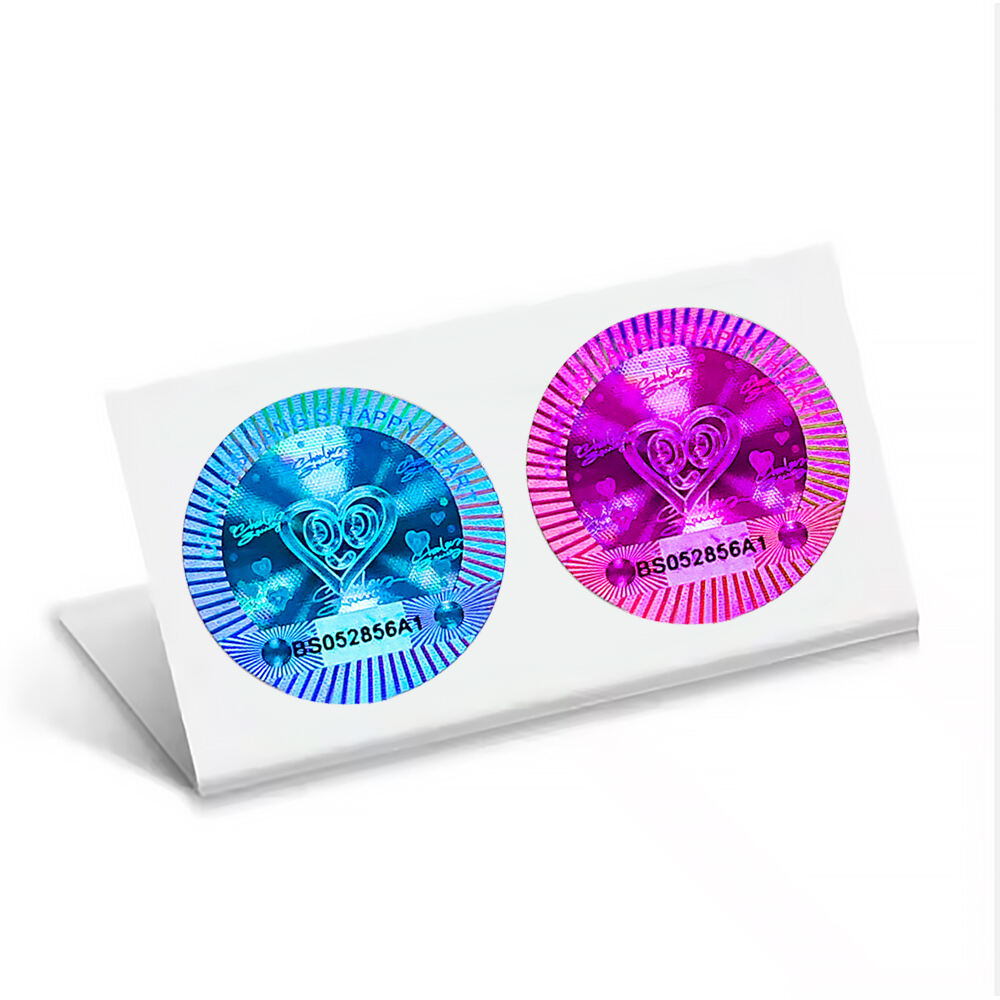
Selecting the appropriate adhesive for custom hologram stickers represents a critical decision that directly impacts the performance, durability, and security features of your anti-counterfeiting solution. The adhesive system serves as the foundation that determines whether your holographic labels will maintain their integrity across various environmental conditions and application surfaces. Understanding the relationship between adhesive chemistry and holographic material properties ensures optimal bonding performance while preserving the visual appeal and security functions of your custom hologram stickers. Professional manufacturers recognize that adhesive selection must align with specific application requirements, substrate compatibility, and long-term performance expectations to deliver reliable results.
Understanding Adhesive Chemistry for Holographic Applications
Acrylic-Based Adhesive Systems
Acrylic adhesives dominate the custom hologram stickers market due to their exceptional clarity, UV resistance, and temperature stability characteristics. These synthetic polymer systems provide excellent optical properties that complement holographic materials without interfering with light diffraction patterns or visual effects. The transparent nature of acrylic adhesives ensures that holographic rainbow effects remain vibrant and clearly visible through the adhesive layer. Professional grade acrylic formulations offer superior aging resistance, maintaining bond strength and optical clarity even after extended exposure to environmental stressors.
The chemical structure of acrylic adhesives provides inherent resistance to oxidation and thermal degradation, making them ideal for long-term applications where custom hologram stickers must maintain their security features over months or years. These adhesive systems demonstrate excellent compatibility with various holographic substrates including metallized polyester, BOPP films, and specialized security materials. Advanced acrylic formulations can be engineered to provide specific performance characteristics such as removability, permanent bonding, or tamper-evident properties depending on security requirements.
Rubber-Based Adhesive Alternatives
Natural and synthetic rubber adhesives offer unique advantages for specific custom hologram stickers applications where immediate tack and conformability take priority over long-term durability. These adhesive systems provide exceptional initial adhesion to textured or irregular surfaces, making them suitable for applications on curved containers, rough packaging materials, or challenging substrate combinations. Rubber-based adhesives demonstrate superior flexibility at low temperatures, maintaining bond integrity even when holographic labels experience thermal cycling or mechanical stress.
However, rubber adhesive systems require careful evaluation for holographic applications due to potential optical interference and limited UV stability compared to acrylic alternatives. The yellowish tint common in some rubber formulations can affect the color balance and visual impact of custom hologram stickers, particularly those featuring subtle color transitions or precise optical effects. Modern synthetic rubber compounds address many traditional limitations while preserving the beneficial characteristics of rapid bonding and surface conformability.
Substrate Compatibility and Surface Preparation
High-Energy Surface Applications
High-energy surfaces such as glass, metals, and treated plastics provide excellent bonding opportunities for custom hologram stickers when paired with appropriate adhesive systems. These substrates typically feature surface energies exceeding 38 dynes per centimeter, allowing for strong molecular attraction between the adhesive and surface. Proper surface preparation through cleaning and degreasing ensures optimal adhesive performance by removing contaminants that could compromise bond formation or long-term durability.
The selection of adhesive strength becomes crucial when applying custom hologram stickers to high-energy surfaces, as excessive bonding can make removal difficult while insufficient adhesion may compromise security features. Professional grade acrylic adhesives formulated specifically for high-energy substrates provide the ideal balance of initial tack, ultimate adhesion, and controlled removability when required. Surface treatment techniques such as corona treatment or flame treatment can further enhance adhesive compatibility with challenging high-energy substrates.
Low-Energy Surface Challenges
Low-energy surfaces including polyethylene, polypropylene, and fluoropolymers present significant challenges for custom hologram stickers due to their non-polar chemical structure and resistance to wetting. These materials typically exhibit surface energies below 32 dynes per centimeter, requiring specialized adhesive formulations or surface modification techniques to achieve reliable bonding. The challenge becomes particularly acute when holographic security labels must maintain tamper-evident properties while adhering to challenging low-energy substrates.
Specialized adhesive systems incorporating tackifying resins and surface-active agents can improve wetting and adhesion to low-energy surfaces without compromising the optical properties of custom hologram stickers. Alternatively, primer systems or surface treatments can modify the substrate chemistry to enhance adhesive compatibility. The selection process must consider the impact of these modifications on the overall security features and visual appearance of holographic materials.
Environmental Resistance Requirements
Temperature Performance Specifications
Temperature resistance represents a fundamental requirement for custom hologram stickers intended for outdoor applications, automotive uses, or industrial environments where thermal cycling occurs regularly. Adhesive systems must maintain bond integrity across the specified temperature range while preventing thermal stress from compromising holographic optical effects. High-temperature performance typically ranges from 80°C to 150°C depending on the adhesive chemistry and specific formulation parameters.
Low-temperature flexibility becomes equally important for custom hologram stickers applied to products that may experience cold storage, transportation, or outdoor winter conditions. Adhesive brittleness at sub-zero temperatures can lead to bond failure, edge lifting, or complete label detachment, compromising both aesthetic appearance and security functions. Professional adhesive selection considers the entire temperature spectrum that holographic labels will encounter throughout their service life.
Moisture and Chemical Resistance
Moisture resistance determines the long-term performance of custom hologram stickers in humid environments, outdoor applications, or contact with water-based solutions. Adhesive systems must prevent moisture penetration that could cause bond degradation, holographic material delamination, or optical clarity loss. Hydrophobic adhesive formulations provide superior moisture barrier properties while maintaining the flexibility required for dimensional stability of holographic substrates.
Chemical resistance becomes critical for custom hologram stickers exposed to cleaning solutions, industrial chemicals, or aggressive environmental conditions. The adhesive must resist chemical attack while preventing substance migration that could affect holographic optical properties or create safety concerns. Specialized chemical-resistant formulations ensure that security labels maintain their integrity and visual impact even in challenging chemical environments.
Security and Tamper-Evident Features
Destructible Adhesive Systems
Destructible adhesive systems provide enhanced security for custom hologram stickers by ensuring that removal attempts result in visible evidence of tampering. These specialized adhesives create an irreversible bond that causes the holographic material to fragment, tear, or leave adhesive residue when removal is attempted. The destruction pattern serves as clear evidence of tampering while preventing label transfer to unauthorized products or surfaces.
The development of destructible adhesive systems requires careful balance between initial repositionability during application and ultimate tamper-evidence performance. Professional manufacturers engineer these adhesives to allow brief repositioning during the application process while developing irreversible characteristics within minutes or hours of placement. Advanced destructible systems can incorporate time-sensitive chemistry that progressively increases bond strength to prevent sophisticated tampering attempts.
Void-Revealing Technologies
Void-revealing adhesive systems represent an advanced approach to tamper-evident custom hologram stickers by incorporating hidden messages or patterns that become visible when removal is attempted. These systems utilize special adhesive chemistry combined with engineered release liners to create predetermined failure patterns that spell out words like VOID, OPENED, or custom messages. The void pattern appears both on the removed label portion and the substrate surface, providing dual evidence of tampering.
The implementation of void-revealing technology in custom hologram stickers requires precise coordination between adhesive formulation, holographic material properties, and application parameters. The void pattern must remain invisible during normal use while activating reliably during tampering attempts. Professional systems can customize void messages, logos, or security patterns to meet specific brand requirements while maintaining the visual appeal of holographic effects.
Application-Specific Adhesive Selection
Pharmaceutical and Medical Applications
Pharmaceutical applications for custom hologram stickers demand adhesive systems that meet stringent regulatory requirements while providing reliable tamper-evidence and product identification features. Medical grade adhesives must demonstrate biocompatibility, extractables testing compliance, and stability under various storage conditions. These specialized formulations ensure that holographic security labels do not compromise product integrity or patient safety while delivering effective anti-counterfeiting protection.
The selection process for pharmaceutical custom hologram stickers must consider direct and indirect food contact regulations, migration testing requirements, and compatibility with sterilization processes. Adhesive systems must maintain their security features throughout the product lifecycle while meeting strict quality standards for pharmaceutical packaging applications. Advanced formulations can provide traceability features through unique adhesive fingerprints or reactive chemistry that supports authentication processes.
Electronics and Consumer Goods
Electronics applications require custom hologram stickers with adhesive systems that resist static buildup, provide EMI shielding compatibility, and maintain performance in electronic assembly environments. These specialized adhesives must not interfere with sensitive electronic components while delivering reliable security features and brand identification. The adhesive selection must consider outgassing requirements, thermal management properties, and compatibility with various electronic substrate materials.
Consumer goods applications for custom hologram stickers emphasize visual appeal, brand enhancement, and consumer interaction while maintaining security functions. Adhesive systems must provide reliable performance across diverse packaging materials, retail environments, and consumer handling conditions. The selection process balances cost considerations with performance requirements to deliver effective holographic labels that enhance brand value while providing anti-counterfeiting protection.
Testing and Quality Validation
Adhesion Strength Measurement
Adhesion strength testing provides quantitative data for evaluating the performance of custom hologram stickers across various substrates and environmental conditions. Standard test methods including peel strength, shear strength, and tack measurements establish baseline performance parameters that guide adhesive selection decisions. These tests must account for the unique properties of holographic materials and their interaction with different adhesive systems under controlled laboratory conditions.
Professional testing protocols extend beyond basic adhesion measurements to include aging studies, environmental resistance testing, and performance validation under real-world conditions. Accelerated aging tests simulate years of service life in compressed timeframes, revealing potential failure modes or performance degradation that could affect custom hologram stickers in field applications. Comprehensive testing ensures that selected adhesive systems deliver consistent performance throughout the intended service life.
Optical Properties Verification
Optical properties testing ensures that adhesive selection does not compromise the visual impact or security features of custom hologram stickers through interference with light transmission, diffraction patterns, or color accuracy. Spectrophotometric analysis measures optical clarity, haze levels, and color shift parameters that could affect holographic performance. These measurements establish baseline optical properties and monitor changes during aging or environmental exposure testing.
Advanced optical testing includes holographic efficiency measurements, viewing angle analysis, and color gamut verification to ensure that adhesive selection maintains the intended visual impact of custom hologram stickers. Professional manufacturers utilize specialized equipment to measure holographic brightness, contrast ratios, and color reproduction accuracy under various lighting conditions. This comprehensive approach ensures that adhesive selection enhances rather than compromises the effectiveness of holographic security features.
FAQ
What factors determine adhesive compatibility with holographic materials?
Adhesive compatibility with holographic materials depends on optical clarity, chemical compatibility, thermal expansion matching, and surface energy characteristics. The adhesive must not interfere with light diffraction properties while providing reliable bonding to metallized or specialized holographic substrates. Thermal expansion compatibility prevents stress-induced delamination, while appropriate surface energy matching ensures proper wetting and adhesion formation during application of custom hologram stickers.
How do environmental conditions affect adhesive selection for outdoor applications?
Outdoor environmental conditions including UV exposure, temperature cycling, moisture, and chemical exposure significantly influence adhesive selection for custom hologram stickers. UV-resistant acrylic formulations provide superior long-term stability compared to rubber-based alternatives. Temperature cycling requires adhesives with low-temperature flexibility and high-temperature stability, while moisture resistance prevents bond degradation and optical clarity loss in humid or wet conditions.
What testing methods validate adhesive performance for security applications?
Security application testing includes tamper-evidence validation, adhesion strength measurement, environmental resistance testing, and optical properties verification. Destructible adhesive systems undergo controlled removal testing to verify tamper-evidence effectiveness, while void-revealing systems require pattern consistency validation. Accelerated aging studies simulate long-term performance, and optical testing ensures that security features remain visible and effective throughout the service life of custom hologram stickers.
How does substrate surface preparation impact adhesive performance?
Proper substrate surface preparation through cleaning, degreasing, and potential surface treatment significantly improves adhesive performance for custom hologram stickers. Contamination removal eliminates barriers to molecular adhesion, while surface treatment can modify surface energy to enhance wetting and bonding. The preparation process must consider substrate sensitivity and compatibility with holographic materials to achieve optimal adhesive performance without compromising security features or visual appeal.
Table of Contents
- Understanding Adhesive Chemistry for Holographic Applications
- Substrate Compatibility and Surface Preparation
- Environmental Resistance Requirements
- Security and Tamper-Evident Features
- Application-Specific Adhesive Selection
- Testing and Quality Validation
-
FAQ
- What factors determine adhesive compatibility with holographic materials?
- How do environmental conditions affect adhesive selection for outdoor applications?
- What testing methods validate adhesive performance for security applications?
- How does substrate surface preparation impact adhesive performance?