
 EN
EN
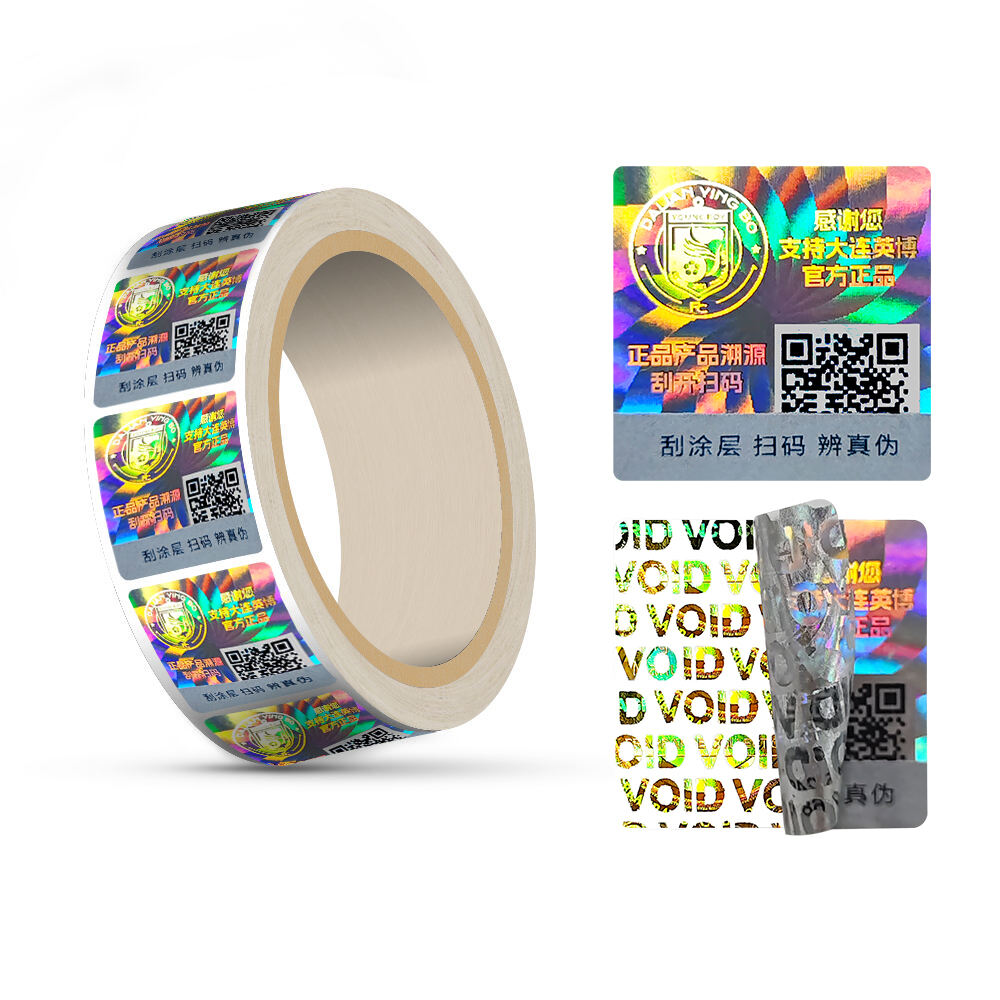
Professional 3D hologram stickers have revolutionized product authentication and brand protection across numerous industries. These advanced security solutions combine cutting-edge optical technology with tamper-evident features to create virtually impossible-to-replicate authentication tools. A 3D hologram sticker serves as both a visual deterrent and a sophisticated verification mechanism that helps businesses protect their products from counterfeiting while enhancing brand credibility. Understanding the comprehensive security features embedded within these holographic solutions is essential for companies seeking robust anti-counterfeiting protection.
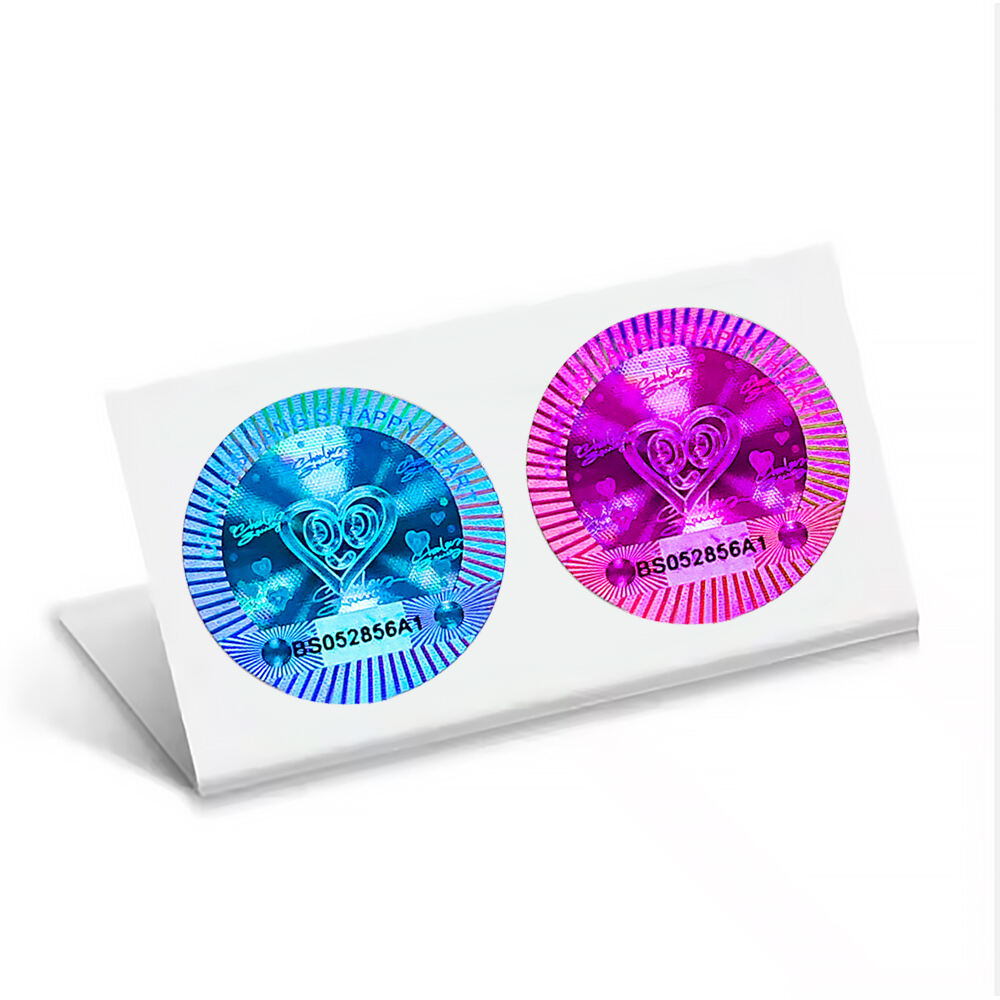
Advanced Optical Security Technologies
Microtext Integration Systems
The incorporation of microtext within a 3D hologram sticker represents one of the most sophisticated security measures available today. This technology involves embedding extremely small text elements that are virtually invisible to the naked eye but become clearly readable under magnification. The microtext can include serial numbers, company names, or specific authentication codes that serve as primary verification points. These microscopic elements are strategically positioned throughout the holographic surface, creating multiple layers of security that would-be counterfeiters find extremely difficult to reproduce accurately.
Professional manufacturers utilize advanced laser etching techniques to ensure microtext remains sharp and legible even at magnifications up to 40x. The positioning of microtext elements within the 3D hologram sticker follows specific patterns that serve as additional authentication markers. Security personnel can quickly verify authenticity by locating these predetermined microtext elements in their expected positions, providing an immediate authentication method that requires minimal training.
Rainbow Holographic Effects
Rainbow holographic technology creates dynamic visual effects that shift and change as viewing angles change, making each 3D hologram sticker appear to move and transform under different lighting conditions. This optical phenomenon results from precisely engineered interference patterns that manipulate light wavelengths to produce specific color sequences. The rainbow effect serves as both an aesthetic enhancement and a critical security feature, as reproducing these exact color transitions requires specialized equipment and expertise that counterfeiters typically lack.
The depth and intensity of rainbow effects in professional 3D hologram sticker applications are calibrated to specific industry standards, ensuring consistent performance across various lighting environments. These holographic patterns incorporate multiple layers of optical information, creating a three-dimensional appearance that appears to float above the sticker surface. The complexity of these rainbow patterns makes unauthorized reproduction extremely challenging and cost-prohibitive for potential counterfeiters.
Tamper-Evident Protection Mechanisms
Destructible Adhesive Systems
Professional 3D hologram sticker applications utilize specialized destructible adhesive formulations that render the sticker unusable once removal is attempted. These advanced adhesives are engineered to bond permanently with the substrate surface, creating microscopic interlocking mechanisms that cannot be reversed without destroying the holographic structure. The destructible nature of these adhesives serves as a primary tamper-evident feature, immediately revealing any unauthorized access attempts.
The adhesive system within a quality 3D hologram sticker incorporates temperature-resistant properties that maintain bonding strength across various environmental conditions. This ensures that the tamper-evident functionality remains effective whether products are stored in cold warehouses or transported through hot climates. The chemical composition of these adhesives is specifically formulated to interact with the holographic material, creating an inseparable bond that preserves the integrity of both security elements.
Void Pattern Revelation Technology
When tampering occurs with a professional 3D hologram sticker, specialized void patterns become visible on both the removed sticker and the underlying surface. These patterns typically display words like "VOID" or "OPENED" in high-contrast colors that cannot be concealed or reversed. The void revelation technology operates through pressure-sensitive layers that activate when the original bond is broken, creating permanent evidence of tampering attempts.
The void pattern system within advanced 3D hologram sticker designs can be customized to display company-specific messages or security codes, providing additional verification capabilities. These patterns are engineered to appear consistently across the entire sticker surface, ensuring that partial removal attempts are immediately detected. The irreversible nature of void pattern activation makes it impossible for unauthorized individuals to reseal products without leaving clear evidence of their actions.
Authentication and Verification Features
Unique Serial Number Systems
Each professional 3D hologram sticker incorporates unique serial numbering that enables individual product tracking and authentication verification. These serial numbers are integrated into the holographic design using advanced printing techniques that make them integral parts of the overall security structure. The numbering systems can be sequential, random, or follow specific coding patterns that align with company inventory management systems.
Database integration capabilities allow companies to verify 3D hologram sticker authenticity by cross-referencing serial numbers with authorized product databases. This digital verification layer adds another dimension to the physical security features, creating a comprehensive authentication system that combines visual inspection with electronic validation. The serial number placement within the holographic design ensures that numbers cannot be altered or transferred without destroying the sticker's optical properties.
Multi-Layer Authentication Protocols
Advanced 3D hologram sticker security incorporates multiple authentication layers that function independently while reinforcing overall protection effectiveness. These layers typically include visual verification elements, tactile features, and digital components that require different inspection methods. The multi-layer approach ensures that even sophisticated counterfeiting attempts will likely fail to replicate all security elements accurately.
The layered security approach in professional 3D hologram sticker applications creates redundancy that enhances overall protection reliability. Each authentication layer serves as both a primary security feature and a backup verification method, ensuring that product authenticity can be confirmed even if individual elements are compromised. This comprehensive approach makes counterfeiting extremely difficult and economically unfeasible for most unauthorized manufacturers.
Material Science and Durability
Environmental Resistance Properties
Professional 3D hologram sticker construction utilizes advanced materials engineered to withstand various environmental challenges while maintaining security functionality. These materials resist moisture, temperature fluctuations, and chemical exposure that could compromise the holographic properties or adhesive performance. UV-resistant formulations prevent color fading and optical degradation even under prolonged sunlight exposure.
The substrate materials used in quality 3D hologram sticker manufacturing undergo rigorous testing to ensure consistent performance across different storage and transportation conditions. Chemical resistance properties protect against cleaning agents, solvents, and other substances that products might encounter during their lifecycle. This durability ensures that security features remain effective throughout the entire product distribution chain.
Optical Stability Engineering
The holographic elements within professional 3D hologram sticker designs are engineered for long-term optical stability that maintains visual clarity and security effectiveness over extended periods. Advanced polymer matrices protect the holographic information from physical distortion and environmental degradation that could compromise authentication capabilities. The optical stability engineering ensures that security features remain clearly visible and verifiable throughout the product's intended lifespan.
Specialized coating technologies applied to 3D hologram sticker surfaces provide additional protection against scratching, abrasion, and general wear that could obscure security features. These protective coatings are formulated to maintain optical transparency while providing physical durability that preserves both aesthetic appeal and functional security properties. The engineering approach balances protection with visual clarity to ensure optimal performance in demanding applications.
Customization and Brand Integration
Corporate Identity Integration
Modern 3D hologram sticker solutions offer extensive customization options that seamlessly integrate corporate branding elements with advanced security features. Companies can incorporate logos, brand colors, and specific design elements into the holographic structure without compromising security effectiveness. This integration approach ensures that authentication tools align with overall brand presentation while providing robust protection capabilities.
The customization process for professional 3D hologram sticker applications involves collaborative design development that balances aesthetic requirements with security specifications. Advanced printing techniques enable the incorporation of complex graphics and text elements that become integral parts of the holographic security structure. This integration ensures that branding elements cannot be separated from security features, creating unified authentication tools that serve multiple purposes.
Industry-Specific Adaptations
Different industries require specialized 3D hologram sticker configurations that address specific security challenges and regulatory requirements. Pharmaceutical applications might emphasize tamper-evidence and tracking capabilities, while luxury goods focus on aesthetic integration and brand protection. Electronics manufacturers often require heat-resistant formulations that maintain functionality throughout manufacturing and assembly processes.
The adaptation process for industry-specific 3D hologram sticker requirements involves comprehensive analysis of application environments, security threats, and operational constraints. This analysis informs the selection of appropriate materials, adhesive systems, and holographic technologies that optimize performance for specific use cases. The result is customized security solutions that address unique industry challenges while maintaining universal authentication effectiveness.
Implementation and Application Guidelines
Proper Installation Procedures
Successful 3D hologram sticker implementation requires adherence to specific installation procedures that ensure optimal adhesion and security effectiveness. Surface preparation involves cleaning and decontamination to remove oils, dust, and other substances that could compromise bonding strength. Temperature and humidity conditions during application affect adhesive performance and should be controlled within specified ranges.
Installation pressure and timing protocols are critical factors that determine the final bonding strength and tamper-evident functionality of 3D hologram sticker applications. Proper application techniques ensure uniform adhesive distribution and eliminate air bubbles that could create weak points in the security barrier. Training programs for installation personnel help maintain consistent application quality across different production environments.
Quality Control and Inspection
Comprehensive quality control procedures verify that each 3D hologram sticker meets specified security and performance standards before product release. Visual inspection protocols check holographic clarity, color accuracy, and the presence of all required security elements. Adhesion testing confirms that bonding strength meets tamper-evident requirements without compromising removal detection capabilities.
Documentation and traceability systems track 3D hologram sticker production batches and installation records to support authentication verification and quality assurance programs. These records enable rapid identification of any security issues and facilitate targeted responses to potential counterfeiting attempts. Regular quality audits ensure that production processes maintain consistent security effectiveness over time.
FAQ
How difficult is it to counterfeit a professional 3D hologram sticker
Counterfeiting a professional 3D hologram sticker is extremely difficult and requires specialized equipment, materials, and expertise that make unauthorized reproduction economically unfeasible. The combination of multiple security layers, including microtext, rainbow holographic effects, and tamper-evident features, creates a complex authentication system that would require significant investment to replicate. Most counterfeiters lack access to the advanced laser systems, specialized adhesives, and precision manufacturing capabilities needed to produce convincing replicas.
What happens when someone tries to remove a tamper-evident 3D hologram sticker
When removal is attempted, a tamper-evident 3D hologram sticker immediately reveals evidence through multiple mechanisms including void pattern activation, adhesive destruction, and holographic structure breakdown. The destructible adhesive system causes the sticker to fragment or leave permanent residue, while void patterns display warning messages on both the removed sticker and the underlying surface. These tamper-evident features are irreversible and cannot be concealed, providing clear evidence of unauthorized access attempts.
Can 3D hologram stickers maintain their security features in harsh environments
Professional 3D hologram stickers are engineered with advanced materials that maintain security effectiveness across various environmental challenges including temperature extremes, moisture exposure, and chemical contact. UV-resistant formulations prevent optical degradation, while specialized coatings protect against physical wear and chemical exposure. The environmental resistance properties ensure that authentication capabilities remain reliable throughout product storage, transportation, and use in demanding conditions.
How can companies verify the authenticity of their 3D hologram stickers
Companies can verify 3D hologram sticker authenticity through multiple methods including visual inspection of security features, serial number database verification, and specialized authentication tools. Professional authentication involves checking for proper holographic effects, microtext clarity, and the presence of all specified security elements. Digital verification systems allow real-time authentication through serial number cross-referencing with authorized databases, providing immediate confirmation of product legitimacy.
Table of Contents
- Advanced Optical Security Technologies
- Tamper-Evident Protection Mechanisms
- Authentication and Verification Features
- Material Science and Durability
- Customization and Brand Integration
- Implementation and Application Guidelines
-
FAQ
- How difficult is it to counterfeit a professional 3D hologram sticker
- What happens when someone tries to remove a tamper-evident 3D hologram sticker
- Can 3D hologram stickers maintain their security features in harsh environments
- How can companies verify the authenticity of their 3D hologram stickers