
 EN
EN
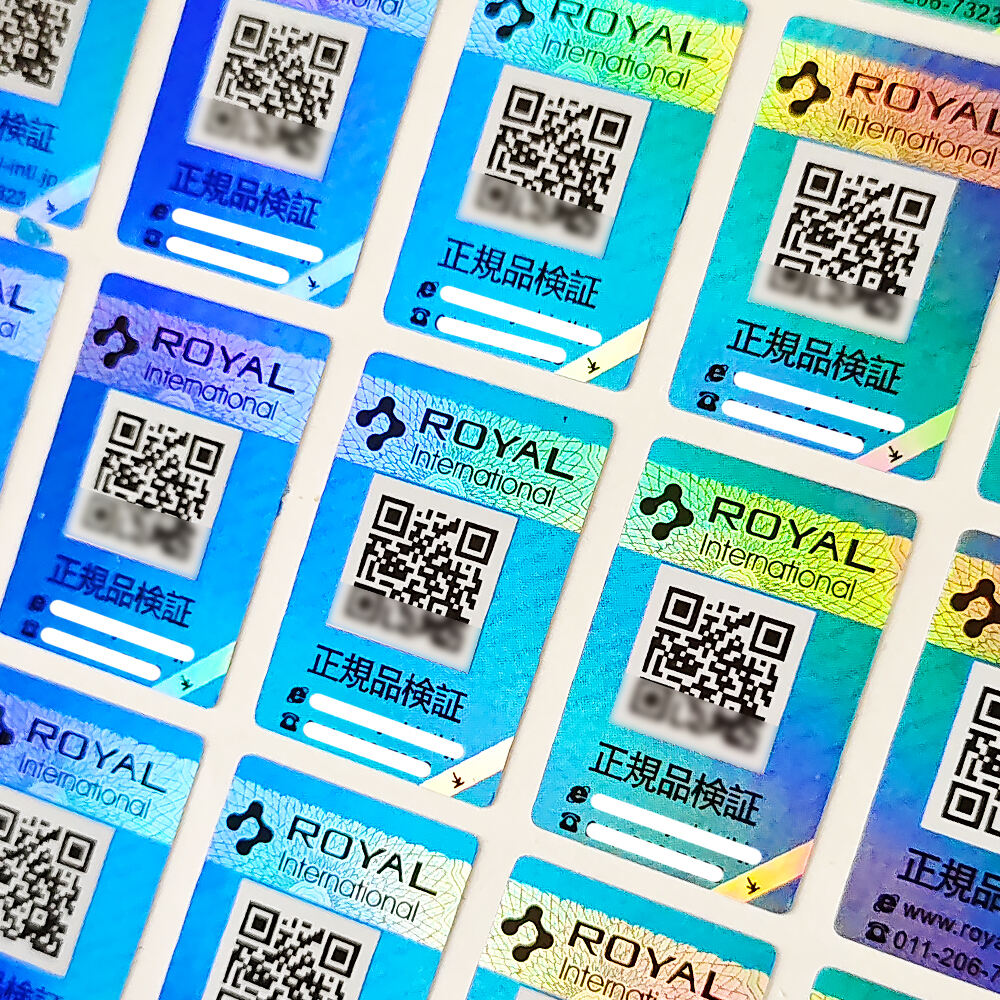
Counterfeiting has become a global epidemic that costs businesses billions of dollars annually, with fake products infiltrating virtually every industry from pharmaceuticals to luxury goods. As sophisticated counterfeiting operations continue to evolve, companies are increasingly turning to advanced security solutions to protect their brand integrity and revenue streams. Among the most effective anti-counterfeiting technologies available today, custom hologram stickers have emerged as a powerful deterrent against product forgery, offering both visible authentication features and complex security elements that are extremely difficult to replicate.
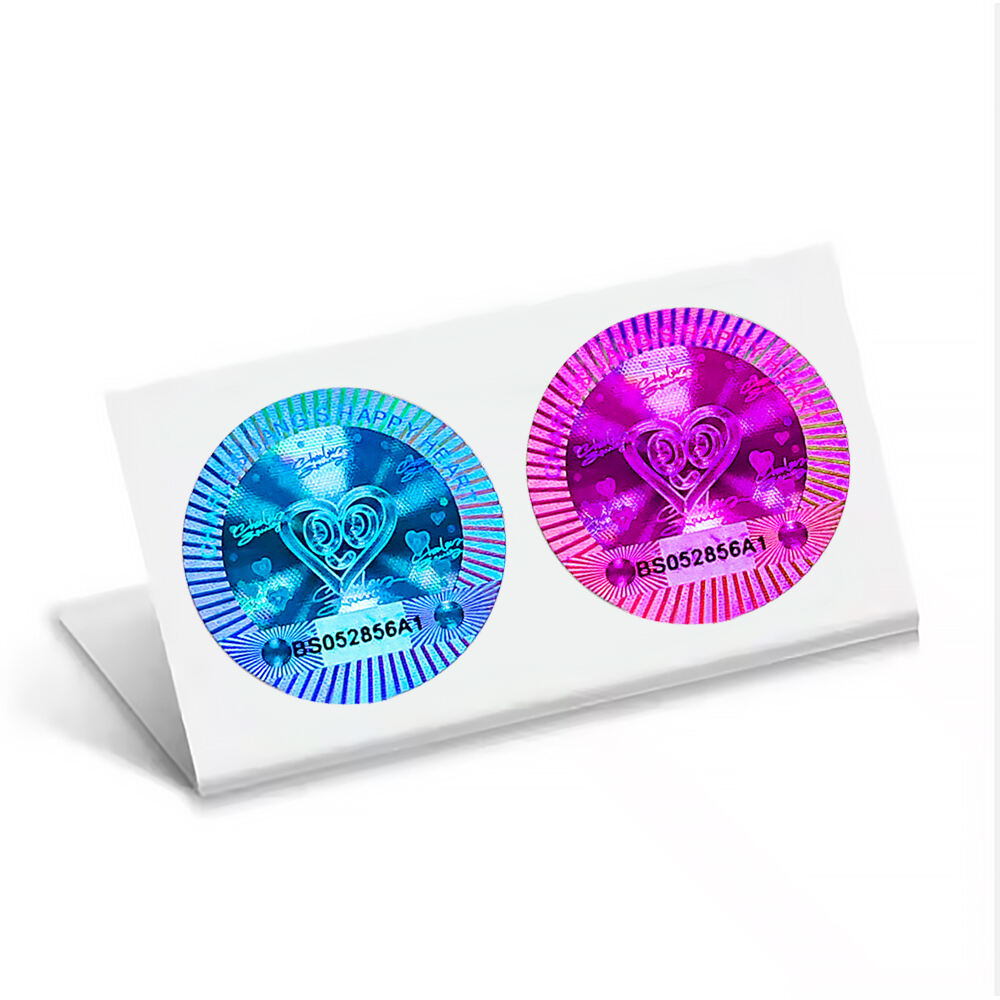
The financial impact of counterfeiting extends far beyond immediate revenue loss, affecting brand reputation, consumer trust, and market positioning. When customers unknowingly purchase counterfeit products, their negative experiences with inferior quality goods can permanently damage brand loyalty. Furthermore, the presence of fake products in the marketplace often forces legitimate manufacturers to compete on price with substandard imitations, creating a downward pressure on profit margins and overall market value.
Modern consumers have become increasingly aware of counterfeiting issues and actively seek authentication methods when making purchasing decisions, particularly for high-value items. This growing security consciousness has created market demand for visible anti-counterfeiting measures that provide immediate verification capabilities. Custom hologram stickers address this need by offering instant visual authentication that consumers can easily recognize and verify, while simultaneously serving as a powerful deterrent to counterfeiters who lack the sophisticated equipment and expertise required for hologram replication.
Understanding Holographic Security Technology
The Science Behind Holographic Authentication
Holographic technology relies on complex optical principles that create three-dimensional images through the interference patterns of laser light. The manufacturing process involves recording light patterns on specialized photosensitive materials using precision laser systems, creating microscopic structures that produce unique visual effects when viewed under different lighting conditions. These intricate optical patterns are virtually impossible to reproduce without access to the original master hologram and specialized manufacturing equipment worth millions of dollars.
The security effectiveness of custom hologram stickers stems from multiple layers of authentication features embedded within the holographic structure. Primary security elements include rainbow effects, depth perception, movement patterns, and flip images that change appearance when viewed from different angles. Secondary security features often incorporate microtext, hidden images, serial numbers, and other covert elements that require magnification or special viewing conditions to detect, providing additional verification layers for trained security personnel.
Types of Holographic Security Elements
Security holograms encompass various optical technologies designed for different authentication requirements and security levels. Two-dimensional holograms display flat images with color-shifting properties, while three-dimensional holograms create the illusion of depth and spatial relationships. Dot-matrix holograms use computer-generated patterns to produce specific visual effects and can incorporate variable data elements such as serial numbers or barcodes directly into the holographic structure.
Advanced holographic security solutions often combine multiple technologies within a single custom hologram sticker, creating layered authentication systems that are exponentially more difficult to counterfeit. These integrated approaches might include holographic elements combined with tamper-evident features, color-changing inks, RFID chips, or QR codes that link to online verification systems. The complexity and cost of replicating multiple security technologies simultaneously make counterfeiting economically unfeasible for most criminal operations.
Revenue Protection Through Authentication
Quantifying Counterfeiting Losses
The global trade in counterfeit goods represents an estimated 2.5% of world trade, valued at approximately $500 billion annually according to recent studies by international trade organizations. For individual companies, counterfeiting losses can range from 5% to 20% of total revenue depending on industry sector, product type, and market presence. Premium brands and technology products face particularly high counterfeiting risks due to their strong market demand and significant price premiums over generic alternatives.
Beyond direct revenue loss from displaced sales, companies suffer additional financial impacts including increased legal costs, brand protection expenses, customer service burdens, and potential liability issues when counterfeit products cause safety problems. The cumulative effect of these indirect costs often exceeds the immediate revenue impact, making comprehensive anti-counterfeiting strategies essential for maintaining long-term profitability and market position.
ROI of Holographic Security Implementation
Implementing custom hologram stickers as part of an anti-counterfeiting strategy typically generates positive return on investment within 12 to 24 months for most businesses experiencing significant counterfeiting issues. The cost of holographic authentication systems varies based on volume requirements, complexity levels, and integration needs, but generally represents less than 1% of product wholesale value for mass-produced items. This minimal cost investment provides substantial protection against counterfeiting losses that can exceed 10% of revenue in affected product categories.
The protective value of holographic authentication extends beyond immediate counterfeiting prevention to include brand value preservation, customer confidence maintenance, and distribution channel security. Companies that proactively implement visible security measures often experience increased consumer trust and purchasing confidence, leading to market share growth that offsets implementation costs. Additionally, the presence of custom hologram stickers can serve as a quality indicator that justifies premium pricing strategies.
Implementation Strategies and Best Practices
Design Considerations for Maximum Security
Effective holographic security design requires careful consideration of both aesthetic appeal and authentication functionality. The visual elements should complement existing brand identity while incorporating distinctive features that consumers can easily recognize and remember. Color schemes, imagery, and text elements must be carefully balanced to create attractive packaging enhancement that simultaneously serves security purposes without compromising product presentation or marketing effectiveness.
Security optimization involves incorporating multiple authentication layers within the holographic design, including overt features visible to consumers and covert elements detectable only by trained personnel or specialized equipment. The complexity level should match the counterfeiting threat level and product value, with high-value items justifying more sophisticated security features. Design elements should also consider production scalability, application methods, and integration with existing packaging workflows to ensure cost-effective implementation.
Supply Chain Integration Methods
Successful deployment of custom hologram stickers requires careful coordination throughout the supply chain to ensure proper application, handling, and verification procedures. Manufacturing partners must receive training on proper application techniques, storage requirements, and quality control procedures to maintain security integrity. Distribution partners need education on authentication features and verification methods to support customer inquiries and identify potential counterfeiting attempts.
Inventory management systems should incorporate holographic authentication tracking to monitor legitimate product distribution and identify potential diversion or counterfeiting incidents. Serial numbering systems integrated with holographic elements enable precise tracking of individual products throughout the supply chain, facilitating rapid response to counterfeiting discoveries and supporting legal enforcement actions when necessary.
Consumer Education and Market Acceptance
Building Customer Awareness
Consumer education plays a crucial role in maximizing the effectiveness of holographic authentication systems. Customers must understand how to identify genuine holographic features and recognize the signs of counterfeit security elements. Educational campaigns should focus on simple verification methods that average consumers can perform without specialized training or equipment, such as checking for proper color-shifting effects, three-dimensional depth, and clarity of embedded images or text.
Marketing communications should emphasize the security benefits of custom hologram stickers while positioning them as indicators of product authenticity and quality. Educational content can include instructional videos, infographics, and point-of-sale materials that demonstrate proper authentication techniques. Digital platforms provide excellent opportunities for interactive education, allowing customers to learn authentication methods through online tutorials and mobile applications that guide verification processes.
Market Response and Adoption Trends
Market research indicates growing consumer acceptance and preference for products featuring visible security elements, with holographic authentication ranking among the most trusted anti-counterfeiting technologies. Younger demographics, in particular, demonstrate strong positive response to holographic security features, viewing them as indicators of product legitimacy and brand trustworthiness. This demographic trend suggests increasing market demand for holographic authentication as digital natives become primary consumer segments.
Industry adoption of custom hologram stickers continues expanding across diverse sectors including pharmaceuticals, electronics, automotive parts, luxury goods, and food products. Regulatory requirements in certain industries are driving mandatory implementation of track-and-trace systems that often incorporate holographic elements. This regulatory momentum creates additional market pressure for holographic adoption and helps establish consumer familiarity with authentication procedures.
Technology Evolution and Future Developments
Advanced Holographic Innovations
Next-generation holographic technologies are incorporating digital elements that bridge physical and virtual authentication methods. Smart holograms combine traditional optical security with RFID chips, NFC capabilities, or QR codes that link to online verification databases. These hybrid approaches provide multiple authentication layers while enabling real-time tracking and dynamic security features that can be updated remotely without physical product modification.
Nanotechnology advances are enabling even more sophisticated holographic security features with enhanced durability and counterfeit resistance. Nano-optical structures create security elements that are visible under specific lighting conditions but remain hidden under normal viewing circumstances. These covert features provide additional authentication layers for professional verification while maintaining the aesthetic appeal of custom hologram stickers for consumer applications.
Integration with Digital Technologies
The convergence of holographic security with blockchain technology and cryptocurrency systems is creating new possibilities for product authentication and supply chain transparency. Digital certificates linked to holographic elements can provide immutable verification records that track product authenticity throughout its lifecycle. These integrated systems enable instant verification through smartphone applications while maintaining the visual security benefits of traditional holographic authentication.
Artificial intelligence and machine learning technologies are being integrated into holographic authentication systems to enhance verification accuracy and speed. AI-powered verification applications can analyze holographic features through smartphone cameras, providing instant authentication results while learning to identify increasingly sophisticated counterfeiting attempts. These technological integrations make custom hologram stickers more accessible to consumers while improving security effectiveness against evolving counterfeiting techniques.
FAQ
How effective are custom hologram stickers at preventing counterfeiting
Custom hologram stickers are highly effective at preventing counterfeiting when properly implemented, typically reducing counterfeit incidents by 80-95% within the first year of deployment. Their effectiveness stems from the high cost and technical complexity required for replication, making counterfeiting economically unfeasible for most criminal operations. The visible nature of holographic security also enables consumers and supply chain partners to quickly identify authentic products, creating multiple verification checkpoints that counterfeiters must overcome.
What is the typical cost of implementing holographic authentication systems
The cost of implementing custom hologram stickers varies significantly based on volume, complexity, and design requirements, typically ranging from $0.05 to $0.50 per unit for standard applications. Initial setup costs including design development, master hologram creation, and production tooling can range from $5,000 to $25,000 depending on security level and customization requirements. Most businesses achieve positive return on investment within 12-24 months through reduced counterfeiting losses and increased consumer confidence.
How can consumers verify authentic holographic security features
Consumers can verify authentic holographic security features by checking for proper color-shifting effects when tilting the product under normal lighting conditions. Genuine holograms display clear, sharp images with smooth color transitions and three-dimensional depth effects that remain consistent across different viewing angles. Additional verification methods include checking for embedded text or serial numbers, verifying proper adhesive application without bubbles or lifting edges, and using manufacturer-provided authentication guides or mobile applications when available.
Can holographic security be integrated with existing packaging systems
Yes, custom hologram stickers can be easily integrated with most existing packaging systems through various application methods including pressure-sensitive adhesive labels, heat-activated transfers, or direct printing onto packaging materials. Integration typically requires minimal modifications to existing production lines and can often be accomplished through simple applicator equipment additions. Many manufacturers offer holographic solutions specifically designed for common packaging formats and production workflows to ensure seamless implementation without significant operational disruptions.