
 EN
EN
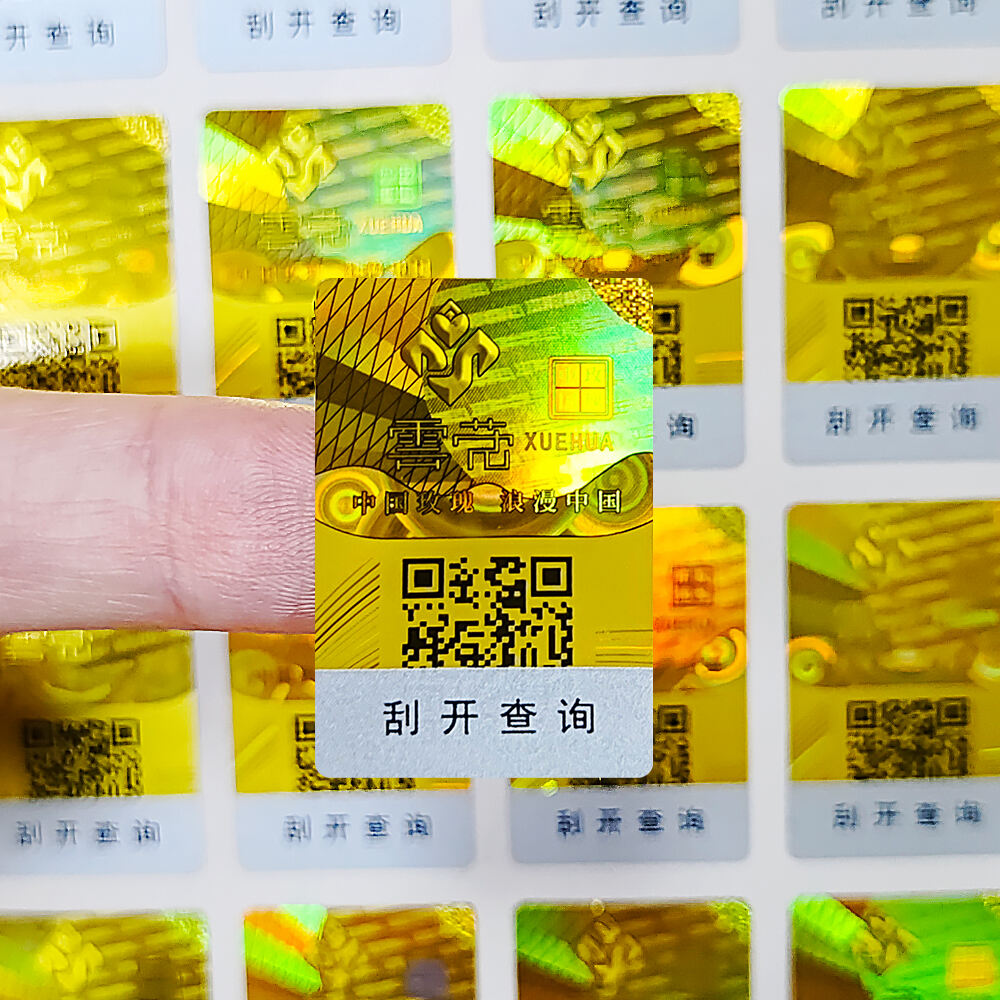
Luxury brands face an unprecedented challenge in today's global marketplace where counterfeiting has evolved into a sophisticated multi-billion dollar industry. The proliferation of fake luxury goods not only erodes brand value but also damages consumer trust and generates significant revenue losses. As counterfeiters become increasingly skilled at replicating high-end products, luxury brands must adopt advanced security measures to protect their intellectual property and maintain market integrity. Among the most effective solutions available today, the hologram sticker stands out as a powerful authentication tool that combines cutting-edge technology with visual appeal, making it nearly impossible for counterfeiters to replicate accurately.
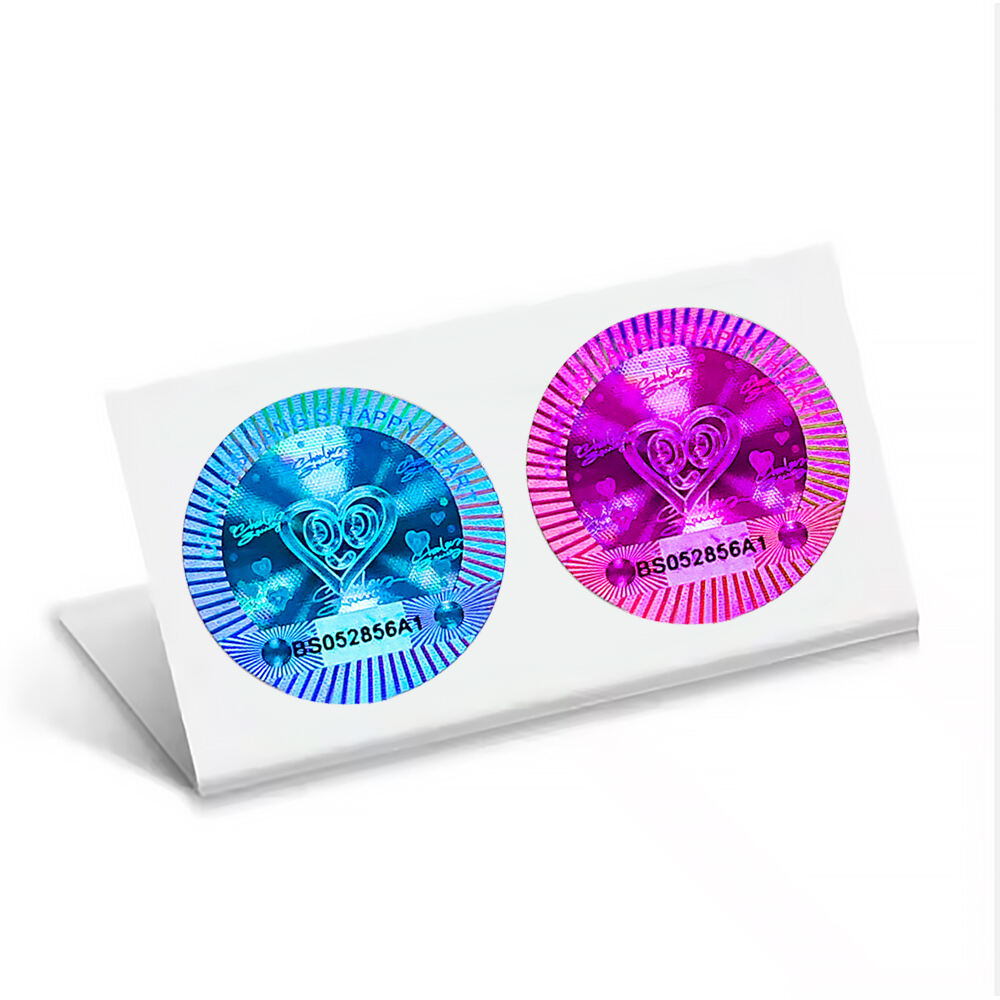
The luxury goods market continues to expand globally, with consumers increasingly willing to pay premium prices for authentic products that represent status, quality, and craftsmanship. However, this growth has attracted criminal organizations that exploit brand recognition by producing convincing replicas. Traditional security features like serial numbers, certificates of authenticity, and basic packaging elements have proven insufficient against modern counterfeiting techniques. This reality has forced luxury brands to invest in more sophisticated anti-counterfeiting technologies, with hologram stickers emerging as one of the most reliable and cost-effective solutions available.
Understanding Holographic Security Technology
The Science Behind Holographic Authentication
Holographic technology operates on the principle of light interference patterns that create three-dimensional images visible to the naked eye. When laser light hits the specially designed surface of a hologram sticker, it produces unique optical effects that are extremely difficult to reproduce using conventional printing methods. The complex mathematical algorithms and precise manufacturing processes required to create authentic holograms make them one of the most secure anti-counterfeiting technologies available today. Each hologram contains multiple layers of security features, including micro-text, hidden images, and color-shifting elements that become apparent only under specific lighting conditions.
The manufacturing process for a genuine hologram sticker involves sophisticated equipment and specialized materials that are not readily accessible to counterfeiters. Master holograms are created using high-powered lasers in controlled environments, and the replication process requires precise temperature control, specific chemical compositions, and advanced pressing techniques. This complexity ensures that even if counterfeiters attempt to copy holographic elements, the resulting products lack the clarity, depth, and security features of authentic holograms, making detection relatively straightforward for trained professionals and informed consumers.
Multi-Layer Security Features
Modern hologram stickers incorporate multiple security layers that work together to create a comprehensive authentication system. Surface-level features include rainbow effects, 3D imagery, and movement animations that are immediately visible to consumers and retailers. Deeper security elements include micro-printing, serial numbering systems, and tamper-evident properties that reveal unauthorized removal attempts. Advanced hologram stickers may also incorporate digital elements such as QR codes or NFC chips that link to online verification systems, creating a bridge between physical and digital authentication methods.
The tamper-evident characteristics of quality hologram stickers provide an additional layer of security that alerts users to potential counterfeiting attempts. When someone tries to remove or transfer an authentic hologram sticker, the adhesive and holographic film react in specific ways that make the tampering obvious. This feature is particularly valuable for luxury brands because it prevents counterfeiters from removing authentic holograms from legitimate products and applying them to fake items, a common practice in sophisticated counterfeiting operations.
Benefits for Luxury Brand Protection
Consumer Confidence and Brand Trust
The presence of a recognizable hologram sticker on luxury products immediately signals authenticity to consumers, building confidence in their purchasing decisions. Luxury shoppers are typically well-informed about counterfeiting risks and actively look for security features when making high-value purchases. A prominently displayed hologram sticker serves as a visual guarantee of authenticity that helps consumers distinguish genuine products from sophisticated fakes. This confidence translates into stronger brand loyalty and willingness to pay premium prices for authenticated products.
Brand trust extends beyond individual transactions to encompass long-term relationships between luxury companies and their customers. When consumers know they can rely on specific security features like hologram stickers to verify authenticity, they develop stronger emotional connections with brands and become advocates who recommend products to others. This word-of-mouth marketing is particularly valuable in luxury markets where personal recommendations carry significant weight in purchasing decisions. The consistent use of hologram stickers across product lines helps establish brand recognition and reinforces quality associations in consumer minds.
Revenue Protection and Market Share Defense
Counterfeiting directly impacts luxury brand revenues by diverting sales to unauthorized channels and undermining pricing strategies. Every fake product sold represents lost revenue and potentially damaged brand reputation if the counterfeit item fails to meet quality expectations. Hologram stickers help protect market share by making it significantly more difficult and expensive for counterfeiters to produce convincing replicas. The investment required to replicate holographic security features often exceeds the profit margins available in counterfeit operations, effectively deterring many potential infringers.
The economic impact of effective anti-counterfeiting measures extends beyond direct sales protection to include broader market benefits such as maintained pricing power and reduced legal costs. When luxury brands can demonstrate strong security measures like hologram stickers, they are better positioned to pursue legal action against counterfeiters and obtain favorable outcomes in intellectual property disputes. The clear evidence provided by authentic holographic features simplifies legal proceedings and reduces the time and expense associated with proving counterfeiting claims in court systems worldwide.
Implementation Strategies for Maximum Effectiveness
Strategic Placement and Design Integration
The effectiveness of a hologram sticker depends significantly on its placement and integration with overall product design. Luxury brands must carefully consider where to position holographic elements to maximize visibility while maintaining aesthetic appeal. Common placement strategies include incorporating hologram stickers into product labels, certificates of authenticity, packaging elements, or directly onto product surfaces. The key is to choose locations that are difficult for counterfeiters to access or replicate while ensuring legitimate consumers can easily verify authenticity during normal use.
Design integration requires collaboration between security experts and brand designers to create hologram stickers that complement existing visual identity while providing robust protection. Successful implementations often incorporate brand colors, logos, and design elements into the holographic pattern itself, making the security feature an integral part of the product's aesthetic appeal rather than an obvious add-on. This approach not only enhances security but also reinforces brand recognition and creates a premium appearance that luxury consumers expect and appreciate.
Supply Chain Integration and Quality Control
Implementing hologram sticker protection requires careful coordination throughout the supply chain to ensure authentic products receive proper authentication while preventing security breaches that could compromise the system's integrity. Luxury brands must establish secure distribution channels for holographic materials, implement strict quality control procedures at manufacturing facilities, and train personnel to properly apply and inspect hologram stickers. Regular audits and monitoring systems help identify potential vulnerabilities and ensure consistent application across all production locations.
Quality control measures for hologram sticker implementation should include verification procedures at multiple stages of the production process, from initial application through final packaging and distribution. Automated inspection systems can help detect improperly applied or damaged holographic elements before products reach consumers. Additionally, batch tracking systems that link specific hologram stickers to production records enable brands to quickly identify and address any security issues that may arise in the field, maintaining system integrity and consumer confidence.
Cost-Benefit Analysis and ROI Considerations
Initial Investment and Implementation Costs
The financial investment required to implement hologram sticker protection varies depending on factors such as production volume, complexity of holographic features, and integration requirements. Initial costs typically include design and development of custom holographic elements, setup of secure supply chains, modification of production processes, and training of personnel. While these upfront expenses may seem significant, they represent a small fraction of the potential losses from counterfeiting and brand damage that could occur without adequate protection measures in place.
Luxury brands should evaluate hologram sticker implementation costs in the context of their overall anti-counterfeiting budget and expected return on investment. The per-unit cost of adding a hologram sticker to products is typically minimal compared to the product's value and profit margins, especially when ordered in large quantities. Many holographic security providers offer scalable solutions that allow brands to start with basic implementations and gradually add more sophisticated features as volumes increase or security requirements evolve.
Long-Term Value and Market Impact
The long-term value of hologram sticker implementation extends far beyond immediate anti-counterfeiting benefits to include enhanced brand reputation, increased consumer confidence, and stronger market positioning. Brands that consistently demonstrate commitment to authenticity and quality through visible security measures like hologram stickers often command premium pricing and enjoy higher customer loyalty rates. These benefits compound over time, creating sustainable competitive advantages that justify initial implementation investments.
Market research consistently shows that consumers are willing to pay higher prices for products they can confidently identify as authentic, particularly in luxury categories where brand reputation and status are primary purchase drivers. The presence of recognizable security features like hologram stickers not only protects against counterfeiting but also reinforces luxury positioning and justifies premium pricing strategies. This dual benefit makes holographic authentication one of the most cost-effective brand protection investments available to luxury companies.
Technology Advancements and Future Developments
Integration with Digital Authentication
The evolution of hologram sticker technology increasingly incorporates digital elements that enhance security and provide additional verification capabilities. Modern holographic labels can include QR codes, NFC chips, or RFID tags that link to online databases containing detailed product information and authentication records. This integration creates a comprehensive verification system that combines the immediate visual impact of holographic elements with the detailed tracking and verification capabilities of digital systems.
Digital integration also enables real-time monitoring of authentication attempts and provides valuable data about counterfeiting trends and consumer behavior. Brands can track when and where authentication checks occur, identify potential counterfeiting hotspots, and adjust security measures accordingly. This data-driven approach to anti-counterfeiting helps optimize resource allocation and improve the overall effectiveness of brand protection programs while providing insights into consumer preferences and market dynamics.
Emerging Holographic Technologies
Advances in holographic manufacturing continue to improve the security and visual appeal of hologram stickers while reducing production costs and implementation complexity. New techniques such as digital holography, computer-generated holograms, and nano-structured surfaces are creating opportunities for more sophisticated and cost-effective authentication solutions. These developments promise to make holographic protection accessible to a broader range of luxury brands while maintaining the high security standards required for effective counterfeiting deterrence.
Future developments in hologram sticker technology may include self-authenticating materials that change appearance based on environmental conditions, biometric integration that links products to specific users, and blockchain connectivity that creates immutable authentication records. These innovations will further strengthen the role of holographic elements in comprehensive brand protection strategies while maintaining the visual appeal and consumer recognition that make hologram stickers effective marketing tools as well as security features.
FAQ
How difficult is it for counterfeiters to replicate hologram stickers
Replicating authentic hologram stickers requires sophisticated equipment, specialized materials, and technical expertise that are not readily available to most counterfeiters. The complex manufacturing process involves precise laser technology, controlled environmental conditions, and specific chemical formulations that represent significant barriers to unauthorized reproduction. While determined counterfeiters may attempt to create imitations, these typically lack the clarity, depth, and security features of genuine holograms, making detection possible for trained personnel and informed consumers. The high cost and technical complexity of producing quality holograms often exceed the profit margins available in counterfeiting operations, providing effective deterrence against most unauthorized reproduction attempts.
Can hologram stickers be customized to match specific brand requirements
Yes, hologram stickers can be extensively customized to incorporate specific brand elements, colors, logos, and design features while maintaining their security properties. Professional holographic manufacturers work closely with luxury brands to develop unique designs that complement existing visual identity and reinforce brand recognition. Customization options include incorporating brand-specific imagery, text, color schemes, and even three-dimensional representations of product features or company logos. This flexibility allows brands to create distinctive authentication systems that are both highly secure and visually appealing, ensuring that security measures enhance rather than detract from overall product presentation and brand image.
What is the typical lifespan and durability of hologram stickers on luxury products
High-quality hologram stickers are designed to maintain their visual properties and security features throughout the expected lifespan of luxury products, typically ranging from several years to decades depending on environmental conditions and usage patterns. The durability of holographic elements depends on factors such as adhesive quality, substrate materials, protective coatings, and exposure to light, temperature variations, and physical handling. Professional-grade hologram stickers used in luxury applications are manufactured with premium materials and protective layers that resist fading, scratching, and environmental degradation, ensuring that authentication features remain clearly visible and functional throughout the product's useful life.
How do consumers and retailers verify the authenticity of hologram stickers
Verification of hologram sticker authenticity involves examining multiple visual and tactile features that are difficult for counterfeiters to replicate accurately. Consumers and retailers should look for crisp, clear holographic images with smooth color transitions, three-dimensional depth effects, and movement patterns that change as viewing angles shift. Authentic holograms typically display sharp micro-text, precise edge definition, and consistent optical properties across the entire surface. Many luxury brands provide detailed authentication guides that describe specific features to look for in their holographic security elements. Additionally, integrated digital features such as QR codes or NFC tags can provide instant verification through smartphone apps or online databases, offering immediate confirmation of product authenticity.
Table of Contents
- Understanding Holographic Security Technology
- Benefits for Luxury Brand Protection
- Implementation Strategies for Maximum Effectiveness
- Cost-Benefit Analysis and ROI Considerations
- Technology Advancements and Future Developments
-
FAQ
- How difficult is it for counterfeiters to replicate hologram stickers
- Can hologram stickers be customized to match specific brand requirements
- What is the typical lifespan and durability of hologram stickers on luxury products
- How do consumers and retailers verify the authenticity of hologram stickers