
 EN
EN
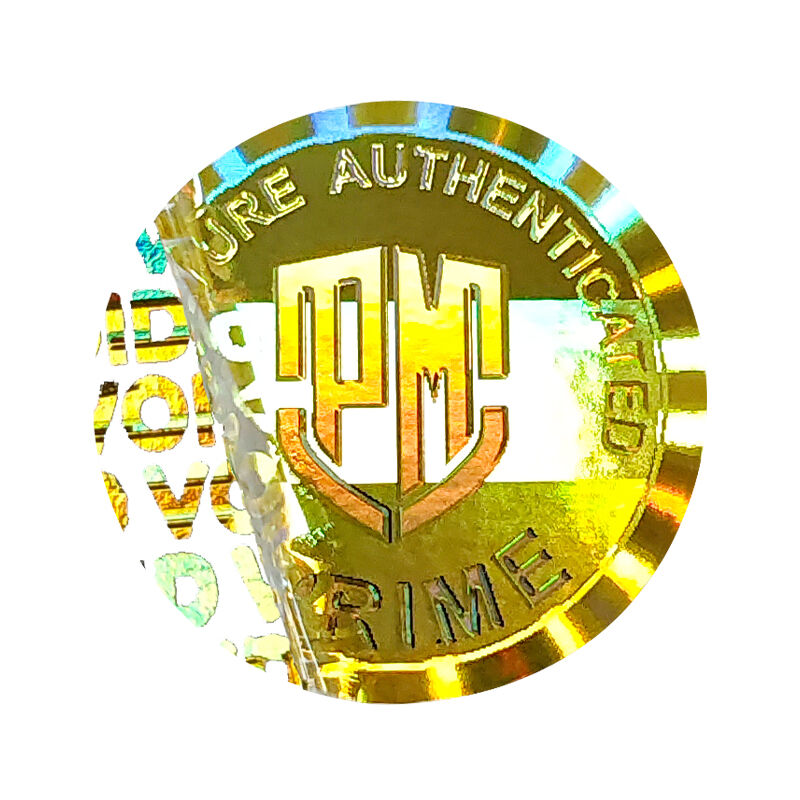
In today's competitive marketplace, product authentication and brand protection have become paramount concerns for businesses across industries. Counterfeit products not only damage brand reputation but also pose significant financial and safety risks to companies and consumers alike. As a result, manufacturers are increasingly turning to advanced security solutions that offer both visual appeal and robust anti-counterfeiting features. Among these solutions, holographic hot stamping foil has emerged as a leading choice for creating secure labels that are virtually impossible to replicate.
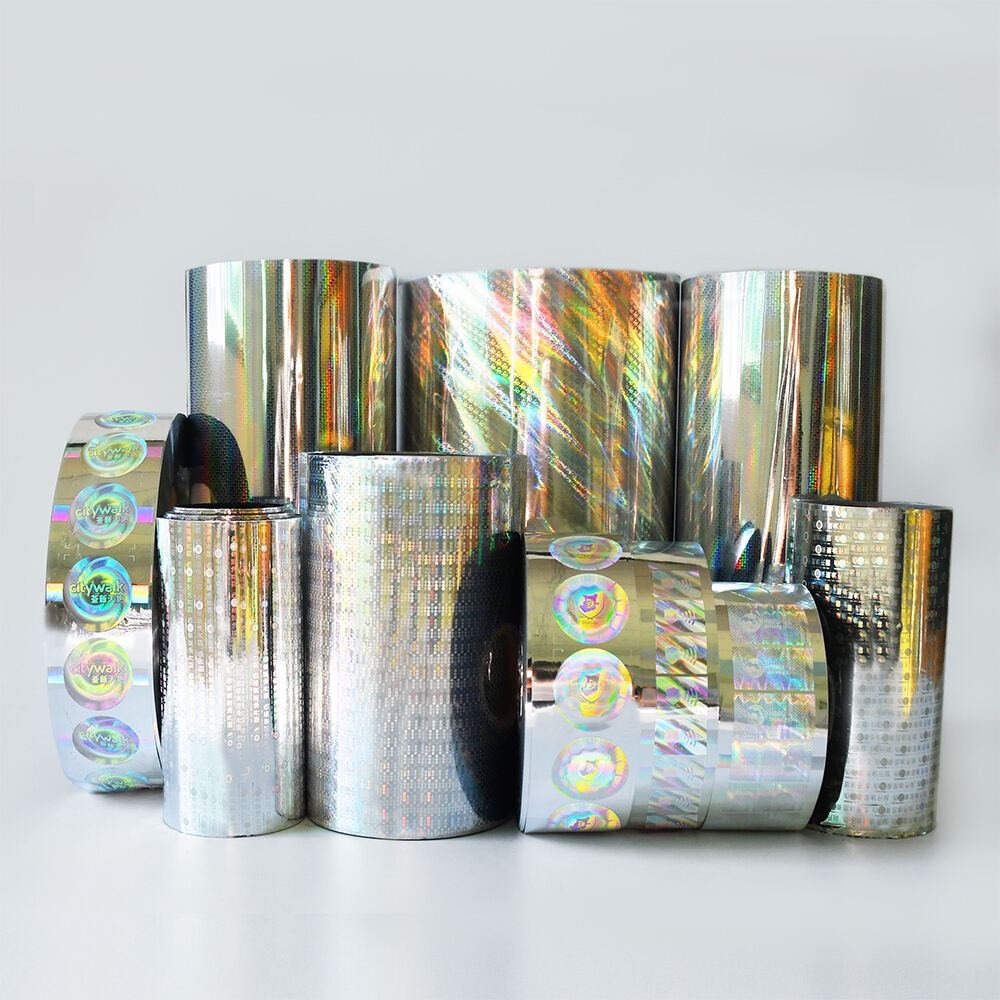
The technology behind holographic security labeling represents a sophisticated fusion of optical science and manufacturing precision. These specialized foils incorporate multiple layers of security features that work in harmony to create an authentication system that is both visually striking and technologically advanced. The growing adoption of holographic hot stamping foil across various sectors reflects its proven effectiveness in combating counterfeiting while enhancing brand presentation.
Understanding Holographic Security Technology
The Science Behind Holographic Effects
Holographic technology relies on the principles of light interference and diffraction to create three-dimensional images that appear to float above or below the surface of the material. When light hits the microscopic patterns etched into the holographic film, it splits into different wavelengths, creating the characteristic rainbow effects and dynamic visual elements that make holograms so distinctive. This optical phenomenon is achieved through precise laser recording techniques that capture interference patterns at the molecular level.
The complexity of these interference patterns makes holographic foils extremely difficult to counterfeit using conventional printing methods. Even sophisticated scanning and printing equipment cannot accurately reproduce the multi-dimensional properties of authentic holographic materials. This inherent security feature has made holographic hot stamping foil an invaluable tool for businesses seeking reliable anti-counterfeiting solutions.
Manufacturing Process and Quality Control
The production of high-quality holographic foils involves multiple stages of precision manufacturing, beginning with the creation of master holograms using specialized laser systems. These master patterns are then transferred to metal shims through electroforming processes that preserve every microscopic detail of the original holographic design. The resulting shims serve as templates for mass production while maintaining the integrity of the security features.
Quality control measures throughout the manufacturing process ensure consistent optical properties and adhesion characteristics. Advanced testing procedures verify that each batch of foil meets strict standards for brightness, clarity, and durability. This rigorous approach to quality management is essential for maintaining the security effectiveness of the finished products.
Applications Across Industries
Pharmaceutical and Healthcare Sectors
The pharmaceutical industry faces particularly severe challenges from counterfeit medications, which can pose life-threatening risks to patients. Holographic hot stamping foil provides an essential layer of protection for prescription drugs, over-the-counter medications, and medical devices. The visual authenticity indicators help healthcare professionals and patients quickly identify genuine products while deterring potential counterfeiters.
Medical device manufacturers also rely on holographic security labels to protect high-value equipment and ensure traceability throughout the supply chain. The tamper-evident properties of these foils make it immediately apparent if packaging has been compromised, which is crucial for maintaining sterility and product integrity in healthcare environments.
Luxury Goods and Consumer Electronics
Premium brands in fashion, jewelry, and consumer electronics have embraced holographic authentication as a way to protect their intellectual property and maintain exclusivity. The sophisticated appearance of holographic elements complements the aesthetic standards expected by luxury consumers while providing unmistakable proof of authenticity. This dual benefit of security and visual enhancement makes holographic foils particularly valuable for high-end products.
Consumer electronics manufacturers use holographic labels to authenticate components, warranty seals, and product packaging. The technology helps prevent gray market distribution and unauthorized repairs while supporting legitimate service networks. The durability of Holographic Hot Stamping Foil ensures that authentication features remain visible and functional throughout the product lifecycle.
Technical Advantages and Security Features
Multi-Layer Authentication Elements
Modern holographic foils incorporate multiple security layers that work together to create comprehensive protection against counterfeiting attempts. These may include microtext that is only visible under magnification, color-changing effects that respond to viewing angle, and embedded security patterns that can be verified using specialized equipment. The combination of overt and covert security features provides multiple levels of authentication for different verification scenarios.
Advanced holographic designs can incorporate serialization, barcodes, or QR codes that link to digital authentication systems. This integration of physical and digital security creates a robust verification ecosystem that is extremely difficult for counterfeiters to replicate. The ability to track individual products through their entire lifecycle adds another dimension of security and supply chain management capability.
Durability and Environmental Resistance
Professional-grade holographic hot stamping foil is engineered to withstand challenging environmental conditions while maintaining its optical properties and adhesion strength. UV resistance prevents fading and degradation when exposed to sunlight, while chemical resistance protects against common solvents and cleaning agents. These durability characteristics are essential for products that may be stored or used in harsh conditions.
Temperature stability ensures that holographic elements remain functional across a wide range of operating conditions, from frozen storage to high-temperature industrial environments. The mechanical properties of the foil substrate provide flexibility and conformability while resisting cracking, peeling, or delamination under normal handling stress.
Implementation Strategies and Best Practices
Design Considerations for Maximum Security
Effective implementation of holographic security labels requires careful consideration of design elements that maximize both security effectiveness and visual impact. The holographic pattern should be integrated with brand elements in a way that makes unauthorized reproduction extremely difficult while maintaining aesthetic appeal. Custom holographic designs that incorporate company logos, specific color schemes, or unique optical effects provide the highest level of security.
The size and placement of holographic elements must balance security requirements with practical considerations such as packaging design and manufacturing constraints. Larger holographic areas generally provide better visual impact and more space for security features, but they also increase material costs and may not be suitable for all applications. Strategic placement ensures that the holographic elements are visible to end users while being difficult to remove or transfer.
Supply Chain Integration and Quality Assurance
Successful implementation of holographic security systems requires careful integration with existing manufacturing and supply chain processes. This includes establishing secure storage and handling procedures for the foil materials, training production staff on proper application techniques, and implementing quality control measures to verify correct installation. Documentation and tracking systems help maintain chain of custody and enable rapid response to any security incidents.
Regular audits of the holographic application process help identify potential vulnerabilities and ensure consistent quality standards. These audits should cover material storage, equipment calibration, operator training, and finished product verification. Maintaining detailed records of foil usage and application parameters supports continuous improvement efforts and regulatory compliance requirements.
Economic Benefits and Return on Investment
Cost Analysis and Budget Planning
While holographic hot stamping foil represents an additional manufacturing cost, the investment typically pays for itself through reduced losses from counterfeiting and improved brand protection. The cost per unit varies depending on the complexity of the holographic design, order quantities, and specific application requirements. Volume purchases and long-term supply agreements can help optimize material costs while ensuring consistent availability.
The total cost of ownership includes not only the material cost but also equipment investment, training expenses, and ongoing operational costs. However, these expenses must be weighed against the potential losses from counterfeit products, including revenue loss, brand damage, legal costs, and regulatory penalties. Most businesses find that the security benefits far outweigh the implementation costs.
Market Differentiation and Brand Value
Beyond security benefits, holographic elements can enhance perceived product value and support premium pricing strategies. The sophisticated appearance of holographic hot stamping foil communicates quality and attention to detail, which resonates with consumers who value authenticity and craftsmanship. This marketing advantage can contribute to improved profit margins and market positioning.
The visual impact of holographic security features also supports retail marketing efforts by making products more noticeable on crowded store shelves. The eye-catching effects naturally draw consumer attention while simultaneously communicating the premium nature of the product. This dual benefit of security and marketing value makes holographic foils an attractive investment for many businesses.
Future Trends and Technological Developments
Digital Integration and Smart Authentication
The future of holographic security lies in the integration of physical holographic elements with digital authentication systems. Near-field communication technology, smartphone apps, and blockchain verification are being incorporated into holographic labels to create comprehensive authentication ecosystems. These hybrid systems combine the immediate visual verification of holograms with the detailed tracking capabilities of digital platforms.
Artificial intelligence and machine learning algorithms are being developed to automatically verify holographic authenticity using smartphone cameras or specialized scanning devices. These systems can detect subtle variations in holographic patterns that would be invisible to the human eye, providing an additional layer of security verification that is accessible to end users.
Sustainability and Environmental Considerations
Environmental sustainability is becoming an increasingly important consideration in the development of holographic materials. Manufacturers are exploring bio-based substrates and environmentally friendly adhesives that maintain security effectiveness while reducing environmental impact. Recycling programs for holographic materials are also being developed to support circular economy initiatives.
The development of water-based and solvent-free application processes reduces the environmental footprint of holographic foil manufacturing and application. These advances support corporate sustainability goals while maintaining the high-performance characteristics required for effective security applications.
FAQ
How long does holographic hot stamping foil maintain its security properties?
High-quality holographic hot stamping foil can maintain its security properties for several years when properly applied and stored under appropriate conditions. The exact lifespan depends on environmental factors such as temperature, humidity, and UV exposure. Most professional-grade foils are designed to remain effective for 3-5 years under normal storage and handling conditions, with some specialized formulations offering even longer durability.
Can holographic security labels be removed and reapplied to counterfeit products?
Properly designed holographic security labels incorporate tamper-evident features that make removal and reapplication extremely difficult or impossible. When removal is attempted, the holographic material typically fragments, delaminates, or leaves behind residue that clearly indicates tampering. Advanced designs may include destructible substrates or void-revealing adhesives that make any tampering attempt immediately obvious.
What equipment is required for applying holographic hot stamping foil?
Application of holographic hot stamping foil requires specialized hot stamping equipment that can achieve precise temperature, pressure, and timing control. The specific equipment requirements depend on the production volume, substrate materials, and complexity of the holographic design. Small-scale operations may use desktop hot stamping machines, while high-volume production typically requires industrial-grade automated systems with advanced process control capabilities.
How can businesses verify the authenticity of holographic security features?
Verification of holographic authenticity can be performed at multiple levels, from simple visual inspection to sophisticated instrumental analysis. Basic verification involves checking for proper optical effects, color changes, and pattern clarity under different lighting conditions. More advanced verification may use UV lights, magnification, or specialized authentication devices that can detect covert security features embedded within the holographic structure.
Table of Contents
- Understanding Holographic Security Technology
- Applications Across Industries
- Technical Advantages and Security Features
- Implementation Strategies and Best Practices
- Economic Benefits and Return on Investment
- Future Trends and Technological Developments
-
FAQ
- How long does holographic hot stamping foil maintain its security properties?
- Can holographic security labels be removed and reapplied to counterfeit products?
- What equipment is required for applying holographic hot stamping foil?
- How can businesses verify the authenticity of holographic security features?